
How to Identify & Improve Clay Soil: A Guide for Gardeners
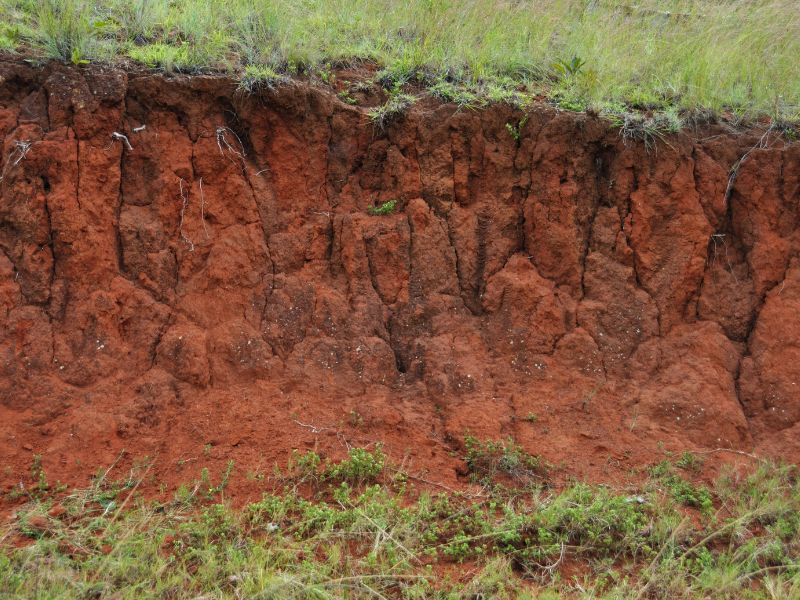
If you discover that your garden has a mostly clay type soil, don’t despair; there are ways to fix this. Adding organic matter like compost or well-rotted manure can improve pH, drainage and aeration, making it easier for roots to thrive.
Signs of Clay Soil in Your Garden
Healthy garden soil is essential for successful growing. You can check if you have clay soil with a simple soil jar test: fill a clear jar with soil and water, shake it, and let it sit for a few hours.
If you see fine particles at the bottom and muddy water on top, you likely have clay soil. In addition, you can also use the squeeze test.
How to Do a Soil Squeeze Test
The soil squeeze test checks your soil’s texture easily. Take a handful of your moist garden soil and squeeze it. If it forms a solid ball that doesn’t crumble, your soil has a lot of clay in it. If it breaks apart easily, you probably have more loamy or sandy soil.
These tests provide quick results and help you see how healthy your soil is and how well it drains. If your soil has a lot of clay, it can hold too much water, making the soil compact and harming root growth.
Checking your soil can improve your gardening skills. Simple tests like this are the first steps in learning more about your garden soil and help you make smart choices for improvement. Adding organic matter will help your plants grow better.
Properties of Clay Soil and pH Levels
If you are wondering is red clay soil acidic or alkaline, the answer may surprise you. Clay soil pH can be neutral, slightly acidic, or alkaline. Its pH level depends on the minerals in the soil. The red color of clay soil is from the mineral content of reddish iron oxide according to the Virginia Department of Conservation and Recreation.
Clay soil has high water retention but poor drainage, making it hard for plants to thrive. The clay particles pack tightly, limiting air and water flow through the soil.
For optimal plant growth, most soil experts recommend a pH level between 5 and 7.
The main characteristics of clay soil include:
- Very small particle size
- High water-holding capacity
- Poor drainage: must watch for proper draining of water
- Tends to be sticky when wet and hard when dry
- Can become compacted easily
If you enjoyed this post, you’ll enjoy these posts, too:
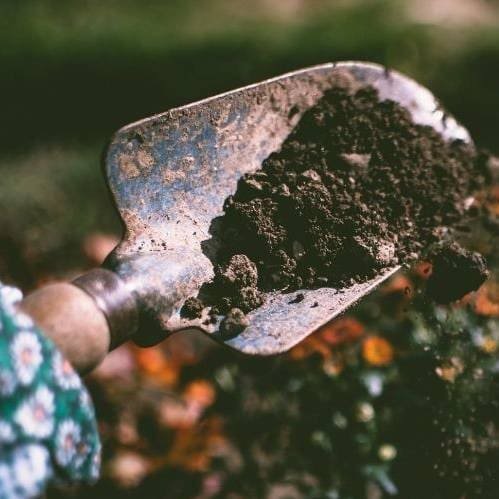

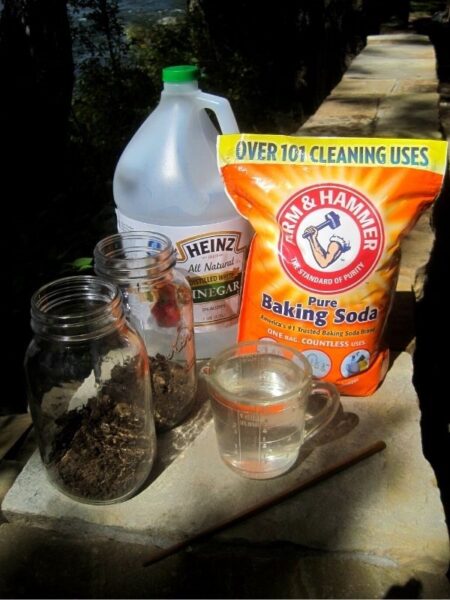
simple & Easy at-home DIY Soil ph test
Benefits and Drawbacks of Clay Soil
Clay soil can be tough for gardeners, but it also has many benefits. One key advantage is its ability to hold nutrients. Unlike sandy soil, which drains quickly and needs frequent fertilizing, clay retains important minerals and organic matter.
This creates a rich environment for plants, making it ideal for heavy feeders like tomatoes and broccoli.
On the downside, clay soil can lead to poor drainage. When it rains heavily, water can accumulate, stressing plant roots and attracting pests and diseases.
Also, the compact nature of clay makes it hard to work with, often requiring extra effort to improve and aerate. Gardeners who add organic matter and mulch can turn clay soil into a valuable resource for healthy plant growth.
We live in an area with an alkaline clay soil which is a heavy soil. It has taken patience to build a healthy garden soil. There are some simple steps to get you on your way to building a more loamy soil.

Helps Raise pH Levels in Soil
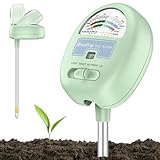

Garden Soil Test Meter


Helps Lower pH Levels in Soil
Best Vegetables for Clay Soil and Why They Thrive
Certain plants seem to thrive in a more clay type soil. These include: beans, radishes, beets, lettuces, and even pumpkins and members of the Cole family like: kale, broccoli, cabbage and cauliflower.
These plants thrive in moist conditions and since clay soil holds water well, this makes them happy. They also appreciate how clay soil gives them a strong anchor. Their roots can dig into the heavier clay soil for a solid grip!
Vegetables that DON’T Love Clay Soil
Some vegetables do not grow well in clay soil. These include potatoes, carrots, radishes, onions, and garlic. All of these are root crops.
Clay soil makes it tough for root crops to grow properly. Carrots struggle to grow long and straight in this type of soil. While they can help break up the clay, some of our carrots ended up with forked tips and strange shapes.
Top Soil Amendments to Improve Clay Soil
Here are some effective methods to apply amendments to your acidic clay soil:
- Top dressing: Spread a layer of organic matter, such as compost or well-rotted manure, over the top of the soil. This method is particularly helpful for adding nutrients and improving soil structure. Over time, the organic matter will break down and be incorporated into the soil.
- Tilling: To amend your soil more deeply, use a tiller to loosen the existing soil. Then, spread compost in the 2 top inches of soil on the tilled soil and work that in. Repeat this process two more times. Make sure to work with the soil only when it’s relatively dry to avoid further compaction.
- Liming: To apply lime effectively, conduct a soil test to determine the current pH and how much lime is needed. Based on the test results, spread the required amount of lime evenly across the soil surface. Lime application is best during fall and winter, giving it time to react with the soil before spring planting.
Remember, amending acid soil takes time and patience. Periodically check your soil’s pH and structure to determine if further amendments are necessary.
And, again, make sure to retest your soil a few months after adding soil amendments.

jobe’s organic all purpose fertilizer

burpee’s organic veggie fertilizer


espoma organic fertilizer
Key Takeaway on Your Clay Soil
- Clay soil retains nutrients, beneficial for heavy-feeding plants like tomatoes and broccoli.
- It creates a rich environment, reducing the need for frequent fertilization.
- However, clay’s density can lead to poor drainage and waterlogging.
- Waterlogged conditions stress plant roots and promote pests and diseases.
- The compact nature of clay makes it challenging to work with.
- Improving clay soil requires effort, such as adding organic matter and mulching.
The Answer to “Is Clay Soil Acidic or Alkaline?”
As you have seen, clay soil can have a variety of pH levels depending on several factors. So having clay soil in your garden isn’t a horrid problem.
By adding organic matter like compost or well-rotted manure, you can improve your soil’s quality. These additions help with pH levels, drainage, and air flow, making it better for your plants.
Gardening is a journey, and every challenge is a chance to grow. So, get ready to work and turn that clay soil into a beautiful garden!