
The 6 Best Air Cleaning Plants for Your Home

As much as we love adding greenery to our home décor for its stunning visuals, indoor plants actually perform another very important task around your houses—cleaning the air.
Air Cleaning Plants
Air-cleaning plants can help remove toxins from the air in your home and reduce fumes from furniture and materials.
Many building materials and furniture today have more chemicals than you realize. Since many people spend most of their time indoors, they breathe in these pollutants often.
To improve the air quality in your home, consider adding one or more of these 6 best air-cleaning plants to your indoor spaces.
Note: Some plants can be toxic to people and pets. I have included safe alternatives for those that are toxic.
Always research the best plants for your home to ensure safety.
If You Need Plants to Get Started with Right Away, Look at These:
The Top 6 Indoor Plants That Clean the Air
Our list consists of air-purifying plants that are not just effective detoxifiers but also super easy to care for, so you get all the benefits without much hassle.
1. Spider Plants
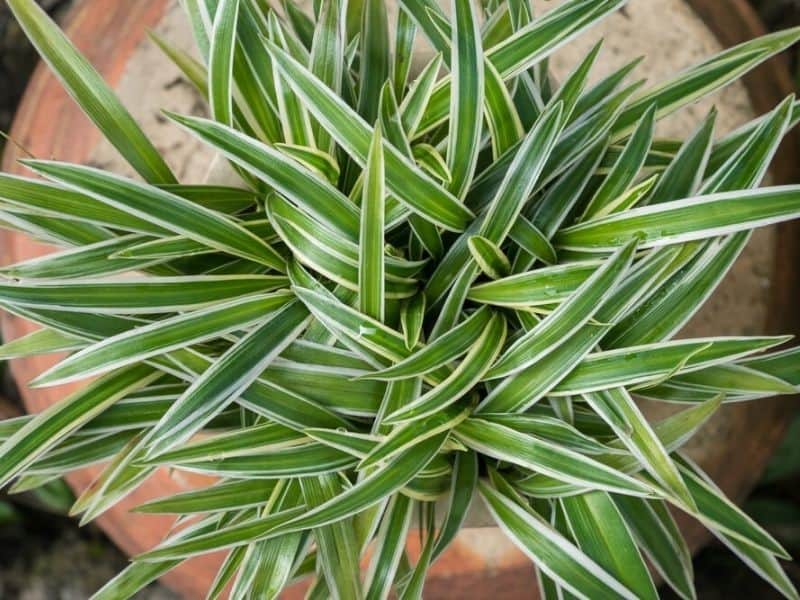
Easy to grow Spider plants, also known as Chlorophytum comosum, are true givers! These resilient plants are the perfect choice for gardening newbies, as they can live with even the most neglectful owners.
They are also quick to grow and look stunning in hanging baskets or in clay pots and containers.
These plants are very efficient in removing formaldehyde and xylene from the air. According to one study, they can remove as much as 95% of formaldehyde in an enclosed setting within just 24 hours.
Spider plants also produce spiderettes, or baby shoots, that eventually grow into new plants that you can transplant into other containers or baskets.
All they require for optimal growth is a well-draining container and light watering 2-3 times a week.
The plants are non-toxic to animals and children, so they are ideal to keep if you have pets or young children living in your house.
Safe Household Plant:
Spider plants are listed as safe for children and pets.
If you have chickens, take note that they love to eat spider plants! The leaves and “pups,” spider plant babies, make for nice fresh greens, especially in the winter.
Get Started:
2. The Snake Plant

The snake plant (Sansevieria trifasciata), otherwise known as mother-in-law’s tongue, is another hardy houseplant that can purify the air inside your homes.
This succulent can grow up to two meters high and have the ability to make a statement wherever you place them.
The long green leaves with yellow borders look refreshing and can quickly brighten up your indoor spaces.
These plants are drought tolerant and can survive the toughest of conditions, so they’re great for beginners or laid-back home gardeners.
They prefer dry conditions, so care has to be taken as to not overwater them.
You can place them under bright filtered light.
The snake plants can absorb a number of air pollutants such as formaldehyde, benzene, xylene, toluene, and trichloroethylene.
Get Started:
Warning:
Mother in Law’s Tongue is one to be very cautious with young children and pets as it is toxic if ingested. A safe alternative is a cast iron plant.
Related Articles:
- Toxic Plants for Children and Pets
- ASPCA List on Safe and Unsafe Plants for Pets
- University of Connecticut List of Safe and Poisonous Plants
- National Poison Control Website or 1-800-222-1222
- ASPCA Animal Poison Control
You May Enjoy: Indoor Flowering Plants for Winter
3. The Devil’s Ivy

This ivy plant has many names, including pothos, golden pothos, money plant, devil’s ivy, and Epipremnum aureum.
It is a simple indoor plant that grows well in different conditions, making it perfect for beginners.
The plant can reach up to 8 feet long, creating beautiful trails that look great in hanging baskets.
You can also grow it in pots, train it to climb a trellis, or let it spread out on a table or countertop. It is lush, durable, and affordable.
Besides its good looks, this plant is one of the best indoor air purifiers. It helps remove common household toxins like toluene, xylene, formaldehyde, carbon monoxide, and trichloroethylene.
Get Started:
Warning:
Devil’s Ivy is great as an air cleaning plant but needs to be used with caution in homes with young children and pets as it is toxic if ingested. A safe alternative is a Swedish ivy (Plectranthus verticillatus) .
If for some reason you cannot have plants, then this is a must:
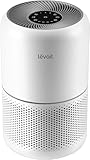
LeVolt Air Purifier

4. Red Edged Dracaena

The red-edged dracaena, or Madagascar dragon tree (Dracaena marginata), is a popular houseplant that comes in various sizes, shapes, and colors. This plant is great for cleaning indoor air.
It has sharp, narrow, dark green leaves with red or purple edges, making it a beautiful addition to your home or office. It can grow 8-12 feet tall and spread about 3 feet, perfect for filling large spaces.
These plants prefer indirect sunlight and need light watering. Water them lightly once a week in summer. Make sure the soil doesn’t stay wet for too long to avoid root rot.
This slow-growing plant removes pollutants like xylene, trichloroethylene, benzene, and formaldehyde from the air.
Get Started:
5. Aloe Vera

Aloe vera, or Aloe barbadensis, is famous for its healing properties and its ability to purify the air.
This easy-to-grow succulent loves sunlight and needs little water. It’s a good idea to keep it by a sunny kitchen window. Aloe Vera plants not only cleans the kitchen air but the aloe vera gel also helps soothe burns and cuts.
You can also put them in larger pots in bright rooms. Just don’t overwater, as this can harm the roots.
Aloe vera is great at removing toxins like formaldehyde and benzene, which are often in paints, varnishes, and household cleaners.
get Started:
6. The English Ivy is wonderful Air Cleaning Plant

The English ivy, or Hedera helix, is an evergreen climbing plant that grows well in indoor conditions. When it comes to air purification, it does the job extremely well.
You can grow it in containers in your rooms or baskets around your window sills, but it prefers to be crowded, so you should keep a collection of 3 or more.
A good amount of direct sunlight every day and generous watering will help the plant thrive.
So with the proper care, your plants will return the love to you in the form of purified air.
It’s effective in removing benzene, carbon monoxide, trichloroethylene, and formaldehyde. But that’s not all. It’s particularly effective in reducing airborne fecal matter and even mold.
This makes it the perfect choice for placing near your bathroom windows.
Get Started:
Warning:
English Ivy is great as an air cleaning plant but needs to be used with caution in homes with young children and pets as it is toxic if ingested. A safe alternative is a Swedish ivy (Plectranthus verticillatus) .
It’s a Wrap……Cleaner Air from Simple House Plants
Here’s our list of the best plants that clean the air.
Also, think about using homemade essential oil air fresheners in your cleaning routine for a chemical-free home.
Which of these plants will you choose for your home?
Or, Look at this Set of 4 Air Cleaning Plants:


Please Share this Information with Family & Friends!
Pin It!

Recap: Importance of educating yourself on the Toxicity of Plants
- Toxic Plants for Children and Pets
- ASPCA List on Safe and Unsafe Plants for Pets
- University of Connecticut List of Safe and Poisonous Plants
- National Poison Control Website or 1-800-222-1222
Disclaimer: this article is for information only. The reader must take the responsibility of educating themselves on the toxic nature of all plants. Original Homesteading cannot dictate nor be responsible for what private individuals do with regard to the choice of plants they have in their homes.


There is a list of diverse plants we have to be very careful with. Could you please share the list, if possible?
Yes, you are correct! There are many plants that can prove to be dangerous. Please take a look at this article that covers 12 common household plants that are toxic if ingested. Also, find information on 30 common household plants from the Farmer’s Almanac that are toxic to pets. Make sure to also see this list compiled for pets entitled ASPCA Toxic and Non Toxic Plants for Pets. Thank you for pointing this out.