
How Often Do Chickens Really Lay Eggs?

We have always loved having fresh eggs for our family and selling the extras. Raising chickens for eggs is a rewarding and sustainable way to enjoy fresh eggs daily.
When keeping chickens, it’s important to know how often a chicken can lay an egg. Understanding what to expect from your flock, including the frequency and quantity of eggs, helps you plan better.
Several factors affect how often chickens lay eggs. These include the breed of chicken, the age of your flock, the type of feed, and their overall health. Most chickens start laying eggs at about 18 to 20 weeks old, but some breeds may take longer to begin.
We Know that Chickens Lay Eggs: but how often….
At their best, egg-laying chickens can produce one egg each day. It takes about 24 to 26 hours to create and lay an egg. So, how does a chicken lay an egg – find out from the experts!
A hen lays eggs most regularly in her first 2 to 3 years. After that, her egg production may slowly decline.
Key Points:
- Chickens usually begin laying eggs when they are about 18 to 20 weeks old.
- Healthy hens can lay up to one egg each day at their best.
- A chicken’s egg-laying frequency depends on its breed, age, and health.
How Often Should a Chicken Lay an Egg
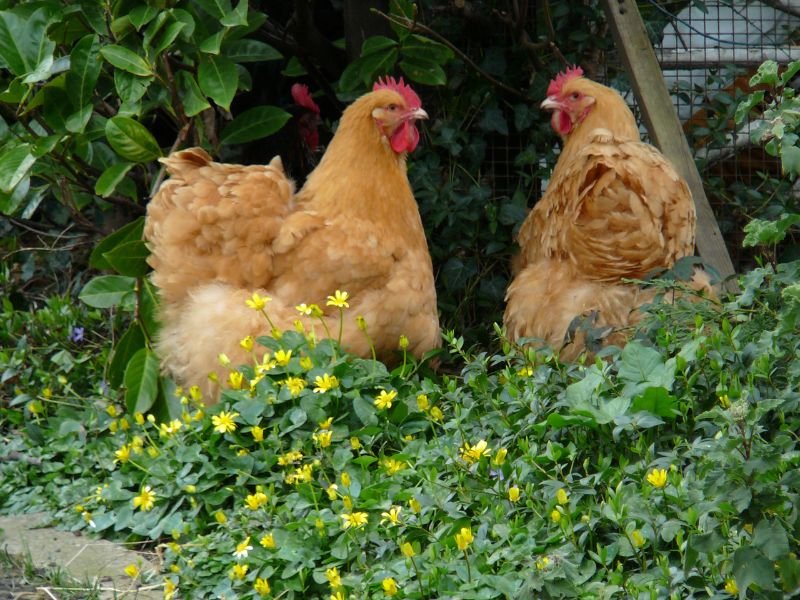
Different breeds of chickens lay eggs at different rates. But generally speaking, a healthy chicken can lay one egg per day at their best. So, to answer both questions, how often can a chicken lay an egg and how often will a chicken lay an egg really depends on several things.
The laying rate varies based on breed, age, health, season, and diet. Coop safety is also crucial; dangerous coops can stress the chickens. We have found having a secure coop to be paramount to flock safety.
Wild animals like skunks, raccoons, and hawks can scare a flock of laying hens. For example, a young red-tailed hawk killed two of our chickens and kept returning for more. To protect our flock, we placed wire panels over our yard. This helped, but the hawk’s presence caused stress for several days.
So, the answer to how often does a chicken lay an egg is that most breeds lay about 4 to 6 eggs a week. Breeds like Rhode Island Reds and ISA Browns lay more often, while others like the Sultan chicken may only lay one egg per week.
To promote consistent egg-laying, provide a comfortable and stress-free living space with proper nesting boxes, clean water, and a balanced diet.
Adding extra light during winter can boost egg production, but opinions vary among chicken owners about this approach.
In summary, while chickens can lay up to one egg a day, many factors influence this. To maintain a steady supply of eggs, create a suitable environment and cater to your chickens’ needs.
The Main Factors Behind Egg Production
Chicken Breeds and Age
Some chicken breeds, like Rhode Island Reds and Leghorns, lay a lot of eggs, producing five to six eggs a week. Other breeds, like Sussex or heritage types, may lay fewer eggs.
The age of the hens also impacts how many eggs they lay. Chickens usually start laying eggs between 18 and 22 weeks old and reach their highest production about 8 weeks into their egg-laying life. However, after 12 months of laying, their egg production may decrease.
Good Feed = Good Quality Birds & Eggs
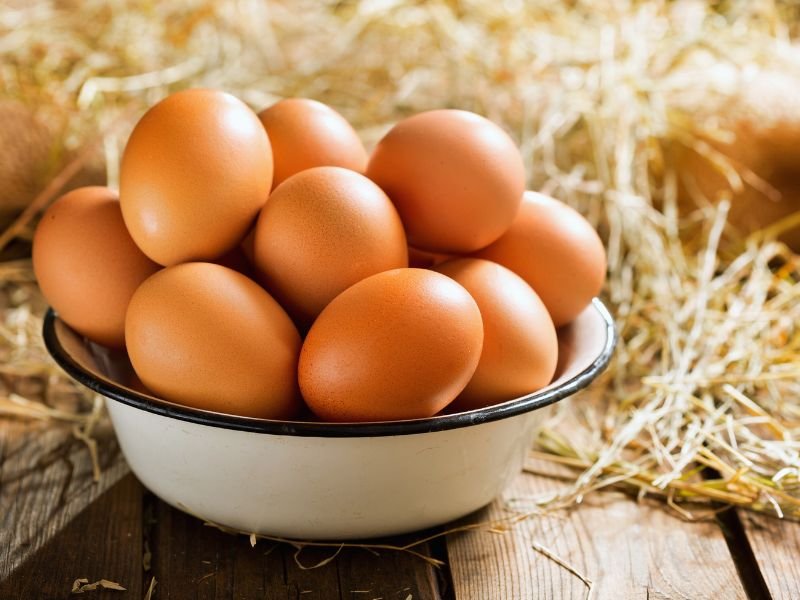
The question of how often can a chicken lay an egg depends on several factors. Like the old adage of “You are what you eat!” applies to your chickens, too. The quality and quantity of your fresh eggs depend on what your hens eat.
Hens require a balanced diet with enough protein, calcium, and essential nutrients. Without proper nutrition, they may lay fewer eggs, and the eggshells can become weak.
Give your chickens a diet designed for egg-laying. Watch for any signs of illness in your flock, as this can affect their egg production.
Environmental Factors Affect Your Flock
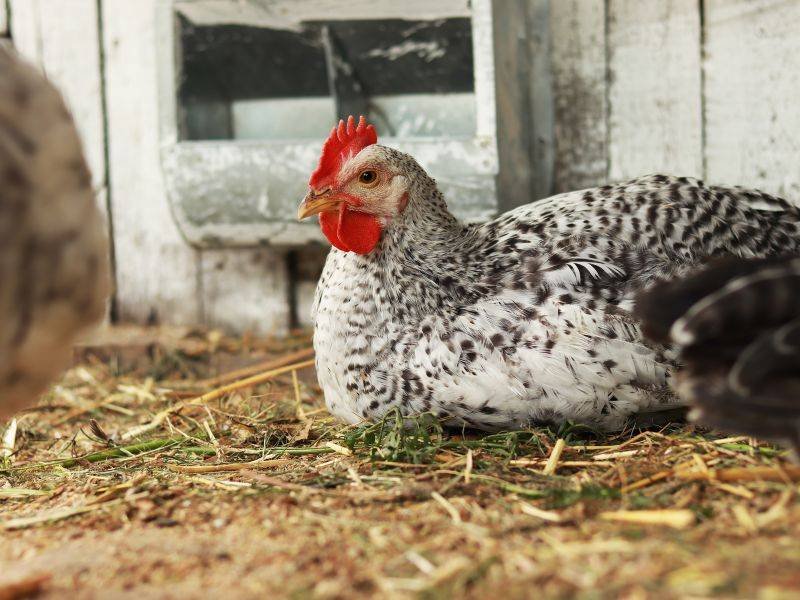
Hens’ egg-laying ability can be affected by their environment, especially sunlight. Hens need at least 12 hours of daylight to lay eggs consistently.
In winter or during months with less daylight, you might need to add artificial light in the coop. Using a timer can help maintain a regular light schedule.
Weather, temperature, and housing also impact egg production. Extreme heat or cold can stress chickens and lead to fewer eggs.
To keep your chickens safe and comfortable, provide a secure coop with good ventilation and keep pests out. Happy and comfortable chickens are more likely to lay eggs! ☺
Chicken Breeds and Egg Laying
High Production Breeds
You might be interested in breeds like the Leghorn, which lays about 4-6 medium white eggs per week. The white Leghorn, known for its floppy comb, is quite popular.
The Rhode Island Red is another high-production breed you should consider. They lay a lot of brown eggs every week.
Heritage and Dual-Purpose Breeds
Heritage breeds such as the Plymouth Rock and Wyandotte are excellent dual-purpose chickens. They’re not only good egg layers but also work as table birds. These breeds lay eggs less often than high-production hens, but they are good for both laying eggs and producing meat.
Wyandottes are friendly birds that can adapt to different climates. They are about dual-purpose breeds that lay approximately 4 eggs per week.
Plymouth RockPlymouth Rocks are a type of chicken that comes from the United States. They are such a classic bird with their distinctive black and white stripes. Plymouth Rocks are a fine egg-laying breed, so you will have a good supply of fresh eggs each week.
Distinctive Chicken Breeds
If you’re interested in unique egg-laying chicken breeds, consider the Araucanas and the Silkies. If you’re interested in unique egg-laying chicken breeds, consider the Araucanas and the Silkies.
Silkies are a unique breed with fluffy, hair-like feathers and black skin, making them stand out in a group. They are one of a few amazing black-feathered chicken breeds.
Then, there is another breed called Easter Eggers, and rightly so, as they lay colored eggs from blues and greens to pink and creamy tan to light brown. They are not a pure breed, but they are good at finding food and can make your egg collection more enjoyable.
Although they are not high-producing layers, Silkies can provide you with a couple of small, cream-colored eggs each week. Many people love Silkies for their calm and friendly disposition as well as their awesome appearance. ♥
Finding the best breed for your needs will help ensure a steady supply of fresh eggs every day, whether in your backyard farm, on your homestead, or on your ranch.
Helpful Information: Frequently Asked Questions
How many eggs do hens lay per week?
On average, most chickens lay about 4 to 6 eggs per week. However, this number can vary greatly based on factors such as breed, age, health, and season.
What affects the frequency of egg-laying in chickens?
A hen’s egg-laying frequency depends on factors like feed quality, environment, and stress levels. Make sure your chickens receive a balanced diet, safe and comfortable living conditions, and minimal stress will typically help them keep consistent egg production.
Do different breeds of chickens have different laying patterns?
Yes, different breeds have varying laying patterns. Some are naturally more prolific layers, like the Rhode Island Red, which can lay 5-6 eggs per week.
Make sure to research each breed to understand their specific laying habits and choose the best match for your needs.
What is the average lifespan of a laying hen?
The average lifespan of a laying hen is approximately 4 to 8 years. However, their egg production will generally slowdown as they age, with the highest laying period occurring during the first few years of life.
How long will a chicken lay eggs?
Hens usually start laying eggs between 5 and 7 months old. The exact age depends on factors like breed and individual health. Egg production gradually declines as the hen ages, but there is no specific age at which they completely stop laying eggs.
Do hens need a rooster to lay eggs?
No, hens do not need a rooster to lay eggs. They will naturally produce unfertilized eggs without the presence of a male chicken. However, if you want fertilized eggs that will hatch into chicks, then you will need a rooster.
Final Thoughts
When raising chickens, it’s important to know how often they lay eggs. Hens lay eggs based on their breed, age, and the season.
Heritage chickens are purebred and have unique traits, but they may not lay as many eggs. Choose a breed that fits your needs, whether you want many eggs or specific genetics.
As you enjoy raising chickens, remember their manure is valuable. Chicken manure is rich in nutrients and can help your garden. Use it as fertilizer to make your plants thrive. Chickens and gardening seem to just go together!

Finding the right balance between egg production and meeting your needs can make raising chickens more enjoyable in your backyard farming journey.