How To Grow Peppers in Your Garden & Containers
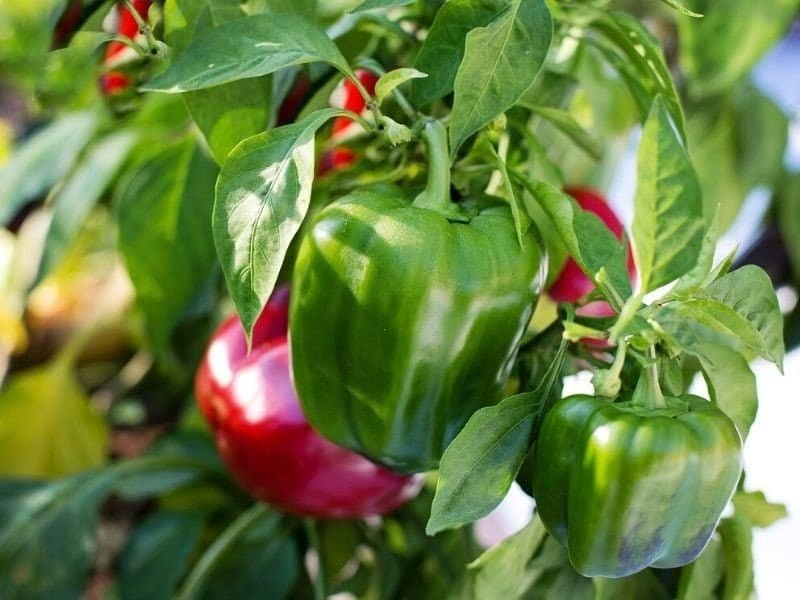
Bell peppers, hot peppers, chili peppers, or ornamental peppers can be grown in-ground or in containers very easily in the home garden. Learn more about how to grow peppers in your garden!
If pepper plants are planted in the right location, they are maintenance-free, and you can forget about them until harvest time.
So, let’s take a quick look at proper soil preparation and how to plant the seeds (or plants) and then get ready to enjoy some fresh peppers in a few weeks.
How to Grow Peppers
Planting Location
Select a full-sun location for pepper plants. All varieties of peppers love hot weather and direct sun exposure. Pepper plants are extremely frost sensitive, so the plants will need to be protected from all frost and cold temperatures.
If your pepper plants are in the garden and there is a threat of frost, make sure to cover them up at night! Consider using Wall O’Waters plant protectors when setting out sensitive plants in the ground at an earlier date.
Find Your Zone: FREE USDA Hardiness Zone Planting Guide
Soil Preparation
Pepper plants need moisture but can’t handle soggy soil. Mix 2-4 inches of compost into the soil to add nutrients and improve drainage. Work the soil 12 inches deep or use a 12-inch-deep container.
You can plant pepper seeds directly in the soil after the last frost in spring. Wait until the soil and air temperatures are above 65 degrees, as peppers need warmth to grow.
Place a few seeds on the prepared soil about 16 to 18 inches apart. Lightly cover them with 1/4 inch of soil, tap the surface to settle them, and water gently with a fine watering can. You will thin out the seedlings later, keeping only the strongest ones.
Start your pepper seeds indoors to help them grow faster. Plant the seeds 6 to 8 weeks before the last frost in your area. Put 2 seeds in each small pot or planting cell. Keep your soil or small pots damp and warm by placing a grow light about 1 inch above them.
Light Source for Seedlings
It’s crucial to keep your grow light close to the soil. This helps the seedlings develop strong stems. If the light is too high, the seedlings may become “leggy,” meaning they are weak and thin.
Once seedlings are leggy, it’s hard to make them strong again. The best approach is to provide enough light for healthy seedlings from the start.
After germination, when the first true leaves appear (not the seed leaves), space seedlings 18 inches apart. If you find it hard to throw away extra seedlings, transplant them to a new spot or into patio pots!
Seed leaves are the first leaves that show up when a seed germinates, but they are not true leaves. True leaves look like the adult plant. For example, a zucchini’s true leaves resemble adult zucchini, and pepper plants’ true leaves look like adult peppers.
Potted pepper plants make great gifts for both gardeners and non-gardeners!
When planting pepper plants, dig holes 6-8 inches deep and 18 inches apart. Place the plant in the hole up to the first leaves, fill the hole, gently press the soil around the stem, and water it well.
Add Mulch
Add a 2-inch layer of organic mulch around plants to prevent weed growth and retain soil moisture. Water only if plant leaves begin to look droopy.
Maturity Days:
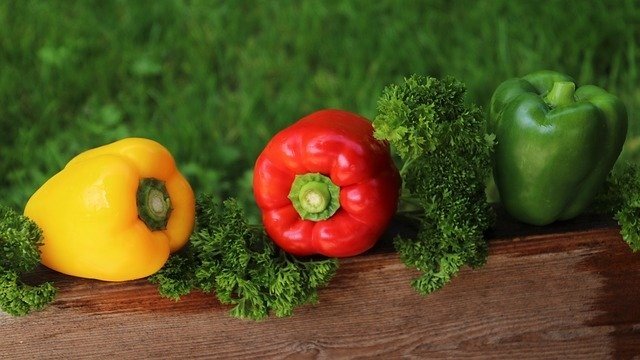
Sweet peppers can anywhere from 60 to 90 days to mature. Red peppers will be green at first and then slowly turn red. You may eat them early while they are still green or if you have patience, then wait until they turn red.
Hot peppers take longer to mature even up to 150 days!
So, if you live in colder climates and lowers zones, then you must start your peppers indoors and even plan on growing them in a greenhouse setting.
Harvest Time
Peppers can be harvested and eaten at any stage of maturity. Snip the pods off the stems when ready to harvest to prevent damaging the plants. Healthy plants will bear peppers for several weeks. The longer peppers remain on the plant, the more intense flavor and/or heat the pod will have.
Save the Seeds
Another aspect of growing peppers is learning how to save their seeds. To save your pepper seeds, allow one pepper to remain on the plant until it becomes overripe and soft. Once the pepper has softened, carefully snip the pepper pod off the plant, cut a circle around the stem, and use the stem as a handle to lift out the core with attached seeds.
Shake seeds onto a paper plate, then spread them out in a single layer and allow them to air dry. Place dried seeds in an envelope and store in a cool, dry place.
Planting Snapshot
- Start seeds indoors 6 to 8 weeks before planting them outside.
- Plant 2 to 3 seeds 1/4 inch deep in cells, trays, or small pots.Keep the temperature above 80 degrees for seeds to germinate well.
- Thin the plants down to one strong seedling.Transplant seedlings to 4-inch pots after they grow 2 true leaves.
- Move seedlings to the greenhouse or outside when nighttime temperatures reach 70 degrees.
- Space transplants 12 inches apart in rows that are 28 to 36 inches apart.
- Control for Cutworms
- Use mulch to keep the soil moist and stop weeds from growing.
Pin It to Your Gardening Boards!