
Homemade Diastatic Malt Powder: for Better Breads

Very few home bakers have heard of diastatic malt. Malt has a sweetening effect in bread. It can be used as the sweetening agent so other simple sugars, honey, and molasses can be eliminated from your yeast bread dough.
Diastatic malt is made from whole wheat berries or whole barley grains, but I have only made my own from wheat. The malt acts as the sweetener for the yeast, plus it is a dough conditioner for a good rise and better bread texture.
This type of malt powder is an essential ingredient for making authentic artisan-style breads at home. Now, you can learn to make your own homemade diastatic malt powder that is such an essential ingredient, particularly for those looking to create light-textured yeast breads.
WHAT IS HOMEMADE DIASTATIC MALT?
Diastatic malt powder is the secret ingredient savvy bread bakers use to promote a strong rise, great texture, and lovely brown crust. Especially useful when bread flour does not have barley malt added, as is true for most whole wheat flour and many organic flours.
From wikipedia.com
Diastatic malt powder also helps doughs to rise better due to the enzymes that are present in the powder. This enzymatic activity has the ability to break down starches, creating complex sugars and providing flavor, aroma, and color to baked goods.
And, it really only takes a small amount of diastatic milk powder to achieve good results. That amount is approximately 2 teaspoons per loaf of bread!

Sprouting the Wheat Berries:
- Soak 2 cups of Whole Wheat Berries overnight in 4 cups of warm water
- Drain off all water and rinse the wheat berries several times

Instructions:
I use a wide-mouth quart canning jar to soak my wheat berries. Then use a small mesh strainer to rinse them.
- Allow the berries to sit on the counter for 24 hours. For best results, leave the jar on its side as the berries will begin to swell and sprout.
- Rinse the wheat berries at least 2+ times each day. This keeps them fresh and well-hydrated.
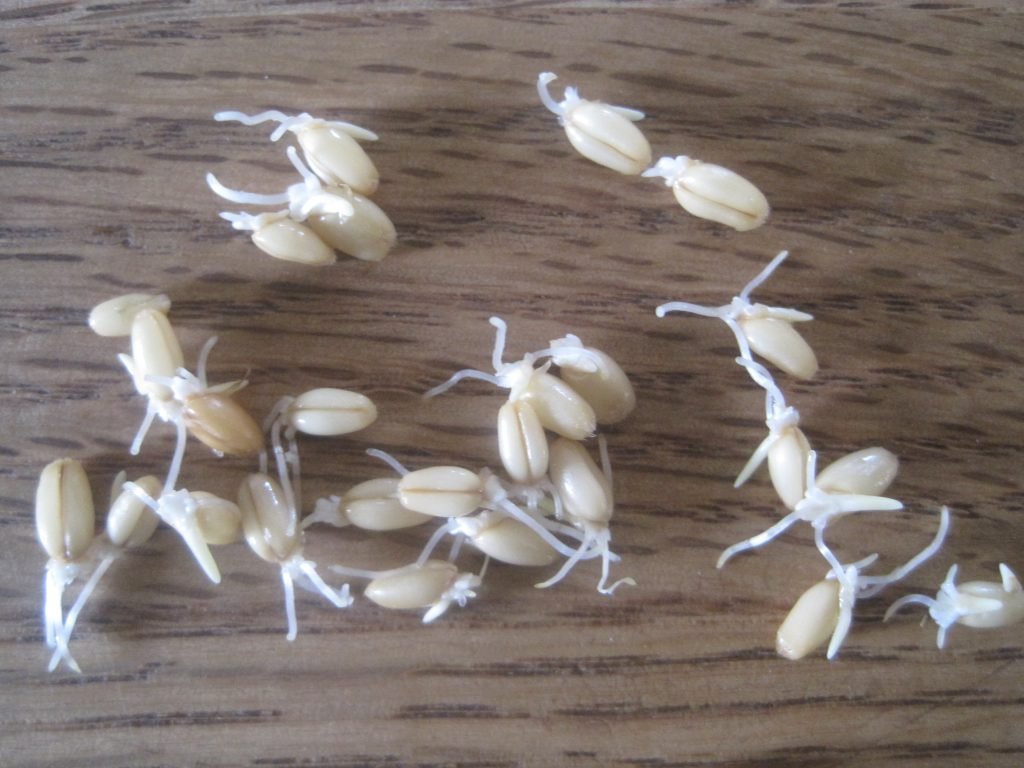
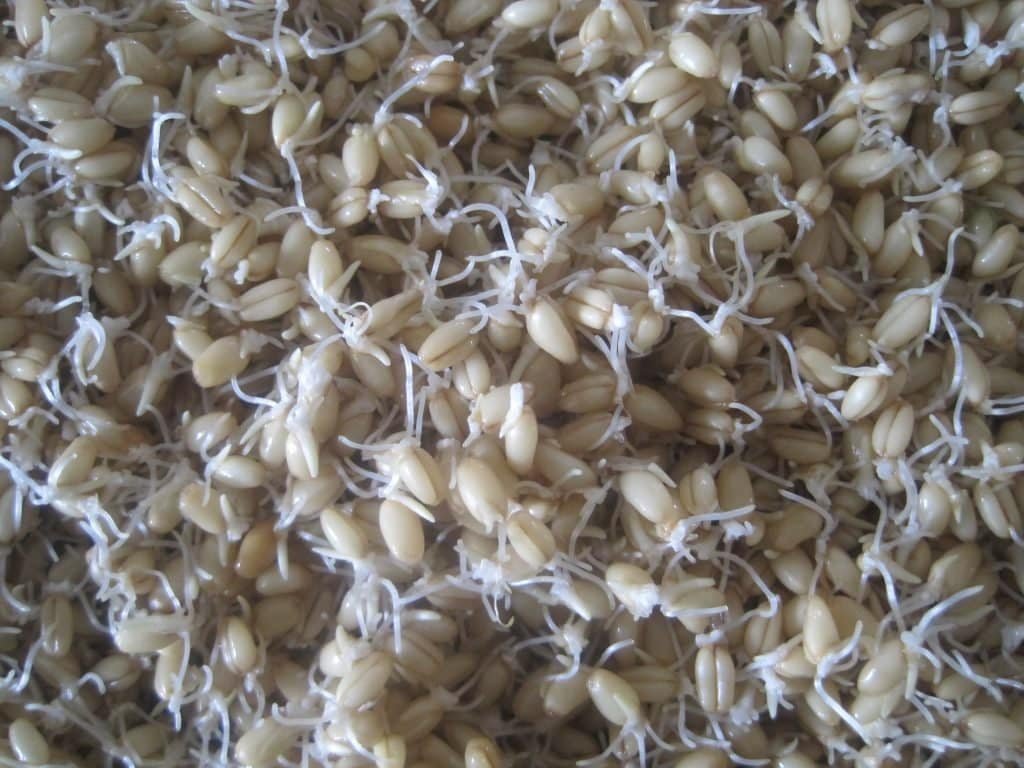
- You will see the wheat berries begin to sprout—watch carefully as the berries should only just barely sprout with about 1/4 inch of the little white sprouts showing.
- When you see this initial sprouting with about 3 little roots coming out, it is time to begin drying the sprouted grain.
Note: the little sprouting roots and any tip of the leaves should be white. You do not want to let them go further and start to turn green. We are after just a very small sprout.
Sprouting activates enzyme activity in the wheat plus added nutrients, which will increase the overall nutrition of each slice of your homemade bread!
Drying the sprouted wheat:
- Completely drain the sprouted wheat berries.
- Spread on a parchment paper-lined cookie sheet or baking sheet for drying (you may also spread your cookie sheet with paper towels).
- Place in a warm location for approximately 2 days—or dry in your food dehydrator—or in your oven on very low until dry.
- They should be dried at a low temperature, never over 104 degrees, as higher temperatures will kill the active enzymes in the sprouted wheat.
- Stir occasionally to make sure all wheat berry sprouts are totally dry.
- They should be rock hard just like the original wheat berry before sprouting.
- Remove the parchment or paper towels for the last 12 hours or so to make sure every sprouted wheat berry is totally dry.

Quick Tip: Buy Diastatic Barley Malt if you do not wish to make your own.
Grinding the Dried Sprouted Wheat Berries: for homemade diastatic malt
- It is now time to grind the sprouted wheat berries into a fine powder or flour.
- I use my Vitamix with the dry container, but you can use any type of home grinder, including a food processor or a coffee grinder; just make sure all the coffee has been cleaned out.
- Place approximately 1/2 cup of dried sprouted wheat berries in the container.
- I grind on high-high for about 1 minute in my Vitamix.
- Sift the ground sprouted wheat berry flour through a mesh sifter into a separate bowl. This step removes any unground berries. Put those back into the grinder to be re-ground.
- Once all your wheat berries have been ground, store them in a glass jar in the refrigerator.
- 2 cups of whole wheat berries yield 2 cups of diastatic malt powder.
- Do not leave your malt on the counter at room temperature. Refrigerate or freeze.
- Interestingly enough: Diastatic Malt smells just like Malted Milk Balls that some of us ate as kids!!!

Ground Diastatic Malt
How to Use Diastatic Malt Powder:
- Homemade diastatic powder can be added to all-purpose flour and all other types of flour.
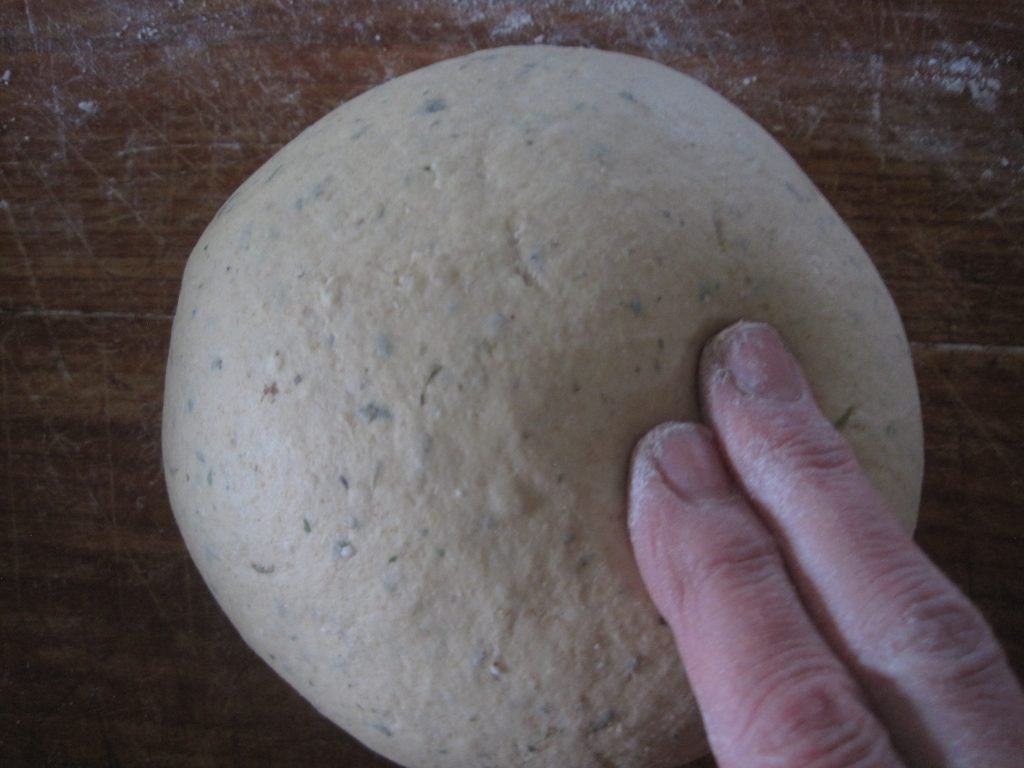
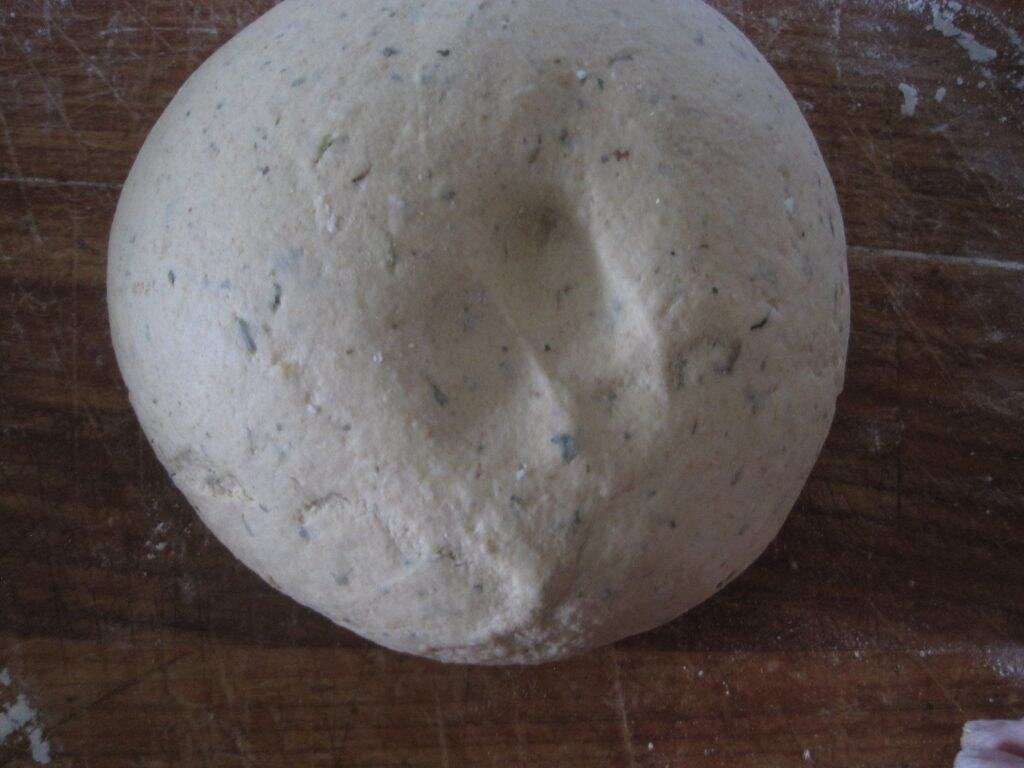
- Add approximately 2 teaspoons of your diastatic malt powder for each loaf of bread to be made.
- Next, add 1 teaspoon when proofing your yeast.
- Then, add an additional 1 teaspoon of diastatic malt powder when kneading the dough.
- Bake as usual per your recipe.


Related Post: How to Make Basic French Bread
Try Healthy Creamy Soft Butter Spread & Mixed Berry Jam on Fresh Warm French Bread!!
What is Non-diastatic Malt Powder:
Non-diastatic malt powder, sometimes referred to as NDMP, is a common ingredient used in baking.
It is a type of grain that has been sprouted and dried under controlled conditions to prepare it for use in food products.
Unlike diastatic malt powder, non-diastatic malt powder does not contain active enzymes, which means it won’t have an effect on the dough’s rising process.
Instead, it adds flavor and provides sweetness to baked goods such as breads and cakes.
NDMP is made from barley or wheat grains that are heated until they are dry. The grains are then milled into a powdery texture before being added to items like cookies, muffins, bagels, and other types of baked goods.
In Conclusion:
In conclusion, diastatic malt powder can be a useful addition to many bread recipes. It adds flavor, encourages the development of gluten, and helps to create a more uniform texture.
If you want to stimulate the growth of yeast, accelerate fermentation, and increase the shelf life of your bread, diastatic malt powder may be worth considering.
However, it is important to remember that too much can have a detrimental effect on your dough and should therefore be used in moderation.
So, the next time you bake bread, give your homemade diastatic malt powder a try for some diastatic power!


Love the idea of diastatic malt but not the work then consider purchasing: Diastatic Malt Powder-16 oz to give it a try!


Thank you, I had no idea about that this is where it came from or what it was for.
I enjoy helpful, useful ideas…glad you found this of interest!
I would definitely give this a try. But, remember that this recipe uses wheat and/or barley so make sure there are no wheat allergies in your family. Maybe make a smaller batch with the wheat diastatic malt to make sure it is approved by your kiddos!
Yes, it works just fine! Glad you asked. I just mixed up a small batch. If you would like to give it a try. Mix 1 tablespoon homemade diastatic malt, 1 tablespoon cocoa powder, a tiny pinch of salt and an even smaller pinch of baking soda. Mix well and add approximately 1 tablespoon of this mixture to 1/2 to 1 full cup of milk. Shake or stir and there you have it! If you like the results, then make a larger batch of just the dry ingredients adding milk powder to this recipe for a complete Malted Milk Instant Powder. Store in the refrigerator. Mix to Taste.
I sprout all my wheat berries before grinding into flour for our bread. How is this different?
I have only used the diastatic malt powder as an dough conditioner. There is a difference in the length of time the wheat berries or grains are sprouted. For flour, the wheat berries are just barely sprout to about 1/8″. For diastatic malt the barley or wheat berry sprouts should be at least the length of the grains. I have not made sprouted flour so you may want to do a little more research but the length of sprouting time is the basic difference. Thanks for writing. Good question!
Do you use hulled or unhulled grains
Wheat Berries are unhulled except for the inedible outer husk which is called the chaff. All the nutrients in the wheat berries remain intact.