
7 Best Healthy Cooking Oils for Clean Eating
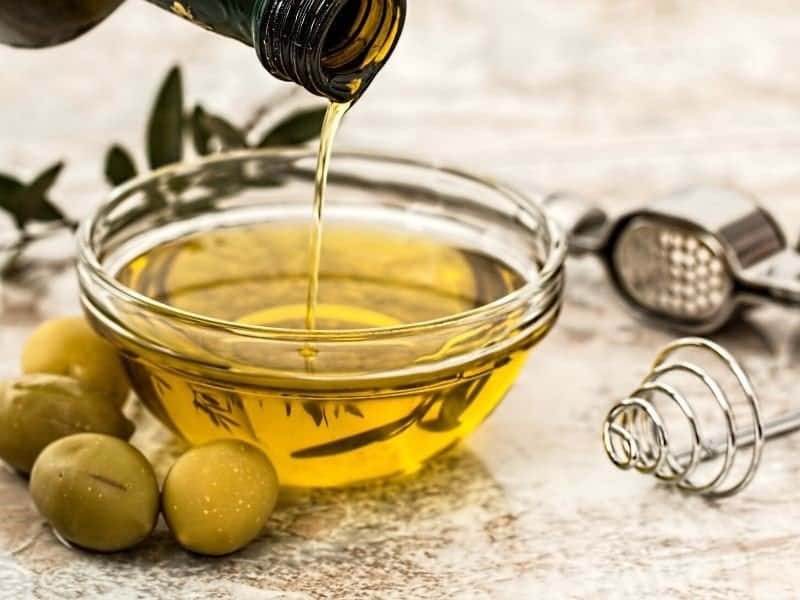
You have plenty of options when it comes to choosing the right cooking oil for sautéing, frying, baking or drizzling, but some oils are healthier than others. Find some important information on the best healthy cooking oils.
Oils with lower smoking points break down more easily as soon as they reach that point, releasing harmful free-radicals that can wreak havoc inside your body.
Most Common Cooking Oils
If you want to find the top cooking oils, you’ve come to the right place. We will cover the main characteristics of each of these cooking oils to give you an overview on their benefits.
1. Extra Virgin Olive Oil

Olive oil is a common and useful ingredient in many kitchens. Nutrition experts say that extra virgin olive oil, which is unrefined and non-processed, is one of the healthiest cooking oils.
While olive oil is very popular, it has a low smoke point. This means it works best for low- to medium-heat cooking and is not suitable for frying or roasting at temperatures over 350 °F. It’s great for drizzling, sautéing, and making salad dressings, or you can use it on fresh greens and vegetable salads.
Primary Benefits of Olive Oil from WebMD
2. Avocado Oil

Avocado Oil has the “healthy-eating community” becoming obsessed because it has a neutral flavor and creamy texture, making it ideal for all types of cooking.
Another fantastic characteristic with avocado oil is that it has a high smoke point (nearly 400 °F), so you can easily use it at a higher heat such as for stir frying, sautéing and roasting.
Avocado oil has a wonderfully mild taste so it is perfect in all dressings and sautéing plus works well for baking. I use avocado oil in all my cookie, cakes, muffin, coffee cake recipes. This must-try cookie recipe . I have adjusted this recipe to use avocado oil has the primary fats and they are delicious!
Seasoning Cast Iron with Avocado Oil
If you cook with cast iron pans and skillets, then make sure to take a look at how to season your cast iron with avocado oil. Due to the high smoke point of avocado oil, it works perfectly for restoring the non-stick finish in all cast iron.
Primary Benefits of Avocado Oil from WebMD
3. Coconut Oil

Some people argue about using coconut oil for cooking because it has a lot of saturated fat, which makes it solid at room temperature. However, research shows that not all saturated fats are harmful. This has led to claims that coconut oil is a superfood.
Refined coconut oil has virtually no taste, so it works well in all types of dishes and smoothies. But the unrefined version definitely has a coconut taste, so if you love this flavor, the unrefined coconut oil may work well for you.
Coconut oil doesn’t work well in salad dressings because it is solid at room temperature. However, it can be used on steamed vegetables.
Refined coconut oil is good for sautéing at high temperatures since it has a smoke point of 450 degrees. In contrast, unrefined coconut oil has a lower smoke point of 350 degrees, making it less suitable for frying or roasting. Both types of coconut oil are great for baking.
Remember, coconut oil is a saturated fat, so use it in moderation like other saturated fats. Stay informed about new research on this topic.
Dairy Product Alternative
Coconut oil is actually a very good vegan alternative to butter. You might like this butter-flavored coconut oil spread.
Primary Benefits of Coconut Oil from WebMD
4. Flax Seed Oil

Flaxseed oil has a strong taste, so start out slowly when adding it to smoothies or in salad dressings.
With that said, you should know that flaxseed oil is extremely sensitive to oxidation and heat, so it should only be used for salad dressings or perhaps for preparing hummus. Make sure to store it in the refrigerator as per the product label.
Important tip: Always buy cold-pressed flaxseed oil in a small bottle. Keep it refrigerated and be sure to use it up by the expiration date.
Primary Benefits of Flaxseed Oil from Mayo Clinic
5. Sesame Seed Oil

Refined sesame oil has a relatively high smoke point of 410 degrees, so it is suitable for frying. But unrefined sesame oil’s smoke point is 350 degrees, so it should not be used at higher temperatures.
The flavor is nutty but will lend itself nicely to certain main dishes, pasta, rice, or other grains. Unrefined sesame oil can be drizzled over salads, light sautéing, and low-heat stir-frying. You may not want to use sesame oil to prepare every dish, but for those dishes that lend themselves to the sesame-like flavor, this might just be the oil for you.
Also, consider using tahini, which is a spread made from sesame seeds. Tahini is rich in nutrients and a very versatile kitchen staple, mainly as an ingredient in hummus, sauces, and dressings.
Primary Benefits of Sesame Seed Oil from WebMD
6. Walnut Oil
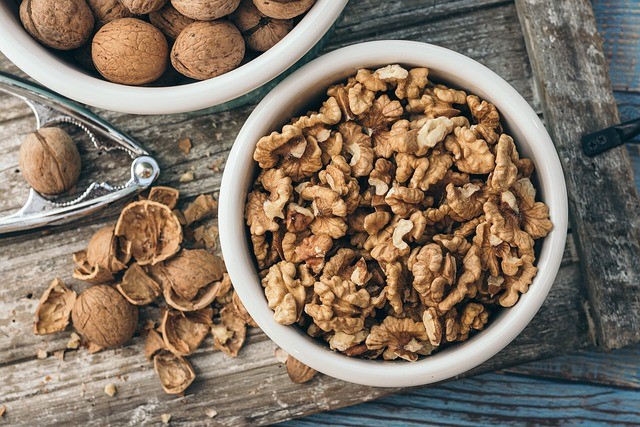
Walnut oil has a slightly nutty-tasting oil that can be used to drizzle over pancakes, freshly cut fruits, salads, and ice cream. You can even add a little of this oil when making smoothies or milkshakes to enhance the flavor of these beverages.
Just make sure not to use walnut oil for sautéing or frying, as it has a low smoke point. But this oil can be a nice addition to dressings and fresh sauces.
Primary Benefits of Walnut Oil from WebMD
7. Hemp Seed Oil

It’s best used when drizzled over salads or roasted vegetables. You can also use it for sautéing purposes, creamy soft butter spread, and in smoothies!
Primary Benefits of Hemp Seed Oil from WebMD
It’s a Wrap…on the Top Cooking Oils
Here’s our list of the best healthy cooking oils. Tell us which ones you want to try next time you cook.
Use fresh cooking oils to enjoy their health benefits. Old or rancid oils can be harmful and taste bad. Always check the expiration dates and dispose of any old oils.
These are easy tips for choosing cooking oils. If you have any dietary restrictions or health concerns, check with your healthcare provider.