
Buff Orpington Chicken Care Guide for Beginners
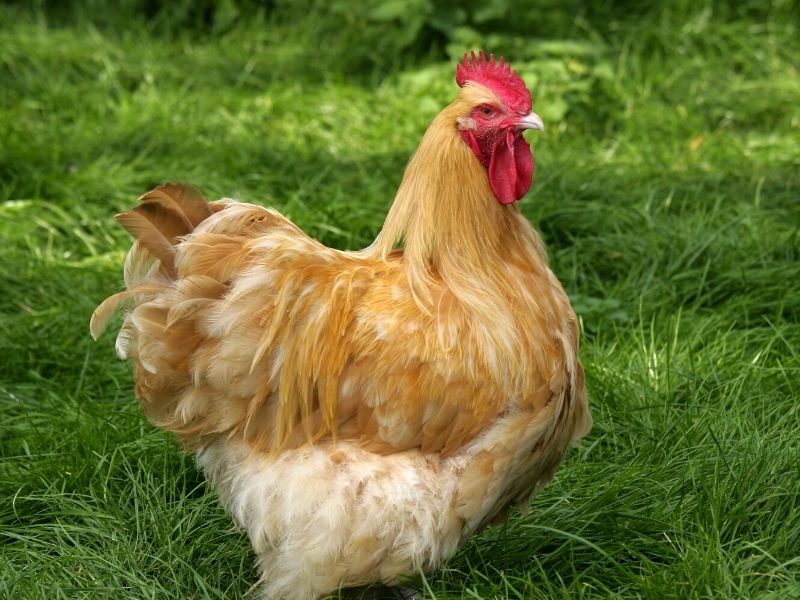
Buff Orpingtons are easily one of the most popular and beloved chicken breeds today. Their mild temperament, regal nature, and their easygoing attitude are admired by those who breed and raise them.
Beginner’s Guide to Buff Orpington Chickens
A few years ago, Buff Orpingtons were at risk of extinction. Thanks to many dedicated breeders, they are out of the extinction risk category and are no longer in danger.

If you’re a new breeder or want to raise Buff Orpingtons for the first time, this simple guide is for you.
Did you know that some of the royals are known to have raised this breed over the years, so they literally have a royal heritage.
Read on to discover more about the traits of Buff Orpingtons and how to care for them.
Let’s get started!
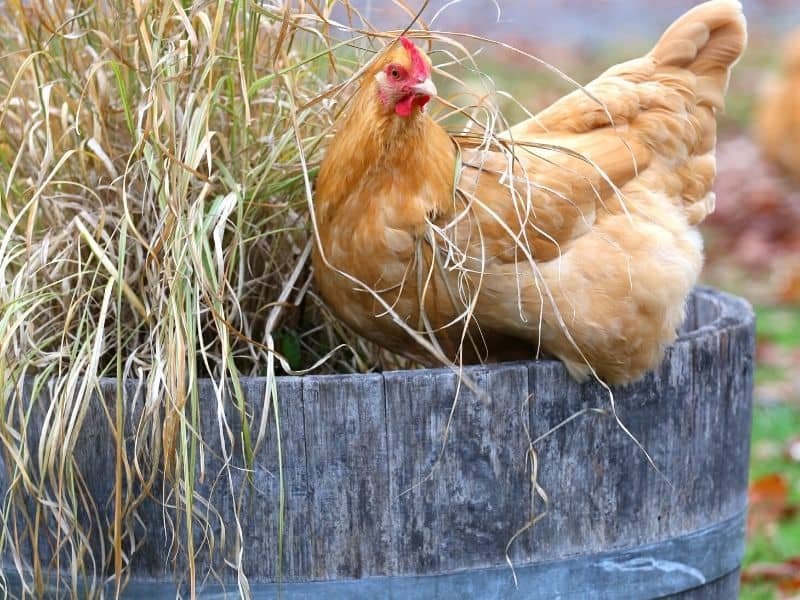
What Do Buff Orpington Chickens Look Like:
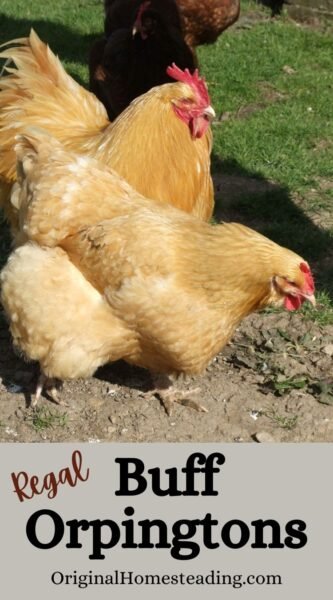
Buff Orpington chickens have unique physical traits.
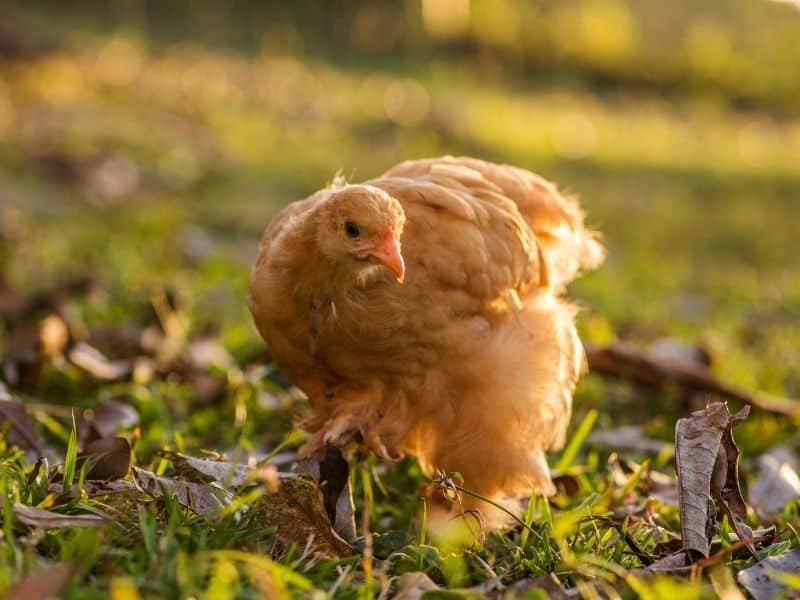
Feathers: Buff Orpingtons are fluffy and have smooth, golden feathers. They are mainly buff-colored but can also be white, blue, or black. Their broad feathers make them look puffier than other breeds. Buff Orpington chicks are cute and light golden in color.
Body: Buff Orpingtons have heavy, broad bodies. They stand low to the ground and appear short and curvy, giving them a stout appearance.
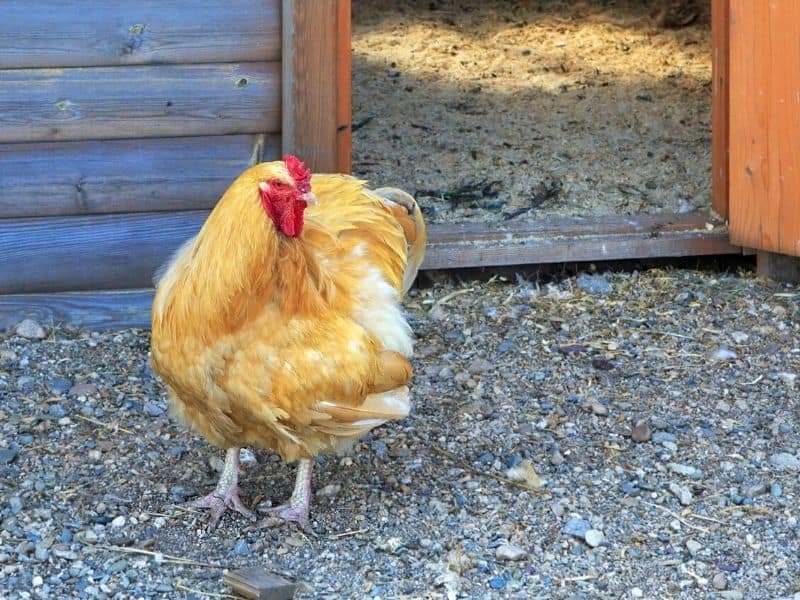
Beak, Shanks, and Feet: Their feet, beak, and shanks are pink and white.
Wattles, Comb, and Ear Lobes: Buff Orpingtons have bright red combs, wattles, and ear lobes.
Eggs: Buff Orpingtons lay light to medium brown eggs.

Egg Laying Facts for Buffies:
Buff Orpingtons’ Egg Production
Buff Orpingtons lay between 200 and 280 eggs a year. The exact number depends on the quality of their food and their living conditions, like coop size and shelter.
Buff Orpingtons produce large brown eggs. While the shade of brown may vary, all their eggs will be brown.
Caring for Buff Orpington Chickens
To raise Buff Orpington chickens properly, follow these steps:
- Provide Safe Shelter
Buff Orpingtons are not picky about their living space. They can thrive in both open ranges and small areas, but an open range is best for their health.
Build a coop that is easy for them to access. While they are adaptable, they can be sensitive to extreme heat, rain, and cold. Ensure the coop has enough dry space for shelter.
Always give them access to fresh pasture or free-range areas, but keep them secure in a coop to protect them from wild animals.
Extra Helpful Chicken Top Tips:
- TIPS for RAISING BABY CHICKS | Raising Chicks for Beginners
- QUICK CHECKLIST for RAISING BABY CHICKS {Free Printable!}
- Chicken Coop Ideas for Raising the Best Chickens & Eggs

2. Check seasonal suitability.
Buff Orpingtons are best suited for mild summers and cold environments. So make sure you raise them in a colder environment for them to thrive at their best.
Even if you don’t live in a place with a cold environment, you can still create conditions for them where they don’t have to face direct heat.
Find some of the best chicken coop ideas for a healthy flock to keep your hens happy and productive.
The coop can be made colder with the right roof and shelter. Ideally, a buff chicken flock should be grown in pleasant to cold-ish environmental conditions.

3. Feed them regularly and properly.
The feed of the chickens is the most important part that you need to be always in control of. You must begin with a chick starter for newly hatched chicks.
Then, switch to a chick grower until your young pullets begin laying their first eggs.
Or, you can simply use a combination chick starter-grower feed.
After that, move your young laying flock to a lay pellet or lay mash feed. In addition to layer mash or pellets, you may be wondering, what do Orpington chickens eat? Orpington chickens are like other chickens in their food needs.
Along with a balanced layer mash or pellet diet, here is a helpful list of extra foods to feed your chickens if you have them.
Add garden leftovers, kitchen scraps, and mealworms to improve their diet.
If you want to give your chickens extra food, here’s a handy reference guide on what chickens can eat.
Remember to include oyster shell supplement to help make strong eggshells.
Chickens eat a lot, so make sure you feed them enough.
Although it’s not common for chickens to get sick in a healthy environment, you still need to keep a close eye on their overall health and growth.
If you notice any change in any chick’s or hen’s behavior or movement, make sure you look for an ailment or injury. Make sure to grab a copy of this baby chick quick checklist for helpful tips.
If one chick or hen gets sick, the disease can spread across the flock, which can endanger the lives of all your chickens.
Therefore, make sure that you’re assessing all the chickens’ health closely.
Good feed and pasture play an important role in keeping Buff Orpingtons healthy.
Make sure you’re giving them the right conditions and a safe coop in order to prevent any unnecessary health issues.
Final Thoughts
Buff Orpingtons are popular among breeders because they adapt well and are easy to care for.
To keep them healthy, give them a good environment where they can thrive. They will become a great flock of laying hens!
If you’re unsure about which chicken breed to choose, check out The Top 10 Egg-Laying Breeds of Chickens!





Hola muy interesante gracias por compartir la información sobre estos ejemplares avicolas un abrazo desde Cuba bendiciones
(Hello, very interesting, thank you for sharing the information about these poultry specimens, a hug from Cuba, blessings)