Create the Best Garden Design that Works for You

Each outdoor area has its distinct character, and your garden should blend seamlessly with the local ecosystems and sunlight patterns that surround it. Creating the best garden design isn’t a simple formula that works for everyone. So, how can you develop a garden that genuinely represents your tastes and requirements?
Mastering Your Perfect Garden Design
Whether you have a sprawling yard or a cozy nook, your garden should be tailored to complement your space and align with your lifestyle.
Achieving the perfect design for your outdoor haven can be simple with these helpful tips.
{Hey there! Now’s the perfect moment to start thinking about planting—whether in the ground or in pots, big or small. Just envision growing something beautiful… cultivate what brings you joy and dream of fresh greens and vegetables; soon, it’ll all become a delicious reality! ♥}

Garden Size
How much usable space do you have for an outdoor garden? If the answer is a lot, then great, you will have plenty of space to work with.
But if not, then consider your options.
A small vertical garden can be planted and grown on a south-facing exterior wall, whereas a large plot of ground can be used to grow a lot of produce.
How much actual space, either vertical or horizontal, do you have that is usable for growing plants?
Once that is determined, you can decide how you want to use the space so it can be efficient and accomplish your gardening goals.
Garden Use
Do you want a hobby garden for growing a few special plants, or do you need a garden that can supply fresh produce for your family during the summer ?
Plus maybe even have enough to preserve for the fall and winter?
Both are gardens, but each will have a different design to meet different needs.
Available space will also determine how a garden will be planted and used.
Related Post: 16+ Ways to Preserve Foods
Container Gardening
Plants can be grown in containers on a small balcony, outdoor deck, rooftop, or anywhere else that has direct sunlight for at least 6 hours each day.
Gather various-sized pots and containers that work well in your growing space. Make sure they are protected from excessive wind.
It is very important to provide drainage holes in the bottom of your pots and containers.
Plus, consider adding some large gravel or pebbles to increase the drainage capability of each pot.
Trays or pot saucers can also be placed under each pot to catch excess water.
These are nice to have during hot, dry spells so your plants do not dry out.
There are a lot of nice growing mediums and potting soils on the market.
If you do not have good garden soil readily available, then consider buying some good potting soil.


For individuals with limited living space or those who lack time for gardening, utilizing containers can result in a beautiful and efficient garden layout.
Protect your KNEES… Grab Your Iron Sides Knee Sleeves TODAY!
Tiered shelving units multiply outdoor growing space and can be used as an attractive part of outdoor decor.
Hanging planters and window boxes can also be part of your garden design to maximize growing space and improve your home’s curb appeal.

Lay of The Land
Work with the outdoor space you have instead of against it by growing the right plants in the right places.
For example, if you have a low-lying section in your landscape where rainwater collects, use that space for creating a rain garden with plants that absorb water and thrive in moist areas.
If you live in a hot, dry climate, use plants that are drought-tolerant so less water will be needed to keep them alive.
Use shade-loving plants in shady areas and sun-loving plants in sun-drenched locations.
Working with the land when creating your garden design will help you have plants that are thriving instead of plants that are dying.
Time Restrictions
Consider the amount of time that you have to devote to plant care when creating a garden design.
An elaborate landscape that includes manicured lawns, trimmed trees, living hedgerows, fresh fruit and vegetable plants, plus flowers and shrubs is going to require a lot of time to maintain.
Determine how much time you are willing to devote to the care and upkeep of plants when creating a garden design.
Consider this Teachable Series course: Vegetable Gardening Success.
Water Restrictions
Another resource to consider is water when planning a garden. Many locations have restrictions or bans on outdoor water usage.
A rain barrel or other rain catchment system is a way around water restrictions, but catching and recycling rainwater is not always a feasible option, so see if this will work for you in your area.
Take into consideration how much water your garden will need on a daily basis, and consider the cost and time involvement in your initial garden design.
Planting in Rows or Plots or Hills
Take the drawing of your garden space and draw in your rows, blocks, or beds.
Your garden may look different each year as you rotate your plants from heavy feeders to light feeders and try to plant companion plants close to each other.
Your garden design may always be moving and never the same. But this is where creativity comes in, which makes each garden so unique!
Make your garden your masterpiece. If you like neat and tidy rows, then go with all single-row plantings.
But remember, rows can go horizontal and then vertical to add interest and ease of working in your garden, like in the photos below.
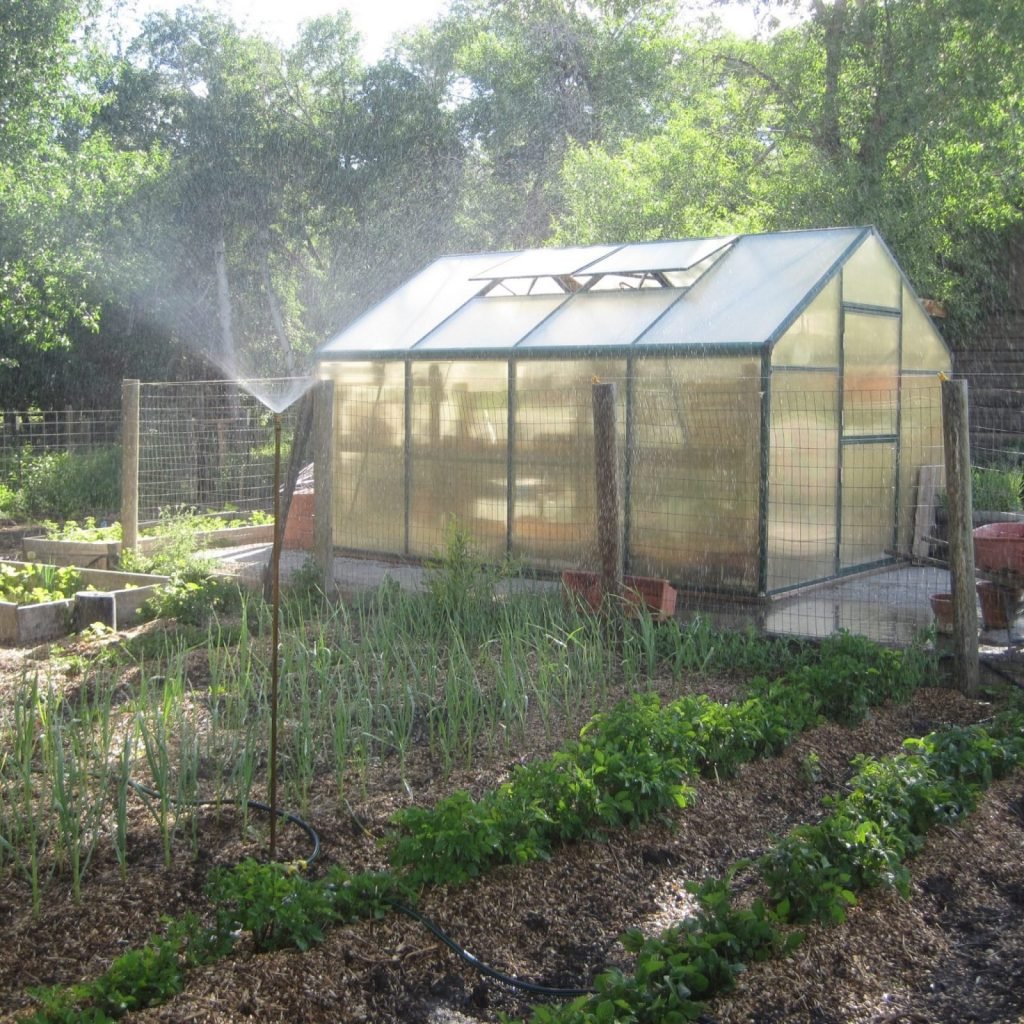


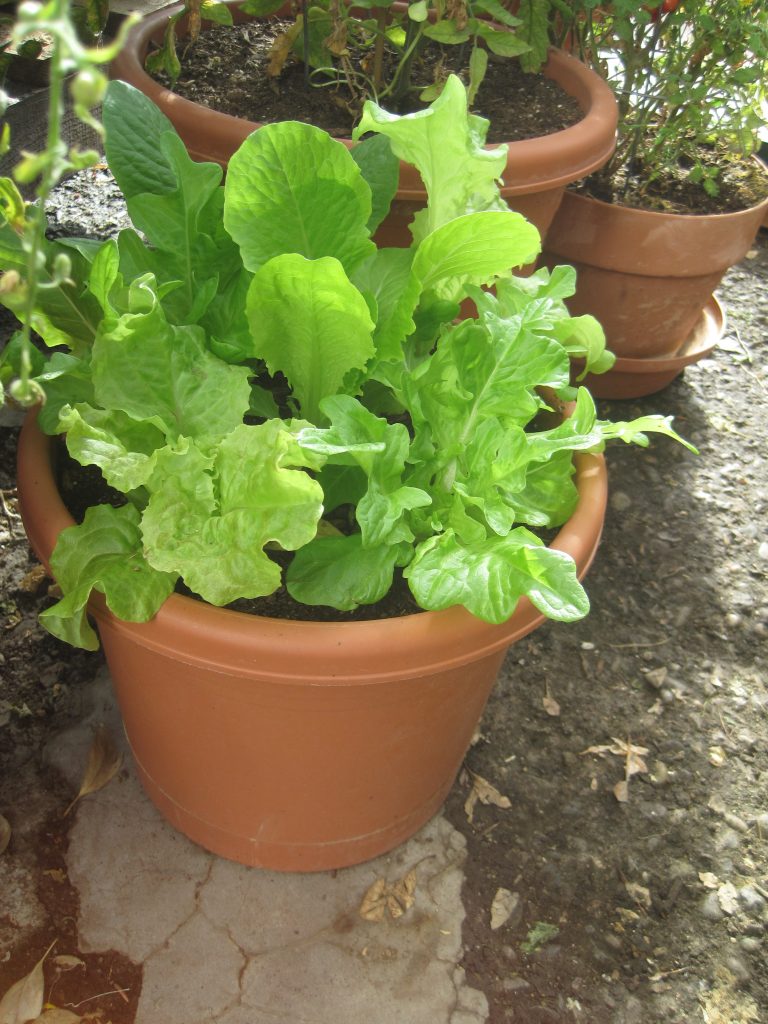
I enjoy mixing zucchini plants with lettuce and creating a row for pole beans that will climb bamboo poles tied together like a tepee.
It’s easy to plant small seedlings and seeds too close together, so ensure your rows are spaced enough for the mature plants.
The goal is to have plants close enough that their leaves just touch but not so crowded that they struggle for space.
If any plants start to crowd their neighbors, you can easily transplant them to a roomier spot!
Sustainable Gardening
Permaculture, food forest, and sustainable garden are terms used to describe a garden design that is not really a design.
After preparing the soil and planting a few seeds, the permaculture is left to grow on its own.
Plants are allowed to grow wherever they spring up and decaying plant matter is left in the garden to decompose and feed the soil. It’s a productive garden design that has no design, but it works.
No Right or Wrong Way
There’s no right or wrong way to design a garden. Select plants that you like and that like your environment, then provide them with what they need to grow and leave the rest up to them.
Garden design can be as formal or as accidental as you want it to be.
One space can produce food, blooms, and fragrance; the colors can be monochromatic of span the colors of the rainbow.
It’s your garden, your design, have fun with it.
Design a garden that pleases you. Make it your own by adding creative items into your garden space like a potting bench, garden table, bird houses, Adirondack chairs for relaxing or whatever else that will make you smile! ♥
A garden is more than just a place to grow food and flowers, it’s a place that relieves stress and makes you happy.
I wish you much success as you create the best garden design for you!
Please Pin It to Your Gardening Boards!!!