
Enjoy Foraging for Wild Gooseberries: a Natural Treat
Did you know that healthy gooseberry plants produce over 10 pounds of fruit each year?
Think of all the jams, jellies, and baked goods you can make by planting gooseberry shrubs in your backyard.
We have wild gooseberry bushes growing in our yard, but foraging for wild gooseberries on the trail is also a fun late summer activity.

Foraging for wild gooseberries is a favorite activity in our family. We love these fruits, and I like to freeze some for winter.
This guide will show you everything you need to know about this summer fun.
The Guide: Foraging Wild Gooseberries
Step 1: Prep
Foraging is a fun summer activity for kids. However, you need to prepare a bit before going with your family.
Here is how we prepare for the day:
- Wear sturdy footwear to prevent slips or accidents while we’re on the trail.
- Make sure to bring gloves to protect our hands from thorny bushes.
- Bring scissors, shears, and a harvest basket to gather the gooseberries.
- Make sure to keep water bottles and snacks with us if we are planning a long hike
- Also, depending on your location……bring bug spray and/or bear spray!
In short, prepare for everything to ensure that the foraging expedition is successful.
Step 2: Identify a Gooseberry Shrub
Here are the three things that help you identify a gooseberry shrub:
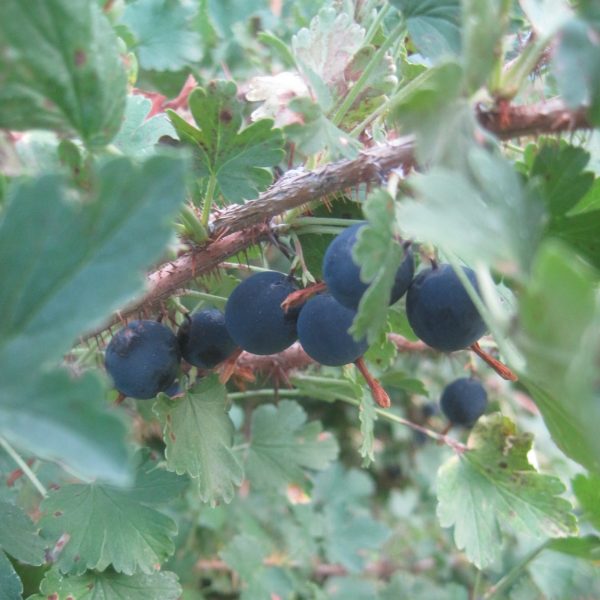
- The shrubs are prickly and spiky with thorns all over them.
- The shrubs have scalloped-edged leaves with slightly rounded tips.
- You can find the ripened gooseberries under the branches, all arranged in a single line.

Once you’ve recognized a gooseberry branch, it’s time to pick.
Fun Fact: Nutrients in Gooseberries
Step 3: Start Gathering Gooseberries
Purple, red, green, and pink—these summer fruits come in many colors. We pick wild gooseberries that look like the Black Velvet Gooseberry. The most common types are American Green (Ribes hirtellum) and European (Ribes uva-crispa).
Finding gooseberries is not hard, but be careful of the plant’s spiky thorns to avoid scratches or ripped clothes. Hand-picking is the easiest way to gather gooseberries.
I hope you fill your basket on your first foraging trip!

Important Tip: Don’t eat unripe gooseberries. They are smaller, harder, and not soft like ripe berries. Also, avoid picking gooseberries from the ground because they are usually overripe.
Growing Gooseberries: If you want to grow your own gooseberries, check out the varieties available on Amazon. Gooseberry Plant Varieties that are readily available on Amazon
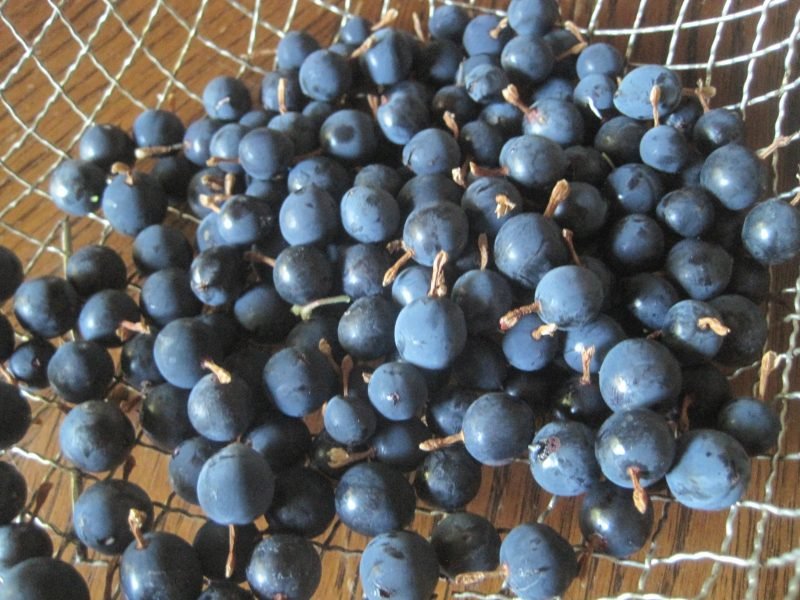
Harvesting Time: The best time to harvest gooseberries is when they are fully grown, deep purple, and a bit sweet.
Pro Tip: You can freeze fresh gooseberries to enjoy them throughout the winter.
Freezing Gooseberries:
Gooseberries are super easy to freeze.
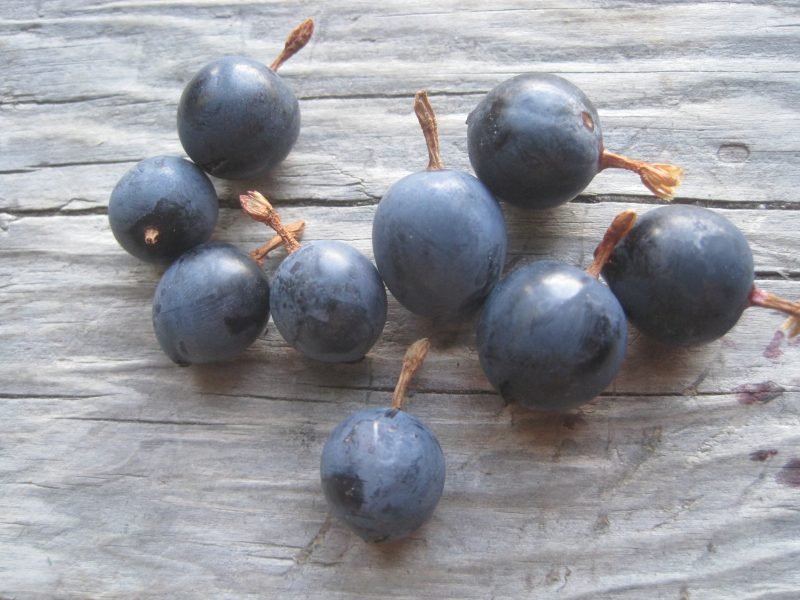
- First, remove the stem and tail from each gooseberry.
- Check for any soft or mushy ones and throw them away.
- Next, spread the good gooseberries on a cookie sheet with edges.
- Put the cookie sheet in the freezer and freeze until solid.
- Store the frozen gooseberries in jars, plastic bags, or freezer containers.
- Use them during the winter months.
You need to remove the stems and tails from each gooseberry before freezing them. The best way to do this is by hand.
Freeze the berries in a single layer so they don’t stick together. This makes it easy to take out a few berries at a time when you want to make compote, jam, or pie.


Juicing Gooseberries:

Gooseberries are perfect for juicing with a Stem Juicer. This method extracts the juice of each berry which can then be used immediately as fresh juice or for making jelly. The juice may also be canned for later use.
I have had this exact steam juicer for years. This type of juicer is very easy to use and make excellent juice that can be frozen or canned for later use.
Common Uses of Gooseberries:
The good news is that most gooseberry varieties are edible when ripe and can be enjoyed when freshly picked.
Here are some simple ideas for enjoying this summer berry:
- Make your own jams and jellies.
- Bake Gooseberry Pies and Tarts
- Preserve or freeze gooseberries for winter.
- Cook gooseberries with a few tablespoons of water and 1/4 cup each of raspberries, strawberries, and blueberries. Add a little sugar and simmer until the berries are soft. Serve over pancakes, waffles, or ice cream.
- Gooseberries taste great in fresh kefir. Double ferment the kefir for a rich probiotic drink.
- Here are instructions to make Homemade Milk Kefir and Homemade Water Kefir.
- Enjoy!
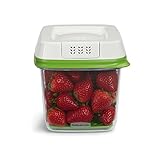
To Keep Your Berries Fresh in the Refrigerator, try this: Fresh Produce Saver by Rubbermaid
In a Nutshell:
Foraging for wild gooseberries is a wonderful way to get close to nature. You get to spend a few hours under the sun while you pick the fruit. However, do remember to keep an eye out of thorns, scavenging animals, and unripe gooseberries during the process. It is always safety first!
So what are you waiting for? Gather the troops and start foraging gooseberries!
Pin It for Safe Keeping!