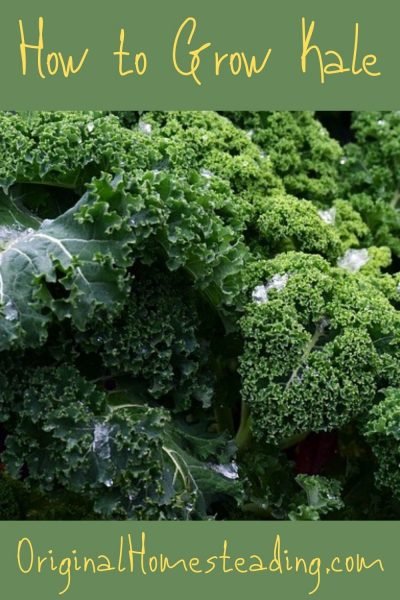
How to Grow Kale ~ Ultimate Garden Super Hero

Kale is an easy-to-grow superfood that deserves a spot in your garden. This leafy green is packed with vitamins, minerals, and protein and boasts several other health-benefiting reasons to grow it and to eat it! (Plus, dry it and freeze it!)
Crops of kale can be grown year-round in mild climates or twice a year (spring and fall) in cold climates. Even if you don’t like the flavor of kale, it will benefit your garden soil and actually makes an ideal cover crop. Use these tips for planting and growing kale in your home garden.
How to Grow Kale
Growing Location
Select a growing location in partial shade all day when planting kale in the summer. Kale is a cool-season vegetable and needs relief from the late spring/summer sun.
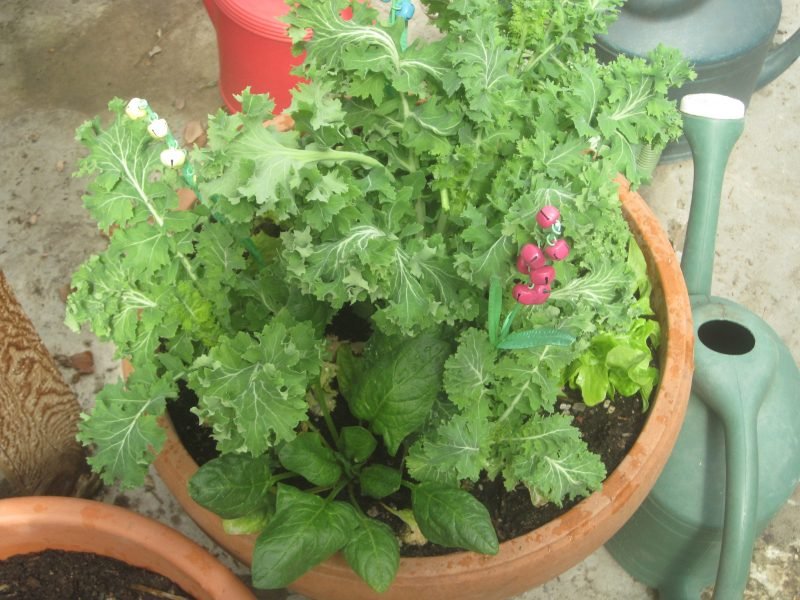
Select a full-sun location for growing kale during the winter. The plants can be grown in-ground or in containers.
Find Your Zone: FREE USDA Hardiness Zone Planting Guide
Soil Amendments
Kale grows well in soil that isn’t too acidic, ideally with a pH level between 5.5 and 6.8.
To prepare the soil, mix wood ashes into it two weeks before planting. This will lower acidity and raise alkalinity. Adding compost will also help with drainage and improve soil fertility.
If you want to check your soil quality, you can contact your local NRSC office or use a soil test kit If you need fertilizer, choose an all-purpose organic fertilizer.
Start Seeds
Seeds can be started indoors six to eight weeks before you’re ready to plant them outdoors. Find some simple seed-starting ideas here.
Plant kale seeds in individual cells or small pots. Use a seed-planting medium for best results. Plant 2 to 3 kale seeds in each cell or small peat pot.
Cover lightly with 1/4 inch of planting mix and tap into place.
Gently water, making sure the seeds are not exposed above the soil. Keep your grow light close to the surface of the soil to ensure hardy stem growth as the seeds germinate.
Make sure the soil is damp but not soggy. When the first true leaves appear, you can transplant the seedlings into 4-inch peat pots or growing containers. Consider planting your seedlings outdoors when they are about 4 inches tall.
Transplant seedlings into prepared soil after all danger of frost has passed in the spring or late summer when temperatures have cooled.
Make sure to read the important information below on how to prevent cutworm damage to young seedlings.
Seeds can also be planted directly into prepared garden soil or outdoor containers after frost danger has passed. (Kale is frost hardy, but the seeds will germinate at a much slower rate in cold, wet soil.)
Carefully place 2 to 3 seeds every 10 to 12 inches on top of prepared soil and cover with 1/4 inch of soil or compost.
Tap the soil to settle the seeds and gently sprinkle with water. This is the best watering can.
Plant Care
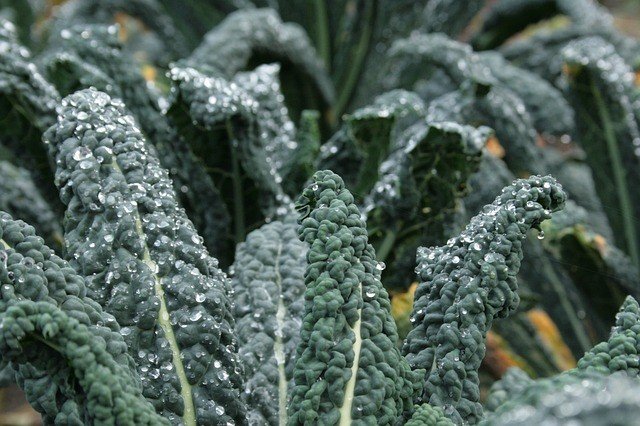
Add a 2-inch layer of organic mulch around plants to retain soil moisture, prevent weed growth, and keep soil cool. Kale is a hardy, disease-resistant plant, and few pests bother it except cutworms and cabbage loopers.
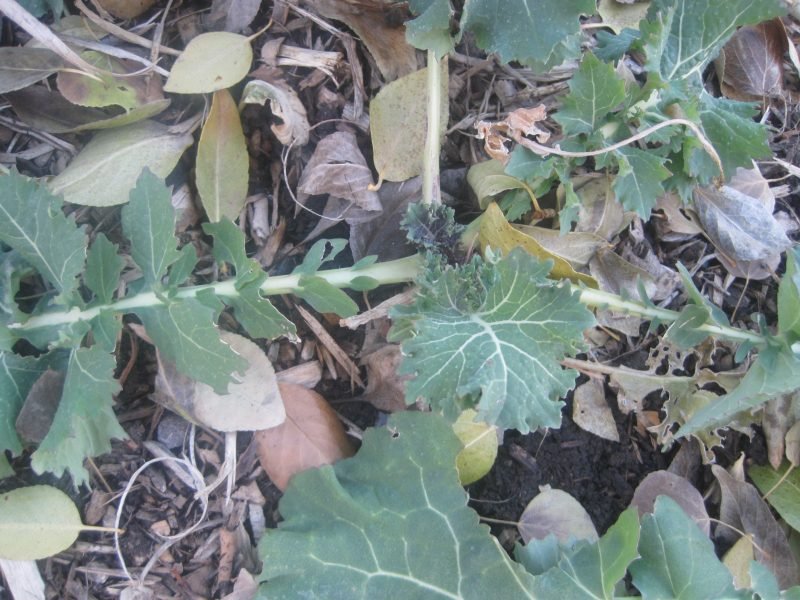
Make sure to protect your seedlings from cutworms once they have been planted in the ground. This is a must-do step, as cutworms are ruthless, and the damage can happen overnight and is permanent.
Pro-Tip: How to Stop Cutworm and Protect Garden Seedlings
Also, watch for cabbage butterflies and cabbage looper caterpillars, and pick these cabbage worms off of your plants by hand. They are little green worm-type critters. Pick them off as soon as you see them.
Harvest
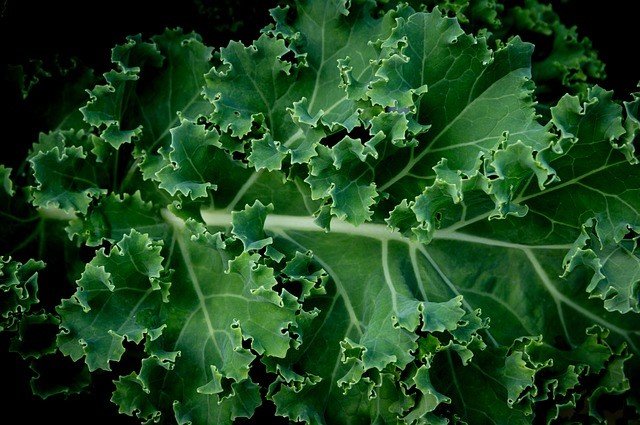
Harvest anytime the leaves are 8 inches or longer. By continually harvesting individual outer leaves, this allows the inner leaves to develop.
The more consistently that you harvest, the more the plants produce.
After harvesting your kale, simply wash, dry, and store it in your crisper section in the refrigerator. And take a look at a couple of ideas on how to use kale.
Kale is perfect when added to roasted vegetables, as it adds color and nutrition!
Cover Crop
Cover crops are just that, they cover the surface of the soil and then help prevent soil erosion, compaction, as well as increase soil fertility.
Kale can be planted as a cover crop due to it winter hardiness and deep growing roots. To plant kale as a cover crop, sow kale seeds into prepared garden soil in the fall and allow it to grow all winter.
As soon as the ground has thawed in the spring, till all remaining kale into the soil. Allow at least two weeks or more before planting your spring garden to give the winter cover crop time to decompose.
Pro Tip
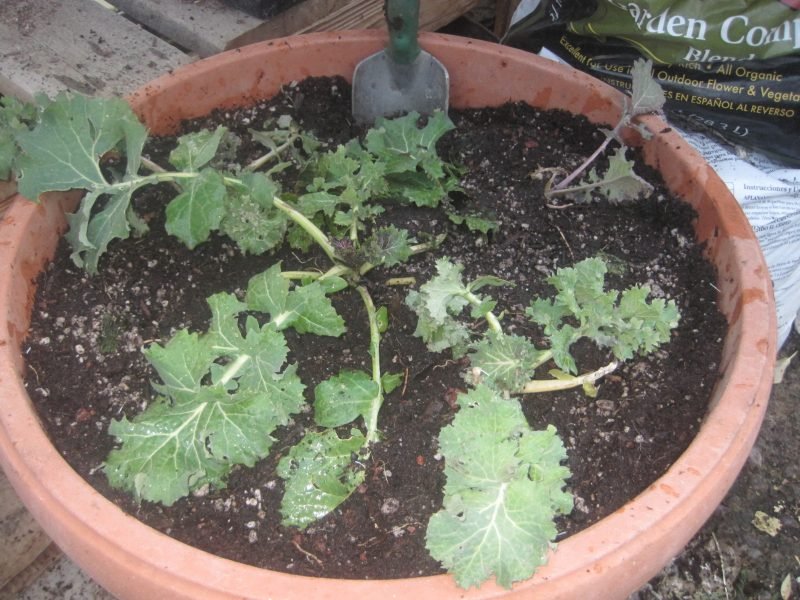
If your garden kale is still growing well in the fall but will soon freeze, you can transplant some into pots and move them to a sheltered spot or indoors.
Alternatively, you can transplant them to a cold frame, greenhouse, or another protected area to keep them growing.
I moved some of our kale plants into our small greenhouse. They survived most of the winter, even in freezing temperatures.
If your late-season kale tastes a bit bitter, give it to your laying hens! They will enjoy the fresh greens. ♥
To Wrap Things Up
- Kale is a nutritious superfood with vitamins, minerals, and protein.
- It can be grown year-round in mild climates or biannually in cold areas.
- Even if disliked, kale improves garden soil and serves as a cover crop.
- Consider tips for successful planting and growing of kale in your garden.
- Happy Gardening!
Pin It to Your Gardening Boards!