Indoor Flowering Plants for Winter that You will Love!

December weather in most climates is too cold for outdoor gardening but you can still have something blooming indoors with indoor flowering plants.
There are several species to select from, like the Amaryllis and Christmas cactus that put on showy floral displays in December and longer.
Indoor Flowering Plants
Check out these flowering plants and select some for yourself and some for gift-giving this Holiday season. Over-wintered and they will bloom for many years under the proper conditions.
Important Information: some plants are toxic to people and pets. I have listed safe alternatives for the plants that have known toxins. But, nonetheless, make sure to always do your own research on the best plants to have in your home.
Related Articles:
- Toxic Plants for Children and Pets
- ASPCA List on Safe and Unsafe Plants for Pets
- National Poison Control Website or 1-800-222-1222
- ASPCA Animal Poison Control
Amaryllis
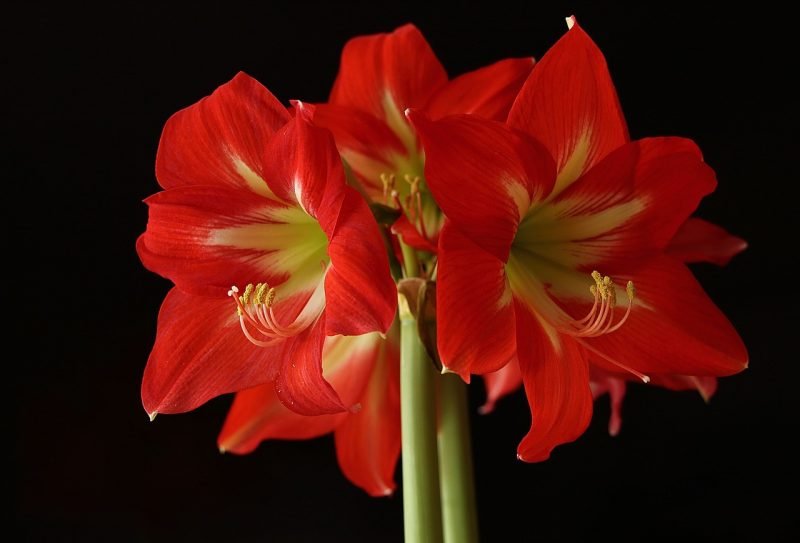
The Beauty of Amaryllis
The Amaryllis is a stately flower that is a Christmas tradition. To grow an Amaryllis bulb (Amarylis sp.), place the bulb in an 8-inch pot with a simple growing mixture. Set the bulb in a bright location but not in direct sunlight.
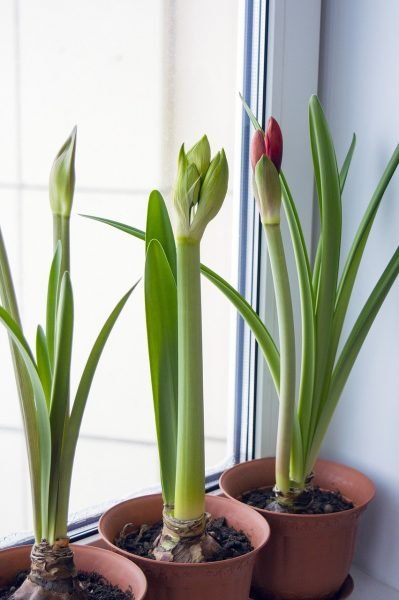
The large vibrant red, pink, white or orange of the Amaryllis plant blooms will last throughout December.
After all the flowers on the Amaryllis are gone, cut the stalk back to 1 inch.
Leaves will begin to emerge on the stalk, do not remove them, as they are essential for replenishing the food reserves for the Amaryllis bulb.
Keep the plant in a bright location, water it weekly and fertilize monthly and the plant will bloom again next December.
Get Started:
Warning: Amaryllis are toxic if ingested. Do not eat this plant.
Christmas Cactus

Christmas Cactus
The only trick to growing and coaxing blooms from a Christmas cactus (Schlumbergera truncata) is knowing when it needs medium light (Thanksgiving through Christmas), low light (after blooming until spring) and when it needs high light (spring through fall).
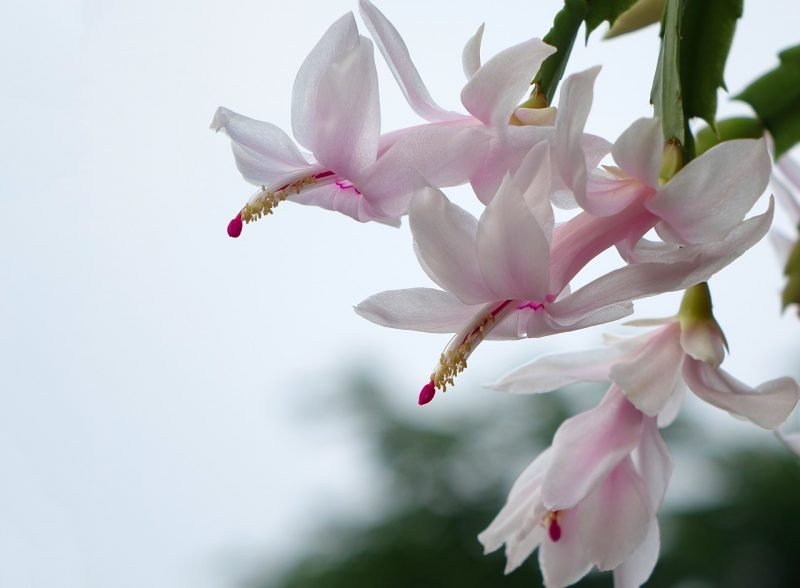
Christmas cactus needs are little; place in a cool location and water sparingly to keep it healthy and blooming throughout December. Do not keep in hot, direct sunlight as they can and will get sunburned.
Sunburned Christmas leaves will start to turn reddish-brown and wither a bit.
Get Started:
Safe: Christmas Catus are considered safe for people and pets
You May Also Enjoy: The 6 Best Air Cleaning Plants for Your Home
Poinsettia
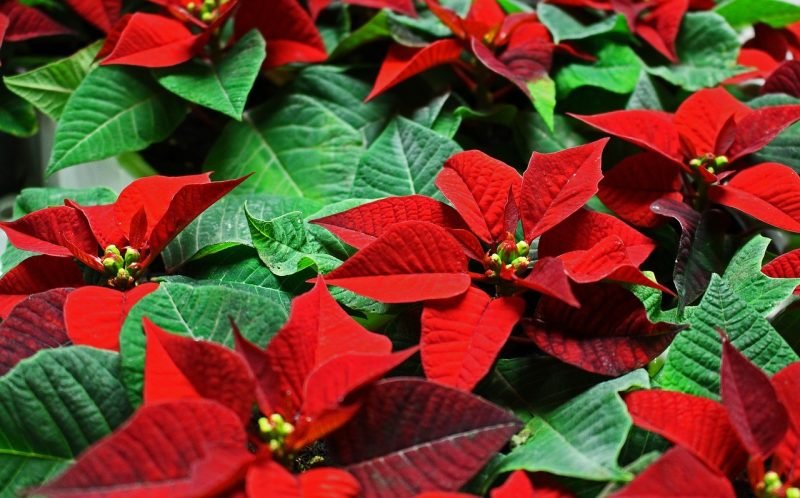
Poinsetta
This is the December flowering plant that is as much a part of the Christmas season as the Christmas tree, Poinsettia (Euphorbia pulcherrima) is an easy-care plant that comes in a variety of colors.
Poinsettias don’t produce flowers, colorful leaf bracts on the plant give the appearance of blooms.
Bracts can be red, white, green or pink and will appear on the plant in December. Place the poinsettia in a bright location away from drafts.
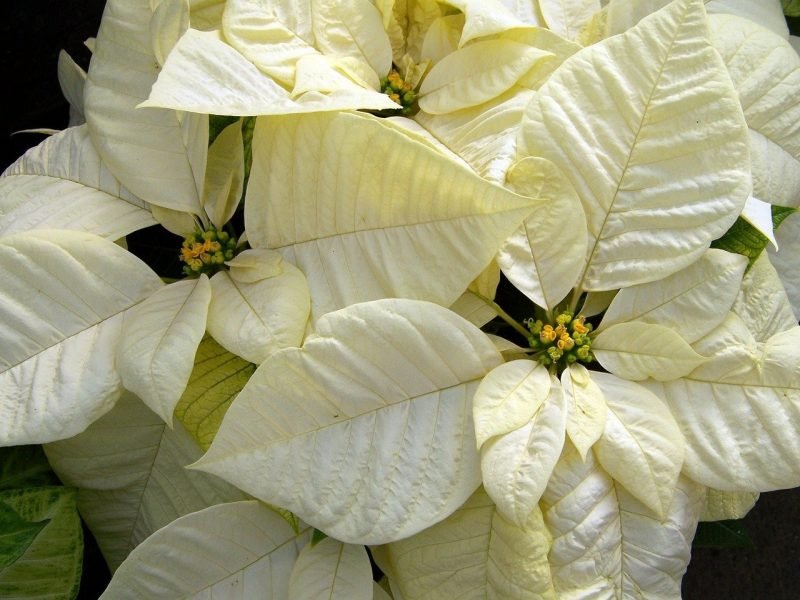
When the bracts drop off, keep the poinsettia in as bright a light as possible. As soon as temperatures permit, move the plant outside and place the plant in direct sunlight for the summer.
Fertilize and water the poinsettia to promote active growth, then bring the plant indoors when the temperatures drop below 55 degrees.
Continue to feed and water and your poinsettia plant will produce colorful bracts again in December.
Get Started:
Further Reading: Toxicity of Poinsettias has proven to be false. But, always research for yourself.
String-of-Pearls
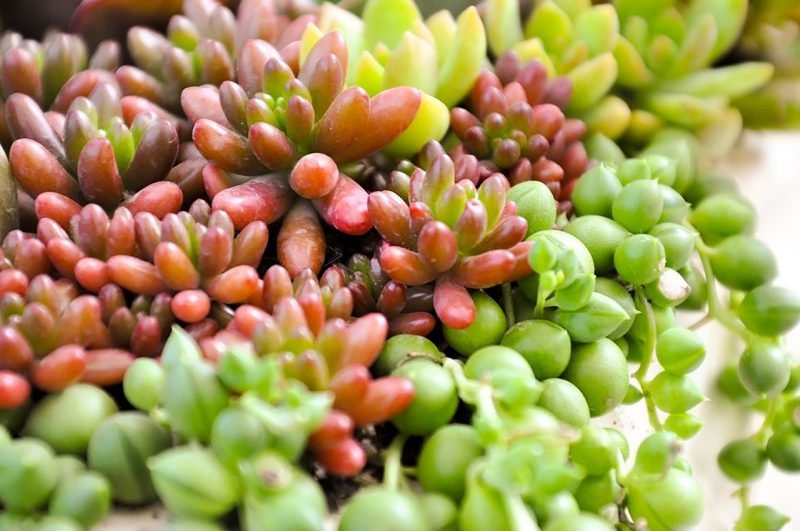
This is an easy-care succulent that is ideal for the busy Holiday season. String-of-Pearls (Senecio rowleyanus) will cascade over the side of a planter and produce tiny white blooms in December.
String-of-pearls are perfect indoors as a houseplant, place in a cool room in indirect sunlight. These plants do not tolerate cold temperatures so if set outdoors make sure to bring them in when temperatures drop below 55 degrees.
Get Started:
Warning: String of Pearls is on the toxic list of plants for people and pets. For further reading on String of Pearls Toxicity.
Paperwhites
And, then there are Paperwhites…….such beautiful delicate flowers. If you loving gardening and growing plants and just cannot keep your hands out of the dirt then here is another fun winter project.

Get Started:
Paperwhite Live Plant and Planting Kit
WARNING: Paper Whites are toxic to dogs, cats, and people. Do not eat.
So, that’s the Wrap on a few Indoor Flowering Plants
Let me know what your favorite flowering indoor plant…..mine is the Christmas Cactus. We have had the same plant for decades; as they are long-lived and hardy. Enjoy your flowering winter plants all year long!

Find more of my Gardening Tips for ideas to dream about all winter!
Recap: Importance of educating yourself on the Toxicity of Plants
- Toxic Plants for Children and Pets
- ASPCA List on Safe and Unsafe Plants for Pets
- National Poison Control Website or 1-800-222-1222
Disclaimer: this article is for information only. The reader must take the responsibility of educating themselves on the toxic nature of all plants. Original Homesteading cannot dictate nor be responsible for what private individuals do with regard to the choice of plants they have in their homes.