Learn More About Buckwheat ~ An Amazing Ancient Seed
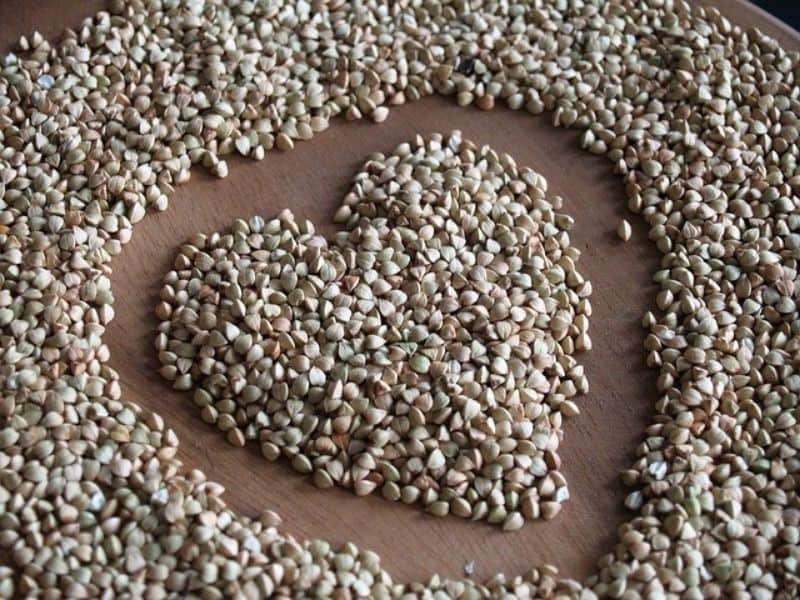
Buckwheat is highly nutritious and packed with plenty of vitamins. It is also free of gluten. Keep reading to learn more about this pseudo-cereal.
Origin and History
Buckwheat has been grown in northern China since 4000 BCE. Its origins have also been traced to southwestern China and the Himalayan/Tibetan region around 2000 BCE.
From China, buckwheat spread all the way to the Caucasus regions of Europe and east to Japan.
By the 8th century, buckwheat was extensively produced as a crop in Japan. The early European colonists introduced the seed to America, where it was most commonly grown in the northeast and northwest parts of the country.

Buckwheat had its highest production in 1886 when people often used it to make flour and animal feed.
By the 20th century, buckwheat and other rotational crops saw a decline because of new farming methods that focused on boosting the yield of staple crops like wheat, corn, and rice.
Along with buckwheat, Einkorn Flour is a lesser-known wheat product. Learn more about Einkorn Flour as a non-hybridized wheat!
Buckwheat became popular again as a gluten-free flour in the late 20th century.
The Health Benefits of Buckwheat
Buckwheat is a great energy source in its whole-grain form. It has lots of resistant starch and fiber.
These nutrients help prevent a quick rise in blood sugar after meals. Buckwheat groats, or boiled kernels, have over 6% resistant fiber, which makes them more filling than grains like wheat or rice.
This quality makes buckwheat a good choice for weight loss diets. The seeds also contain prebiotics that can boost your immune system.
Buckwheat is a good source of B vitamins and a number of minerals, including manganese, magnesium, copper, iron, and phosphorus.
It is also rich in plant-based proteins containing all of the nine essential amino acids that are not produced in our bodies.
Nutrients in Buckwheat from WebMD!
Is Buckwheat Gluten-Free?
Yes! Here’s the simplified content:
The buckwheat seed is gluten-free and can replace wheat or barley in many recipes.
While it might be a great choice for people with gluten allergies or celiac disease, you must make sure the buckwheat seeds or flour do not contain any wheat. Plus, always, always, check with your healthcare provider before trying anything new!
Better Heart Health with Buckwheat
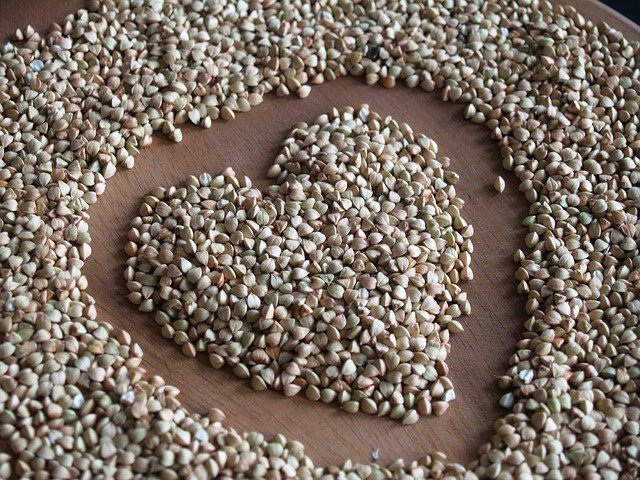
Buckwheat contains bioflavonoids, particularly rutin, which can lower LDL cholesterol. They also help prevent blood clots and varicose veins, improving heart health.
These compounds may strengthen small blood vessels and reduce bruising.
Related Reading: Nutrients & Health Benefits in Buckwheat
Antioxidant Compounds
This pseudo-cereal is a good source of antioxidants, like oligomeric proanthocyanidins. These compounds may help protect cells from damage caused by free radicals and inflammation.
There is much available information on the significant health benefits of buckwheat.
How to Use Buckwheat
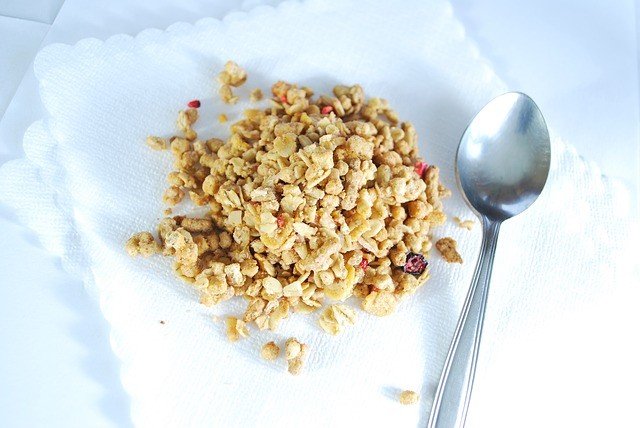
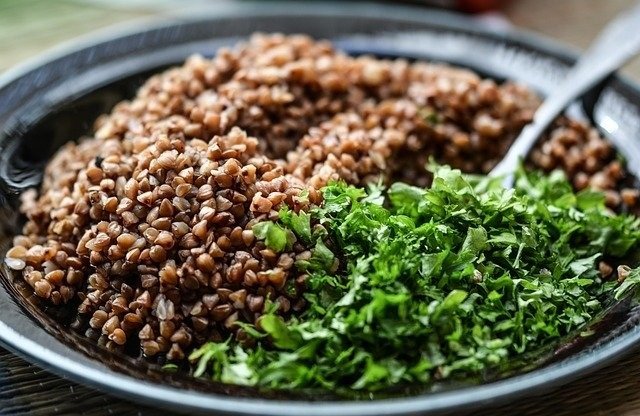
Related Recipe: Gluten-Free Breakfast Mix (just add a little bit of cooked buckwheat groats for a super nutritious breakfast or snack!)
Buckwheat is a multipurpose pseudocereal used in a variety of ways. It is fairly easy to work with and is available in the form of raw or toasted groats, as well as flour and noodles.
Here is a great buckwheat granola recipe that you must try!
Toasted groats have a stronger flavor and are often added as a delicious salad topping. Boiled groats are great to make a grain-free, hot breakfast cereal.

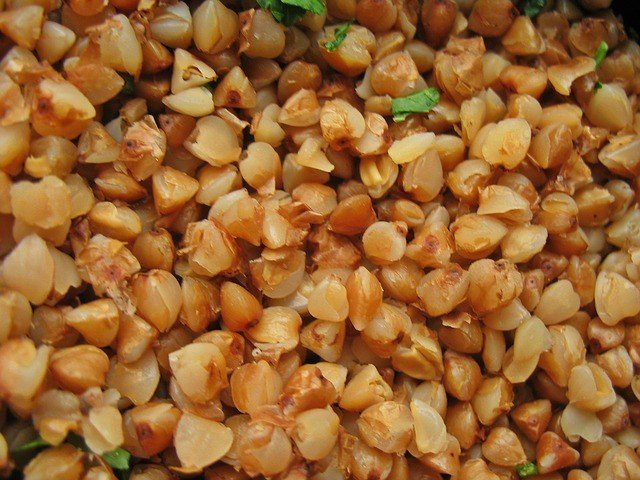
To Cook the Groats for a Hot Porridge or Kasha (side dish)
- 1 Cup Buckwheat Groats – well rinsed……This is an important step!!!
- 2 Cups of Water
Bring the 2 cups of water to a boil. Add the 1 cup of rinsed buckwheat groats—simmer for about 20 minutes until soft.
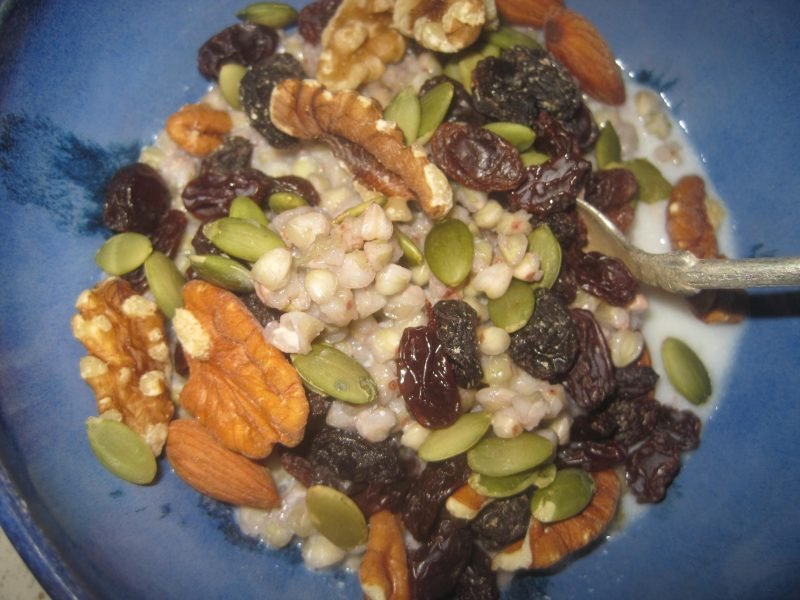
The cooked seeds will be ready to eat as a hot cereal with butter, honey, coconut sugar, or sweetener of choice. Consider adding raisins, dried fruit, and nuts, if desired.
Also, serve kasha as a side dish like rice or quinoa with butter, Bragg’s Liquid Aminos, soy sauce, or a little pink Himalayan salt. Leftover buckwheat also makes a very nice, healthy addition to soups and casseroles.
Pro Tip: Do not add the buckwheat groats to the cold water. Make sure to bring the water to a boil before adding the groats.
Then, proceed to simmer for 20 minutes. I learned the hard way by adding the groats to the cold water, and the cooked buckwheat was mushy!!!
Buckwheat flour is widely used to prepare bread, cookies, muffins, pancakes, and more. It is a healthy alternative to all-purpose wheat flour.
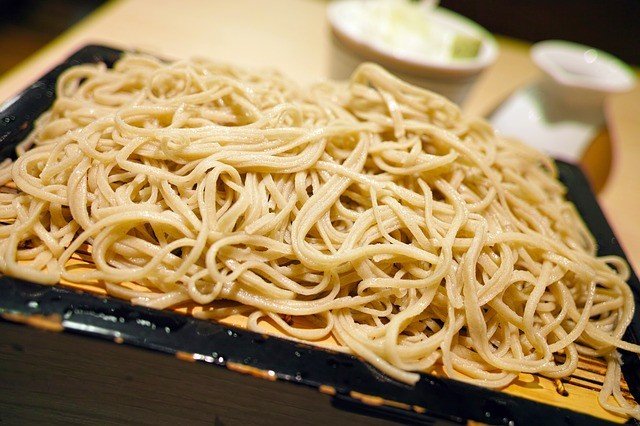
Soba noodles are a staple food in Japan. These noodles are made from buckwheat flour, but some varieties will have a combination of buckwheat and wheat flours.
Soba noodles are high in protein and phytonutrients.
Learn More about Buckwheat:
How and Why to Use Buckwheat Flour in More of Your Baking
To add buckwheat flour to a recipe, replace about 25 percent of the wheat flour with buckwheat flour. This adds extra nutrition to your baked goods and treats!
20+ Trusted Buckwheat Recipes You Must Try
Pin It for Safe Keeping!!
To Sum Up
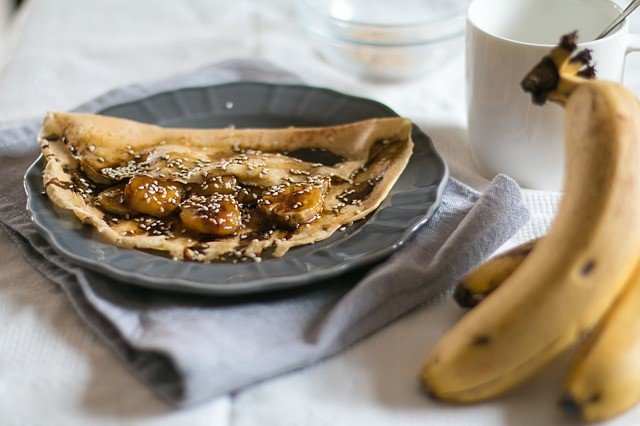
Buckwheat is a multipurpose grain and can be used in many different ways. In India, it is often made in the form of a flatbread and eaten with cooked vegetables. In France, it is made into crepes.
The new trend is to use buckwheat flour for making muffins, cookies, bread, and other snacks. Buckwheat has quickly gained the super seed status, and rightly so.
Its numerous health benefits and gluten-free status make it a must-have for those who want to eat healthy.
So, from porridge and kasha to casseroles and soups, this “new” ancient grain has an esteemed future in the art of clean, healthy eating.
These new trends recapture the wisdom of ancient grains; consider further research as you learn more about buckwheat!
Disclaimer: As with any new foods, vitamins or supplements, you must do your own research. Always check for allergies or speak with your healthcare provider before eating new things.