How to Wash & Store Fresh Eggs | You’ll Be Surprised!
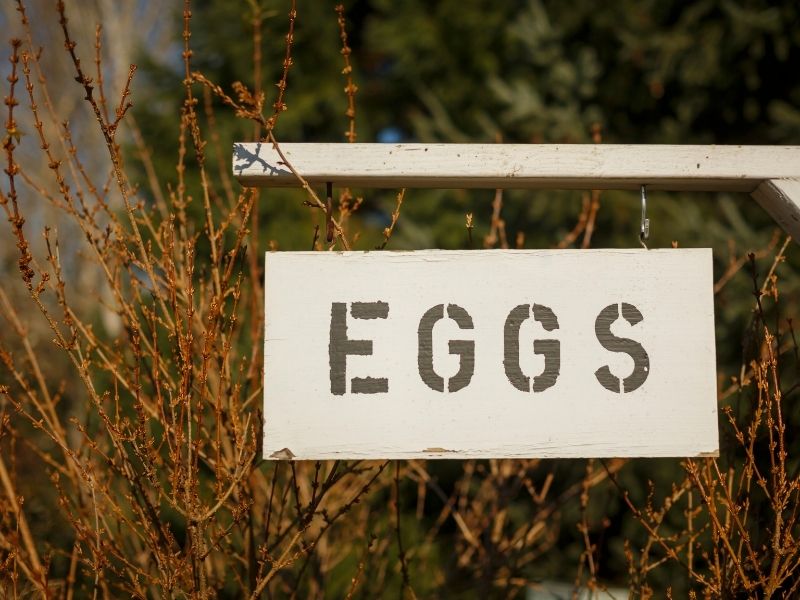
If you have chickens or know a farmer that raises laying hens, you likely enjoy fresh eggs. Here’s a guide on how to wash and store farm eggs so they stay fresh as long as possible. Read on to find out how to wash chicken eggs, if and when it is even necessary!

How Do You Clean Fresh Eggs
Did you know that fresh eggs have a natural coating that protects them from bacteria? This natural coating is called bloom. This naturally occurring bloom protects the eggs from bacteria as well as from moisture loss.
If some of my eggs are dirty, I gently wipe them with a damp cloth before putting them in the fridge. I use cool water and dry the eggs immediately. There’s no need for hot water, soap, vinegar, or bleach.
You don’t have to wash the egg completely; just remove the dirt. Mark the washed eggs so you use them first. You can date them with a pencil to ensure they get used sooner.

Are Fresh Eggs Stored at Room Temperature?
You might have heard that fresh eggs can be kept at room temperature. Is that true? Yes, it is! Fresh eggs can stay at room temperature for days or a couple of weeks if their shells are unbroken. You often see unwashed eggs on display at roadside stands because they have a natural protective layer.
If eggs have been washed, you should put them in the refrigerator right away. Washing removes that protective layer.
Importance of the Natural Protective Layer
As mentioned above, when hens lay eggs, during the final stage, a light coating called protective bloom covers the egg. This coating seals the pores of the eggshell and protects the egg from bacteria. This bloom or cuticle also helps keep the egg fresh by preventing moisture loss.

Washing eggs removes this protective layer, making them spoil faster at room temperature. That’s whythe USDA mandates the pasteurization of eggs toeliminate pathogens in washed eggs.
Interestingly enough, this bloom naturally protects the eggs of mother hens while they are laying a clutch. The bloom ensures that the developing chick stays safe while it incubates.
The bloom also helps keep an unfertilized egg fresh longer, as it prevents the egg from losing moisture and getting contaminated.
Main Q&A on Washing and Storing Fresh Eggs:
1. Can Fresh Eggs Be Stored at Room Temperature?

Unlike commercial eggs, fresh eggs can stay at room temperature for approximately 2 weeks as long as it is not extremely hot. However, this only applies to fresh eggs that are unwashed. When fresh eggs are washed or rinsed, they aren’t able to survive room temperature for as long of a period and need to be refrigerated right away. That is, if you even purchase fresh eggs from a farmer’s stand or market, make sure you ask them whether they are washed or unwashed.
So, if the eggs have been washed, remember, you’ll have to store them in a refrigerator right away to keep them fresh.
2. When is a good time to wash fresh eggs?

Wash your fresh eggs just before you use them. If they are dirty, clean them and refrigerate immediately. Unwashed eggs can stay fresh at room temperature for 2-3 weeks or longer. If you are concerned about the freshness of your eggs, do the simple fresh egg float test!
3. How to Wash Eggs From a farm?
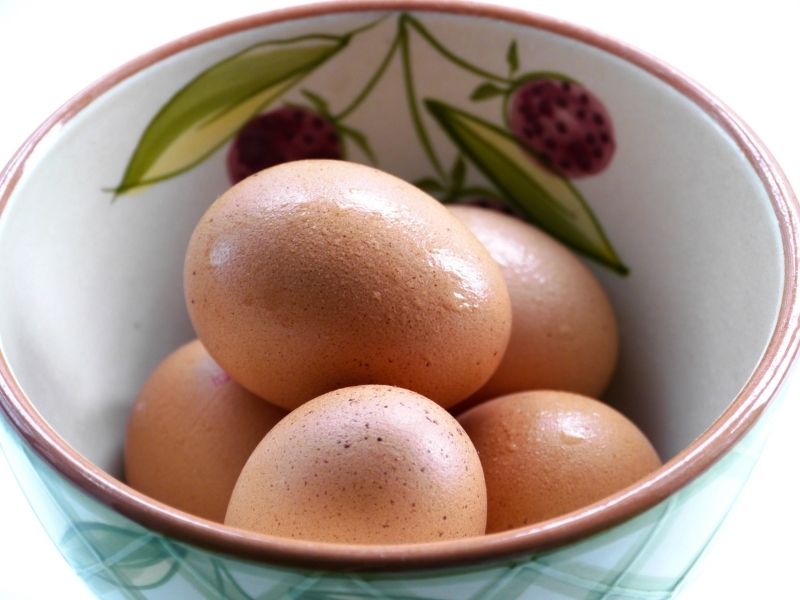
Washing fresh eggs is simple. Rinse them under warm water and rub off any dirt. Do not use soap or harsh chemicals. Word of advice: use only water, as this is enough! Plus, you don’t need to use harsh materials like bleach or vinegar.
Final Thoughts on How to Wash an EGG!
- Fresh eggs don’t need to be washed if there are no cracks in the eggshell.
- However, if you want to wash them, simply use a damp cloth to wipe them clean. Remember, no soap or solvents are needed.
- Make sure you store washed fresh eggs in a refrigerator to ensure they stay fresh and don’t spoil.
- And, just in case you want to start your own flock for homegrown eggs, check out these breeds for the best laying hens ever… and then don’t forget your egg basket!!


You May Also Enjoy More Posts on Eggs:
- The Secret to Perfect Hard-Boiled Eggs Every Time!
- Do You Need Roosters for Chickens to Lay Eggs?
- So, When Do Chickens Start to Lay Eggs & How to Tell
- 13+ Things Chickens Should Not Eat

Disclaimer: this article is for informational purposes only. Always do your own research to verify the best practices for food safety. Go to ask.USDA.gov/ for more information on egg safety.