How to Use a Neti Pot at Home | For Colds & Flu

A traditional neti pots resemble a small teapot with a long spout as a natural way to address allergy symptoms or nasal congestion. This type of ceramic neti pot is used as a nasal rinse to irrigate your nasal cavity to clear out a blocked nose and clogged airways.
Neti pots are one of the traditional home remedies for colds and flu people have used for centuries, with origins traced to ancient Ayurvedic practices.
These at-home remedies are for information only. Even though Neti Pots are available over-the-counter, we are not recommending you try this device without discussing its benefits and concerns with your healthcare provider first.
How to Use a Neti Pot: Prep and Procedure
Here is the information from WebMD on how to properly use a Neti Pot to help with further information.
Extremely Important: Never use tap water or well water in a neti pot.
Distilled water or sterile water is the only safe way to use a neti pot. If you do not have distilled water or sterile water, then do not use a neti pot.

This type of nasal irrigation system can be useful for nasal congestion and sinus rinsing. Instead of using a nasal spray for a stuffy nose, you may want to try a nasal irrigation device like this first.
Of course, always check with your doctor or other healthcare provider, especially if you have chronic sinusitis.
There are many different types of neti pots for saline rinses. Please note: you must follow the manufacturer’s instructions when dealing with sinus symptoms.
The following quote is from my dear friend…
I started using a neti pot almost 15 years ago as I heard it would benefit my chronic sinus infections, use it daily and won’t be without one…..I even purchased the plastic travel one and love it as I no longer have to rely on Sudafed to help relieve the congestion. It works!
Cindy
Like many old remedies, the process might sound odd, but it’s highly effective for relieving sinus congestion in your sinus passages.
You use a saline solution (aka saltwater) and add it to the neti pot. Then you simply flush your nostrils over the sink.
Continue reading to find out exactly how this works.
While you can find nasal irrigation kits online, it is just as easy to make a saline nasal solution at home.
Here is the salt water ratio recommended by the American Academy of Allergy, Asthma, and Immunology for the saltwater solution.
I cannot make any guarantees, but this may work for you when treating recurring sinus issues as well as the common cold at home.
Like my friend, Cindy, it has worked wonders for her!
What You Need for a Traditional Neti Pot:
- 1 Traditional Style Neti Pot
- 1/2 teaspoon salt, non-iodized like this Extra Fine Himalayan Pink Salt
- 1/3 teaspoon of baking soda
- 1 cup distilled water (8 oz)
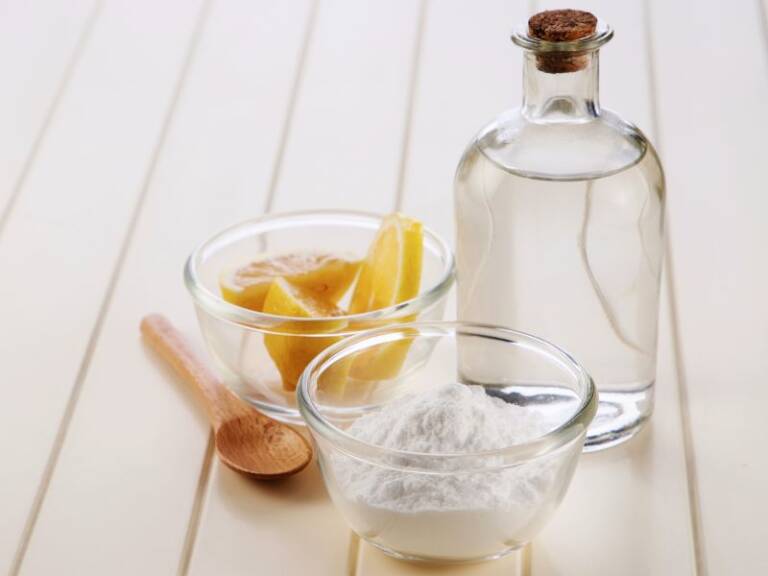
Combine the salt and baking soda in a clean container or flip top jar. Make sure there are no clumps.
Follow the Steps as Outlined Below:
What You Need for a Convenient Neti Squeeze Bottle:
- A Convenient Plastic Neti Bottle
- 1 packet of pre-mix sinus rinse
- 1 cup distilled water (8 oz) warm but not hot water
I happen to really like using this type of Neti Bottle which is an updated version of a traditional Neti Pot.
This is a sinus rinse bottle that offers a large volume but with low pressure sinus irrigation that is quite easy to use.
If you decide to make your own saline solution:
- 1/2 tsp salt, non-iodized like this Extra Fine Himalayan Pink Salt
- 1/3 tsp of baking soda
Follow the Steps as Outlined Below: follow your neti pot manufacturer’s instructions
Method:
- Add the salt and baking soda mixture (or the pre-mixed sachet) to a sterilized container.
- Measure one cup of lukewarm or room temperature distilled water.
- Add this warm water to the salt and baking soda mixture.
- Stir until the baking soda and salt dissolve completely.
- Pour the saline solution into a clean (and dry) neti pot or bottle.
- Always double-check water temperature before using.
- Take the neti pot to a sink and get into position by tilting your head sideways so one of your nostrils is above the other. *See photo below.
- Carefully bring the neti pot’s spout closer to your upper nostril. Don’t press the spout against the septum, as that might cause discomfort. (Breath through your mouth).
- Tilt the neti pot to pour the saline solution into the upper nostril.
- Let the solution trickle out the nostril below.
- Repeat steps 3-6 a couple of times for the same nostril.
- Switch nostrils by turning your head to the other side and repeat steps 3-6.
- Or, switch back and forth between nostrils. See what works best for you.
- Once done, blow your nose and gargle with lukewarm water to flush out salt residue from your throat.
- Remember to clean your neti pot before and after use to minimize exposure to germs.
Do this once or twice a day for 3 to 4 days for best results.
Do not continue more than 4 days without checking with your healthcare practitioner.
To Make a Larger Quantity of the Salt/Baking Soda Mixture:
- 1/2 cup fine salt, non-iodized
- 1/3 cup of baking soda
Combine the salt and baking soda in a clean container or flip top jar. Make sure there are no clumps. Store in a dry place.
Use approximately 1/2 teaspoon of this mixture to 8 oz of warmed distilled water. Always use distilled or sterile water and never plain water.
 *Proper Position for Using a Neti Pots with Long Spouts
Benefits of Neti Pot: How Does It Help Treat Flu and Sinuses?
When it comes to home remedies for flu, I keep a neti pot, and my homemade cough drops handy to fight off the common cold.
WebMD lists the benefits of using a neti pot. The saltwater helps clear your blocked nose and reduce congestion. Sinus rinses can also assist with sinus issues.
But, as previously mentioned, always check with your healthcare provider first.
Here’s a closer look at the advantages:
- It reduces congestion and improves breathing.
- Rinses and clears out mucus from the nasal passage
- Alleviates sinus pressure
- Works well for upper respiratory problems that cause mucus build-up (including chronic sinus, allergies, common cold, and other infections).
Best of all, it’s a safe and non-invasive alternative to over-the-counter medicines that contain sedatives.
The latter means you won’t feel extra drowsy when relying on nasal irrigation treatment to alleviate congestion.
Possible Side Effects and Risks: Is a Neti Pot Safe?
You might need some adjustment time to get used to the odd sensation.
I have had some stinging when I did not follow the directions!
Make sure to use lukewarm or room temperature distilled water and the homemade mild saline solution or the little pre-mixed packets.
If you are making your own saline solution and it stings or triggers a burning sensation, you should reduce the amount of the salt/baking soda mixture you use in your solution.
Alternatively, you might experience ear pain, or the saltwater might cause you to gag or cough.
Typically, this happens when the water goes down your throat instead of the other nostril.
Use this guide to learn how to use a neti pot correctly.
In addition, start slow by rinsing your nose once or twice before increasing the frequency of usage.
How to Use a Neti Pot

The Neti Pot is a traditional home remedies for colds and flu people have used for centuries.
Instructions
- Add the salt and baking soda mixture (or the pre-mixed sachet) to a sterilized container.
- Measure one cup of lukewarm or room temperature distilled water.
- Add this warm water to the salt and baking soda mixture.
- Stir until the baking soda and salt dissolve completely.
- Pour the saline solution into a clean (and dry) neti pot or bottle.
- Always double check water temperature before using.
- Take the neti pot to a sink and get into position by tilting your head sideways so one of your nostrils is above the other.
- Carefully bring the neti pot’s spout closer to your upper nostril. Don’t press the spout against the septum, as that might cause discomfort. (Breath through your mouth).
- Tilt the neti pot to pour the saline solution into the upper nostril.
- Let the solution trickle out the nostril below.
- Repeat steps 3-6 a couple of times for the same nostril.
- Switch nostrils by turning your head to the other side and repeat steps 3-6.
- Or, switch back and forth between nostrils. See what works best for you.
- Once done, blow your nose and gargle with lukewarm water to flush out salt residue from your throat.
- Remember to clean your neti pot before and after use to minimize exposure to germs.
Notes
Do this once or twice a day for 3 to 4 days for best results. Do not continue more than 4 days without checking with your healthcare practitioner.
So What Can You Use?
According to FDA (Food and Drugs Administration), you can use:
- Filtered water to eliminate infectious/harmful microorganisms
- Distilled/Sterile water available in stores
- Tap water that has been boiled for 3-5 minutes to kill germs
Store the water in a clean container and keep it covered to prevent contaminants entering. Moreover, avoid using cold water or boiling water for nasal irrigation as extreme water temperature can cause discomfort.
Is It Safe for Children?
Yes, you can use a neti pot to treat flu and seasonal allergies experienced by children aged two and above.
Be sure to ask your pediatrician to be on the safe side (especially if your child has severe respiratory issues).
You can teach your child how to use a neti pot through a live demo or YouTube tutorial (featuring a child).
These demos will allow them to get used to the process and clear any doubts about this odd-looking device.
Always supervise the process (or pour the water carefully yourself) to prevent mishaps.
>Word to the Wise: You should always discuss using nasal irrigation with your primary healthcare provider as a precaution. Professional consultation ensures that this type of home remedy is suitable for your condition.
Additionally, teaming traditional treatments (like the neti pot) with medicines can help you recover faster and better. Always read the manufacturer’s safe practice for any type of nasal saline irrigation practice.
In a Nutshell
Nothing’s worse than a cold during the holidays. It dampens the mood and turns anyone into a Grinch, especially around the holidays. It is so wonderful to have additional home remedy ideas to stay healthy.
That’s why learning how to use a neti pot can be a lifesaver whenever you feel under the weather, or your sinuses make an unfavorable appearance.
As you can see, the procedure is relatively simple.
It only requires a few staple ingredients and a good old neti pot.
If you don’t own a neti pot, you can use other nasal irrigation devices (like a nasal mist) to add moisture to your nasal passages, but in my opinion, a neti pot works best because it’s more manageable.
Wishing you a cold-free and flu-free season ahead!

Disclaimer: This information is for educational purposes only. Always verify with your Healthcare Practitioner prior to using any devices like a neti pot.
These statements have not been evaluated by the Food and Drug Administration. In strict accordance with FDA regulations the information and products on this website are not intended to treat, cure, prevent, mitigate or diagnose any illness or disease.