6+ Simple Tips & Ideas for Planning Healthy Meals

If you want to focus on your well-being, then healthy eating will play a huge role in your daily life. This is where planning healthy meals is so important.
When it comes to making smart dietary choices, healthy cooking tips, and meal planning are a must.
Planning Healthy Meals
Meal planning is simply creating an organized system that works to get healthy meals on your table more efficiently. Get a jump on it today!
To help you get off to a good start, we’ve rounded up six healthy meal planning tips and ideas!

1. Create a List for Your Favorite Healthy Recipes
Most households have 8 to 10 recipes they use repeatedly. Start with this list for your healthy eating plan. It will help you stick to a healthy diet because you’ll always have options, and you’ll develop a habit of cooking healthily.
You can search online for easy, healthy recipes. Try different meals and choose the ones your family likes best. This is your first step toward planning healthy meals.
After cooking for over 40 years, I’ve noticed that I prefer simple, whole foods. Basic dishes often provide the most satisfaction.
You don’t need fancy sauces or ingredients. Find what works best for you. As you practice, you’ll develop your own cooking style.
The best part is when you no longer need to rely on your favorite recipes because you’ve built your own cooking skills! It’s exciting to reach that point! You’ll know when you get there.
This is especially easy when you learn more about superfoods and keep them in your kitchen!
Important Tips When Getting Started:
- If you are planning healthy meals for your whole family, make sure everyone likes the recipes you list down. (at least most everyone likes them; some exceptions will need to be made for individual tastes and/or allergies.)
- Pick recipes that have common ingredients and maybe a few specialty things that are important to you and your family’s taste.
- Include recipes with leftovers that can be easily used the next day. For example, stir-fried vegetables can be added to salads, omelets, or soups, and roast chicken can be used to make sandwiches for the next day’s lunch.
- Your recipes should have a healthy proportion of nutrients. 1/3 healthy carbs that focus on whole grains and pulses, 1/3 lean protein and good fats—include a variety of protein sources throughout the week to include chicken, turkey, fish, beans, nuts, seeds, and eggs, but make sure to avoid saturated fats—and add 1/3 vegetables and fruit.
- Also, look at this fantastic resource on non-meat protein sources!
Just for Fun……..Check this Out!
Check your daily nutritional values on Cronometer! Enter your food choices and amounts to make sure you are getting important vitamins, minerals, amino acids, essential fatty acids, and more! Cronometer is a fantastic free resource!
2. Make Your Weekly Meal Plan Over the Weekend
Create a weekly meal plan over the weekend that suits you. Use the same recipes regularly. To make it easier, assign a theme to each day.
For instance, make Mondays about vegetables and beans, Tuesdays for fish and salads, and Wednesdays for leftovers from earlier in the week. If you are a chart and list person or just need some extra help, take a look at these great charts and lists on healthy meal planning.
If you feel more comfortable with a book on meal planning, then you must take a look at The Healthy Meal Prep Cookbook to give you a great framework. It is also available as a Kindle book!
Simple Easy Weekly Dinner Menu Ideas: approx ~ 1/3 ~ 1/3 ~ 1/3~
| Sunday | Baked Lemon Chicken | Rice or Quinoa | Leafy Lettuce Salad w/ Grated Carrots |
| Monday | Meat Loaf | Baked or Mashed White Sweet Potatoes | Steamed Broccoli w/ Mushrooms |
| Tuesday | Tortillas Pizza | Various Toppings | Fresh Salad w/ Tomatoes |
| Wednesday | Homemade Chicken Soup | Crackers | Fresh Apple Slices |
| Thursday | Crockpot Roast | Potatoes & Carrots | Fresh Spinach or Green Salad |
| Friday | Hamburgers | with Buns or Bread | Lettuce, Tomato, Carrot & Celery Sticks |
| Saturday | Fajitas w/Beans or Meat | Grated Cheese | Lettuce, Tomatoes, Olives, etc |
Easy Recipes
- Baked Lemon Chicken
- Easy Family Meat Loaf
- Easy Tortilla Pizza
- Homemade Chicken Soup
- Crockpot Roast with Potatoes & Carrots
- Fajitas with Beans
3. Stock Your Staples
Once you have your list of healthy recipes ready, take a few minutes to plan your month. Staple items, such as whole grains, meat, pasta, brown rice, eggs, cooking oil, seasonal veggies and fruits, and almond milk, should always be in your pantry and refrigerator.
So, you need to work out your grocery shopping frequency according to your consumption.
This means that even if you don’t have your weekly meal plan ready, you can still take a quick look at what’s in your fridge, pantry, and freezer and then cook accordingly.
Having staples and products that you use on a regular basis makes cooking at home so much easier.
Pro Tip: Look at #9 in Homestead Skills Done Anywhere for a list of handy pantry items.
4. Pre-cut Your Vegetables and Fruits

While creating your list of favorite recipes, you will also get an idea of which vegetables or fruits you need most frequently. If you can precut your veggies, it will save you a lot of time and hassle later.
They are also great for preparing quick side dishes, stir-fries, and desserts. You can even get pre-cut vegetables and vegetable mixes directly from the grocery store, though they might be a bit more expensive. But sometimes this is the best way to go if you only need a small amount.
Overview of possible fresh veggies & fruits for your shopping list:
- Leaf Lettuce
- Leafy Greens like Spinach
- White Sweet Potatoes or Regular Potatoes
- Celery
- Carrots (Baby or Whole)
- Cucumbers or Zuchinni
- Mushrooms
- Green Onions and/or Whole Onions
- Tomatoes (Whole or Cherry)
- Green, Red, Orange or Yellow Peppers
- Apples
- Bananas
- Oranges or Tangerines
- Red or Green Grapes
- Your Favorite Weekly Picks
Pro-Tip: white sweet potatoes can be boiled, baked and mashed. White Sweet Potatoes are packed with lots of vitamins and minerals and are super healthy!

Watch for Sales and Specials on Seasonal Fruits:
- Avocados
- Kiwi
- Watermelon
- Peaches, Plums & Nectarines
- All Kinds of Fresh Berries (Learn the Easy Way to Freeze Berries!)
- Cantaloupe and Honeydew Melons
- In-Store Specials
5. Use Herbs and Spices to Your Advantage
Healthy meals do not have to be boring and bland. There are plenty of dried herbs and spices that can add delicious flavors and aromas to your healthy dishes. The best part is that they are virtually calorie-free and offer several health benefits.
Some good options are cilantro, bay leaves, oregano, cayenne pepper, cinnamon, lemongrass, dill, etc.
Quick Guide to Understanding Different Herbs & Spices
Create or buy a budget program like Money Saving Worksheets from Victoria Pruett for only $18 to help with meal planning. This is a must-have resource!
6. Find Your ‘Star’ Ingredients
There are some ingredients that are both super healthy and can be smartly used to give life to leftover food. One such ingredient is tahini. You can spread it on sourdough, use it with sautéed vegetables, blend it into hummus or a smoothie, or mix it with Greek yogurt to prepare a sauce for fresh vegetable sticks.
Another option is the miso paste. Miso paste is rich in umami flavor, and miso soup is really popular among the clean eating community. However, the paste can also be used as a salad dressing, for marinating meat, drizzling over vegetables, and preparing sandwiches.
It can be stored in the refrigerator, and it can last for ages. You can pick an unpasteurized version for added probiotic benefits.
Never heard of Umami? Take a look here for an organic umami blend!.
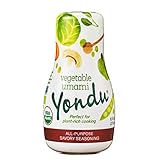

Make sure to have liquid aminos or a non-soy-based coconut aminos on hand, too! This is a wonderfully simple ingredient that is used in place of soy sauce. This is the main seasoning that is used in my crockpot venison roast. I also will use liquid aminos in my homemade gravy recipe. It adds a little more flavor instead of just plain salt and also adds a nice rich brown color to gravies.
Liquid aminos offers a substitute for soy sauce and can be used in all types of dishes and even as a salad dressing. Important information on liquid aminos.
Just remember that it is salty, so only use a 1/4 teaspoon at a time on salads or vegetables!
To Sum Up
The right mix of foods and some intelligent meal planning can help you pave the way for a healthy lifestyle. Follow these healthy meal planning tips for better and more wholesome meals… Remember, simple is best!!!
Please Pin for Safe Keeping!

Make Your Menu Plan and Write It In Your Journal!