Grass Mulching Benefits for Healthy Lawn
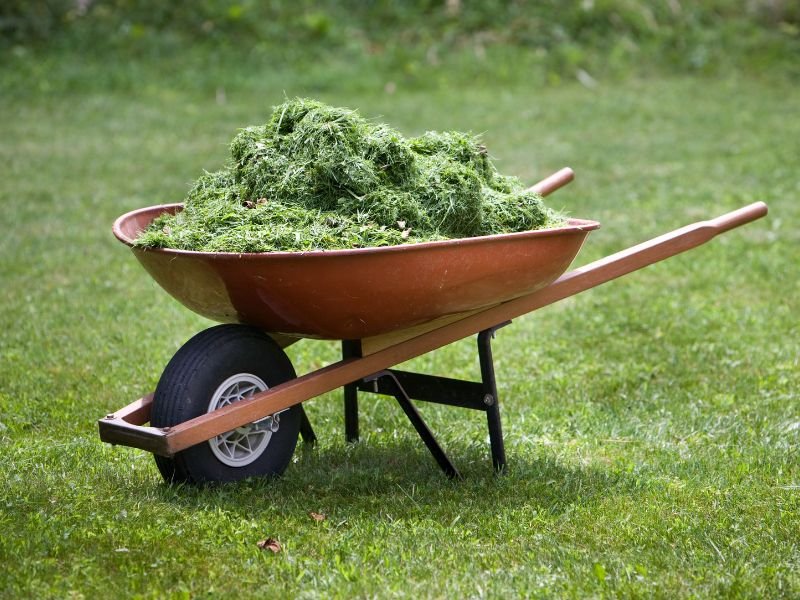
Many people wonder if they should bag grass clippings or mulch them. There are strong opinions on both sides, but I believe mulching is the better choice for several reasons.
Mulching adds nutrients and moisture to the soil, which makes your lawn healthier and greener. It also reduces mowing time because the mower puts grass clippings back into the lawn, where they become a natural mulch and decompose quickly.
I usually mulch when I mow and only use side-shoot clippings for short to medium grass. Letting your lawn grow tall makes mowing harder for you and your mower. (By the way, I really enjoy mowing! ♥)
We ran a lawn care service for several years. Some customers were committed to having us mulch their clippings, while others preferred us bagging them.
In our own lawn care, we always choose to mulch!
Grass Mulching Benefits & Why It Is Important
In fact, it’s been shown that mulching lawn clippings can provide your lawn with 25% of its annual nitrogen requirement. (this is wonderful news)
As the clippings break down, worms and helpful bacteria eat them, which boosts the variety in your lawn’s ecosystem and helps it grow better.
Cutting your grass doesn’t have to be complicated. Many people mulch their gardens and make compost from yard waste. So, mulching grass clippings makes sense. It’s an easy process you can do while you mow.
Try mulching and see how it improves your lawn’s health and look! First, check what type of grass you have to ensure it works well with mulching, then adjust your lawn care accordingly.
Definition and Purpose
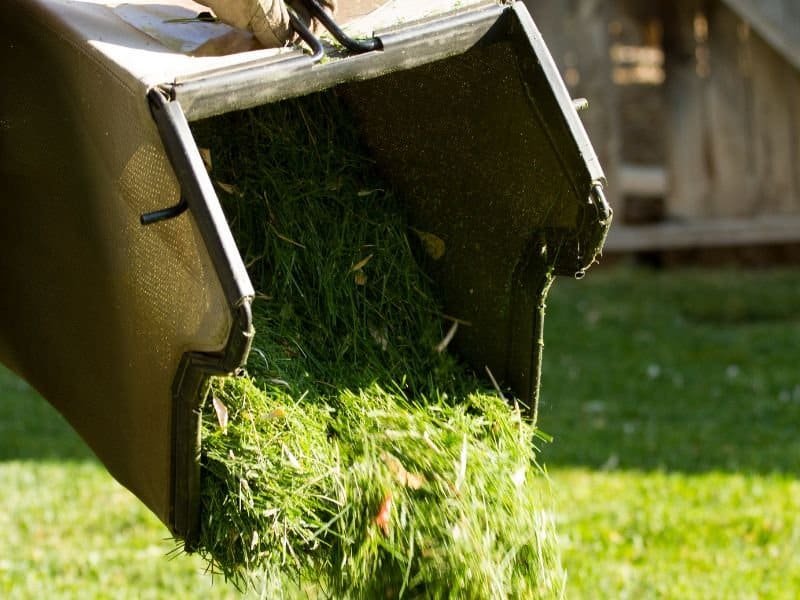
A mulching mower chops grass clippings into small pieces and spreads them on the lawn instead of collecting them.
The main goal of mulching grass cuttings is to keep soil moist, lower yard waste, control weeds, maintain soil temperature, and add nutrients to the soil as the clippings break down.
By mulching your lawn, you help create a healthier environment for your grass to grow over time. There are various kinds of mulches available.
Organic Vs Inorganic Mulches
There are many different types of mulches.
organic Mulch
These materials decompose over time, returning important nutrients to the soil. Some sources suggest that 40% of its annual lawn fertilizer especially the nitrogen requirement.
They also help soil life by encouraging the growth of helpful bacteria, fungi, and earthworms.
Inorganic mulches are made from synthetic or mineral materials.
Non-Organic Mulch
Inorganic mulches don’t provide the same nutrients as organic ones, but they help control weeds and keep soil moist by shielding it from sun and wind.
Some inorganic mulches, like plastic and rubber, can be harmful to the environment because they might release toxic fumes.
When choosing mulch for your lawn, think about your lawn’s needs, how it should look, and the local ecosystem.
Organic mulches are usually best for most lawns because they add nutrients and support healthy soil.
However, in places with many weeds or special design needs, inorganic mulches can be a good option.
Top Benefits of Grass Mulching
Weed Control
Grass mulching helps control weeds. It creates a layer of organic matter on the soil, blocking sunlight from reaching weed seeds. This makes it hard for them to sprout and grow, cutting down on the need for weeding or chemicals.
Moisture Retention
Using grass clippings as mulch helps your garden keep moisture. It reduces evaporation and protects the soil from heat and wind, which helps retain moisture.

Ways Grass Clipping Mulch Helps
Mulching with grass clippings puts important nutrients, like nitrogen, back into the soil. These clippings also feed helpful bacteria, fungi, and worms, which support a healthy soil ecosystem and boost plant growth.
Temperature Regulation
Grass mulch helps keep soil temperature steady. In hot weather, it cools the soil to protect plant roots from overheating. In winter, it insulates the soil, keeping temperatures stable and shielding roots from freezing.
Erosion Prevention
Grass mulch acts as a barrier against soil erosion. It absorbs the impact of heavy rain, reducing the force of water on the soil. This protects soil particles from washing away and maintains your lawn’s structure.
Cost Savings
Using grass mulch improves your lawn’s health and saves money. The clippings serve as natural fertilizer, which may lessen the need for store-bought fertilizers.
Saving Time
Grass mulching also saves time. A mulching lawn mower mulches while you mow. By improving soil conditions, your yard will require less maintenance over time.
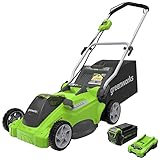

Electric Mulching Mower

Gas can for Gas Mower
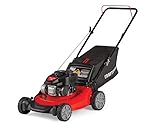

Gas Mulching Mower
Using Mulching Lawn Mower
I use a Husqvarna riding mower for the main part of my yard, but there are also good walk-behind and self-propelled mowers. A mulching lawnmower is a smart choice for your lawn’s health.

If you’re not mulching grass clippings, make a compost pile.
Creating a compost pile is a fantastic way to recycle your grass clippings and other yard waste. Learn more about starting a compost pile today!
Challenges and Solutions with Mulching:
Avoiding Sour Mulch:
Sour mulch happens when organic materials in mulch lack oxygen, creating harmful chemicals that can hurt your grass.
Mulching has benefits, but be aware of challenges like thatch buildup, pests, and anaerobic decomposition.
Thatch Buildup:
Thatch is a layer of dead grass and debris that can harm your lawn. It can attract pests and diseases. If it gets thicker than 0.5 inches, dethatch your lawn to improve air and water flow.
Pathogens and Pests:
Mulching can attract pests or mold. To reduce this risk, avoid clumping grass clippings, which can create moisture for mold. Keep an eye out for pests like white grubs or cutworms and treat infestations quickly.
Anaerobic Decomposition:
This happens when grass clippings break down without enough oxygen, causing bad smells and harmful chemicals. Make sure your lawn drains well, and avoid mowing when it’s wet since wet clippings clump together and decay slowly. Aerate your soil if you find areas with poor oxygen flow.
By tackling these challenges, you can make sure your grass mulching is effective and beneficial.
Top Tips to Remember
Since mulching offers an eco-friendly alternative to disposing of your grass clippings, it is an excellent way reduce, reuse and recycle. My advice is to try mulching, as:
Mulching hits all the following points….
In Conclusion:
In summary, fertilizers, bagging lawn clippings, and herbicides can help with lawn care, but grass mulching is a great way to improve soil quality for a beautiful lawn.
Grass mulching is easy, practical, good for the environment, and saves money! Just make sure to check your grass type to ensure it’s safe to mulch.