
Create an Emergency Kit for the Unexpected Emergency!

Every year, families around the world have to leave their homes quickly due to emergencies. Now is the time to create an emergency kit to be ready for the unexpected! These emergencies can be natural disasters like floods, hurricanes, and wildfires. It’s important to create an emergency travel kit now!
This is a serious message about making an emergency kit, whether it’s a grab-and-go bag or a kit for your home.
We all live in places that face natural threats, like tornadoes, earthquakes, winter storms, and power outages. Read on to learn how to better protect yourself and your family: Create Your Life-Saving Emergency Kit Today!
GET STARTED: Create an Emergency Kit Today!
If you’ve experienced a crisis, you know how crucial it is to have an emergency travel kit ready. During evacuation, things can get chaotic.
It’s hard to think clearly when fear takes over.
Preparing a family survival kit ensures everyone has basic necessities for a few days in tough conditions.
Keep reading to find out how to prepare your family’s emergency travel kit.
Pro-Tip: Always keep a list of emergency items at home for power outages, winter storms, tornadoes, hurricanes, earthquakes, and other disasters. Being prepared at home and while traveling is essential.
Related Post: How to Prepare for the Unexpected Emergencies.
One more Pro-Tip: this is the perfect personal project, family project, classroom and homeschool project. This is a win-win for everyone! Start today!
You May Also Enjoy:
- Winter Emergency Car Kit – Necessary Supplies to Keep in Your Car
- HEATING WITH WOOD: Top Tips for Your Woodstove
- 6 Healthy Food Staples Every Kitchen Pantry Should Have
- Helpful Old Fashioned Practices that are Used Today
Here’s a list of some bare basics when you create an emergency kits.
1. Water
Water is one of the basic needs for sustaining life, and nearly any kind of emergency situation can impact your family’s access to clean water.
You should have at least one gallon of clean water on hand for each member of the family per day.
Since this amount may not be practical to carry, it’s better if you invest in portable filtration systems or water purification tablets, which will enable you to have access to clean water as long as you have a water supply.
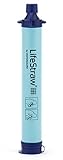
Pro Tip: Make sure to get a LifeStraw Personal Water Filter for each member of your family. This is the best price I can find.

2. Food
If a natural disaster cuts off power, most grocery stores and restaurants will close. You can survive without food for a bit, but eventually, you’ll need to eat.
Pack non-perishable food that can provide enough energy for you and your family for at least three days.
Good options include energy bars, dried fruits, beef jerky, and canned goods.
If you have young children, make sure to have enough baby food. You can also prepare your own freeze-dried meals.
And, do not forget emergency pet food and supplies when creating an emergency kit.
Planning ahead can save a lot of heartache.
Helpful Tip: High Energy Foods like:
- Mountain House Freeze Dried Meals
- Clif Bars
- Freeze Dried Fruit
- KIND Bars
- Gummy Vitamins for Kids
- Gummy Vitamins for Adults
- Natural Honey Sticks – { Quick picker-upper plus Honey never spoils }


3. Portable Lights & Communication Devices
Every single family member should have their own portable flashlights on hand so nobody is fumbling around in the dark. LED lights work best.
You can also get ones with rechargeable batteries that are long lasting.
A hand-powered NOAA weather radio is useful in your emergency kit. It helps you stay updated on weather changes and important news.
Many of these radios now combine features like lights and chargers, so you can carry fewer devices.
Helpful Tips: Flashlights can even get charged by your car battery through a USB cable.
Always keep a set of spare batteries with you.
Check out the Fos Power Emergency Solar Hand Crank Portable Radio. It’s great for home and outdoor emergencies and has a phone charger.


4. Thermal or Reflective Blankets
Carrying full sleeping bags may be an impractical and cumbersome option, especially if you have a lot of members in your family.
A lighter alternative that must go into your emergency kit is mylar thermal blankets or bags.
These are lightweight, waterproof, and windproof, and they can reflect as much as 90% of your body heat. Therefore, they can keep you warm even in the harshest weather conditions.
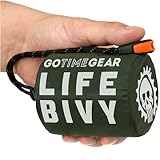

Helpful Tip: Keeping reflective blankets is even better as they’re super effective in trapping your body’s heat and keeping you warm.
.Gov Emergency Kit Ideas
5. Sanitary Basics
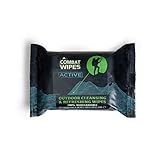
Stock up on items such as baby wipes, combat wipes, hand sanitizers, personal hygiene products, and garbage bags to avoid getting sick as a result of catching infections due to unsanitary conditions.
You can also carry some household chlorinated bleach, as it can be dissolved in water to prepare a disinfectant solution. This is perfect to add when you are creating an emergency kit.

6. Water Proof Container
A waterproof container or other types of sealable containers to keep important documents like IDs and insurance policies safe and dry.
You also need them for storing perishable items like baby food or medicines.
These containers fit easily in your backpack and offer better protection than regular bags.


7. Medications
If you or any of your family members are on certain medications, an adequate supply of those medicines (at least 3-5 days or more, depending on your healthcare professional’s advice) should go into your emergency kits.
You should store basic medicines like fever reducers, painkillers, antacids, nasal sprays, and eye drops. Don’t forget to add items for specific needs. When making an emergency kit for your family, think about what each person needs.
Also, keep one or two bottles of bug spray or insect repellent to protect against mosquitoes and ticks, along with sunscreen.


8. Important Papers
Make copies of all important documents and keep them in a safe. Keep these papers handy so you can quickly grab them in case of emergency evacuation.
Store your originals in a safety deposit box or in a home safe that is fireproof. Keep your copies in your grab bag.
It is best to keep these copies just as safe in a fireproof and waterproof pack.
These papers include:
- Driver’s license
- Property Deeds
- Will and/or Trust
- Property & Liability Insurance Policies
- Medical records & Vaccine Records
- Passports
- Social security cards
- Birth certificates
- Important Personal contacts – Addresses and phone numbers
- Pet & Livestock Records for vaccinations and medical history
Extra Essentials:
- Tactical Pants
- TOUGH-GRID Para Cord
- Tactical Knife
- Emergency Sleeping Bag with Hood
- Storm Proof Matches with wax paper for firestarter
- Wool socks, underwear, pants & shirt
- Go Time Gear Life Tent Emergency Survival Shelter
- Rubberized Work Gloves
- Rain Gear
- Compact Tissue “Coins” for Hygiene perfect for your purse, backpack + vehicle
- Compressed Toilet Paper “Coins” these are so cool and so compact!
- Hand Warmers and Foot Warmers


Always Be Prepared with an Emergency Grab Bag:
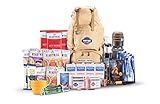
Amazon has a really good 72-hour survival grab bag for 4 people. If you don’t have time to make an emergency kit or a survival bag, this is a good choice. A quick grab bag is smart to have. Check out the 4-person bag here.
72 Hour Survival 4-Person Grab Bag:

72 Hour Survival Kit for 2 People:
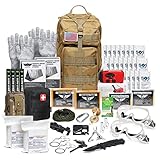

DOG – 72 Hour Large Dog Evac Kit:


CAT Emergency Survival Kit for Evacuation:


To Wrap it Up:
No one wants to think about their family in an emergency, but emergencies do happen.
Being ready for them can help reduce stress. This emergency kit list will prepare you and your family for any crisis.
I hope this helps you start thinking about and preparing an emergency grab bag for you and your family.
Stay alert and prepared! Situational awareness means being aware of your surroundings to keep yourself and your family safe.
Now is the time to create an emergency kit with items specific to your family members, so it’s ready when you need it!

Disclaimer: These suggestions are opinions only, so please do your own research. As with all products, it is your responsibility to read the manufacturers’ information on proper use of their products for your own safety.
The suggestions listed here are for products that might be useful but that also must be carefully evaluated by you for your particular situation and needs.