
Do You Need Roosters for Chickens to Lay Eggs?

Raising farm fresh eggs isn’t just about producing wholesome food; it’s a lifestyle that connects us back to nature, teaches us patience and perseverance, and rewards us with deliciously fresh eggs straight from your own backyard.
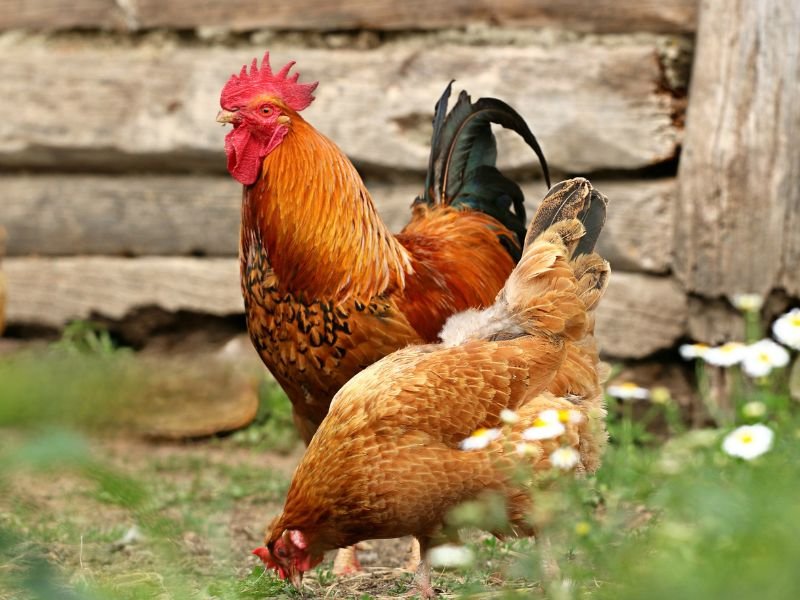
But, you may be wondering if you need roosters for chickens to lay eggs….
Do Chickens Need a Rooster to Lay Eggs?
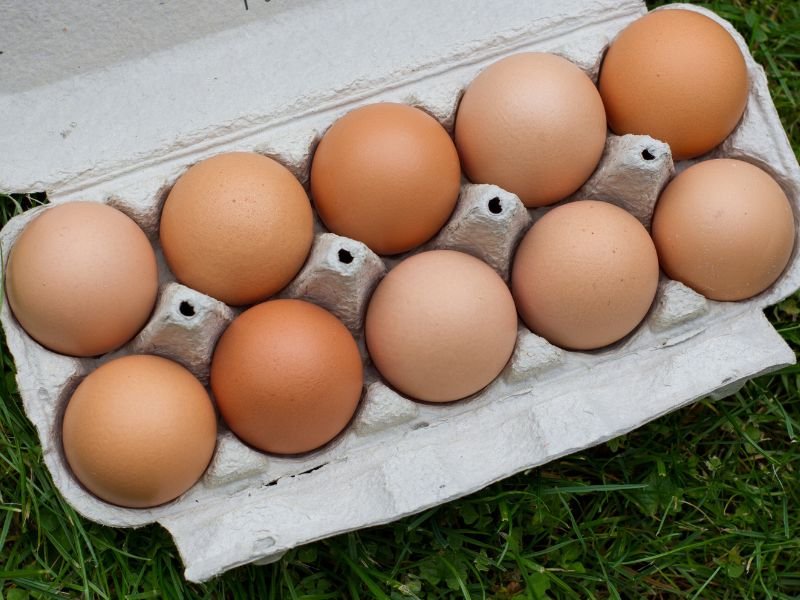
Chickens lay eggs whether or not there is a rooster.
Roosters are needed only if you want fertilized eggs to hatch chicks. If you plan to hatch chicks, keep about one rooster for every ten hens.
If you have more than one rooster, make sure they get along. But remember, roosters are not needed for hens to lay eggs!
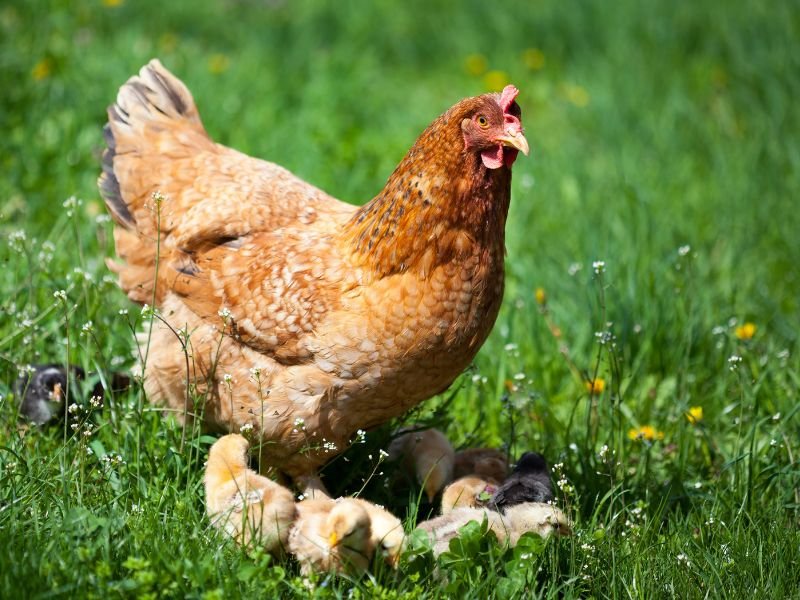
Key Takeaways: do chickens lay eggs without rooster?
- Roosters Not Required: Hens do not need a rooster to lay eggs; they’ll do so independently.
- Fertilized Eggs: Roosters are essential for fertilized eggs, which can then develop into chicks, but not for actual egg production.
- Egg-laying Basics: The egg-laying process in hens is innate and will occur regardless of a rooster in the coop.
The Roles of a Rooster in a Flock
Roosters strut around, leading with confidence and providing a sense of security that’s hard to match with just a flock of hens.
Their sharp eyes and instinctive ‘danger calls’ keep potential threats at bay, safeguarding the hens in ways we often don’t notice.
This is quite amazing, as roosters will make a loud squawking noise when they see large birds circling overhead.
This cry of alarm actually sounds like they are saying, “HAWK!” “HAWK!”
The hens instinctively know what this warning means: the roosters are shouting for the flock to run for cover!

Yet, it’s not just about protection. A rooster brings balance to the flock’s social dynamics.
Imagine them as the referees of the backyard, intervening in hen disputes and maintaining a semblance of order.
With a rooster around, you’ll often observe a more structured, organized flock—something that can make life in your coop run smoother.
So, while they may not contribute directly to the egg count, roosters enrich the flock in their own distinctive ways.
Their presence adds layers of complexity to the flock’s behavior, creating an environment where the hens thrive, produce eggs reliably, and live relatively stress-free lives—all thanks to the oversight of their vigilant guardians.
But, it is not required for you to have a rooster for your chickens to lay eggs!
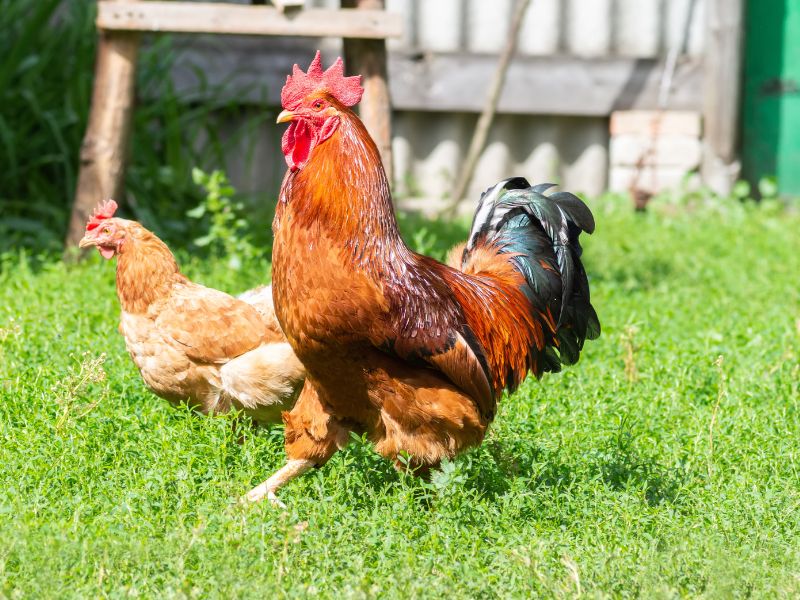
Selecting and Introducing a Rooster
So, you’re planning to introduce a rooster to your brood? Let’s tackle this step-by-step.
01. Start with a quarantine phase. This isn’t just a safety net for your flock’s health; it gives the new guy time to settle in.
02. A solid thirty days away from the hens minimizes the risk of disease spreading and provides a buffer for any stress-related behaviors to surface.
03. Next, shift gears to the ‘look but don’t touch’ method. Picture a see-through barrier where your rooster and hens can see each other without any physical interaction.
04. This eases tension and cuts down the risk of aggressive welcomes. Over a week or so, observe their reactions. Friendly clucks? You’re on the right track.
05. If feathers get ruffled, though, you’ll need to tread carefully—safety first, always.
06. Pay close attention to the newcomer’s temperament. Just like people, every rooster has a unique personality. You want a fellow who’s attentive, but not aggressive; protective, but gentle with the hens.
07. And the hens’ response to him? Equally telling. They’ll let you know if he’s a good fit or if you need to rethink the match.
08. Remember, peace and balance within the coop are what we’re after here.
Alternative Solutions for Excess Roosters
If you order straight-run chicks, you might find yourself with more roosters than you want or need, which can be a problem. So, you wonder, “What do I do with these extra guys?”
Raising your extra cockerels (male baby chicks) for meat birds is the best way to go! They make wonderful fryers at about 8 to 12 weeks. Their size and weight will depend on the breed.
To keep these birds from turning their coop into a battlefield, introduce them all at the same time. Accomplishing this reduces the chances of establishing a rigid pecking order that could trigger aggressive behavior toward a new addition.
Make sure their living space is roomy to prevent crowding and stress, provide plenty of roosts for everyone, and separate food and water stations to discourage competition.
Helpful Chicken information:
- So, When Do Chickens Start to Lay Eggs & How to Tell
- 13+ Things Chickens Should Not Eat
- Chicken Round Up: for all the top information
- Tips for Raising Baby Chicks for Beginners
- 10 Chicken Breeds with Feathered Feet for Your Flock
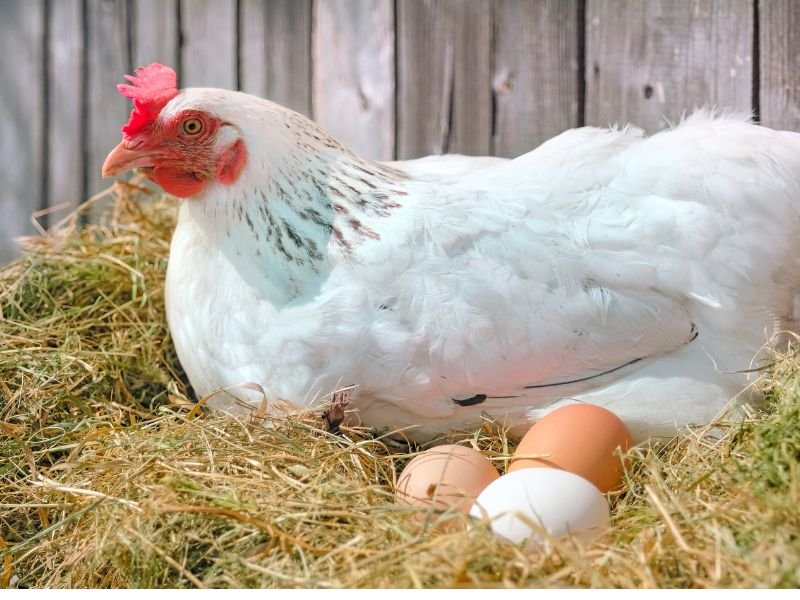
Main Takeaways: Do You Need a Rooster for Chickens to Lay Eggs?
Myth-Buster: Roosters & Egg-laying Explained





Thanks for the information , I was useful
Glad that you found it help…Thanks!