
Garlic & Garlic Scapes: A Delicious Early Garden Crop

Garlic is popular around the world. You can enjoy it as mature cloves or as a spring and summer treat with sautéed garlic scapes. Learn how to grow, use, and preserve garlic and garlic scapes.
Garlic bulbs can reproduce by planting individual cloves or seeds from the flower heads.
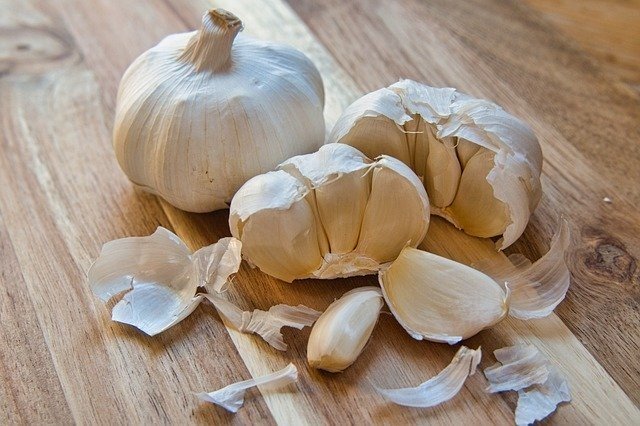
These bulbs consist of flavorful cloves that are loved globally.
GARLIC SCAPES
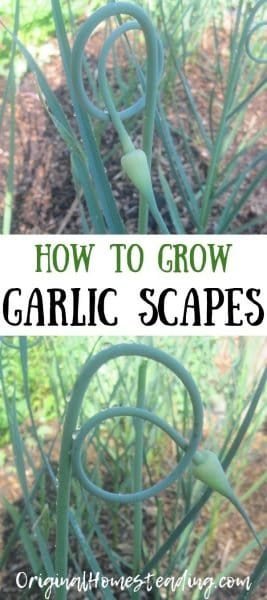
Garlic scapes are the lesser-known treat of early spring. These stems grow from the center of the garlic plant and support the seed heads.
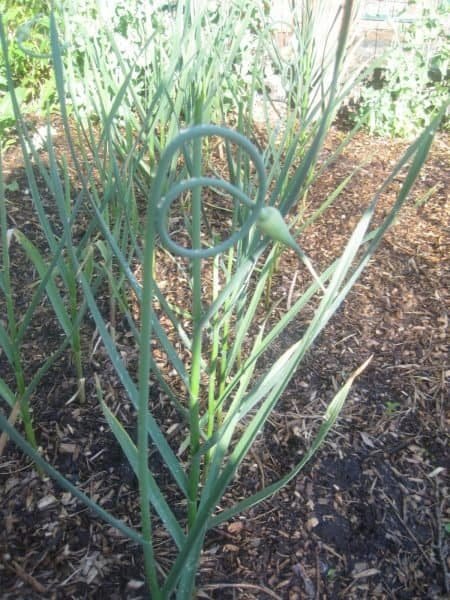
These magical-looking garlic stems are the lesser-known early spring treat. The flowering stalks grow out of the middle of the garlic plant and support the seed heads.
THE GARLIC BULB:
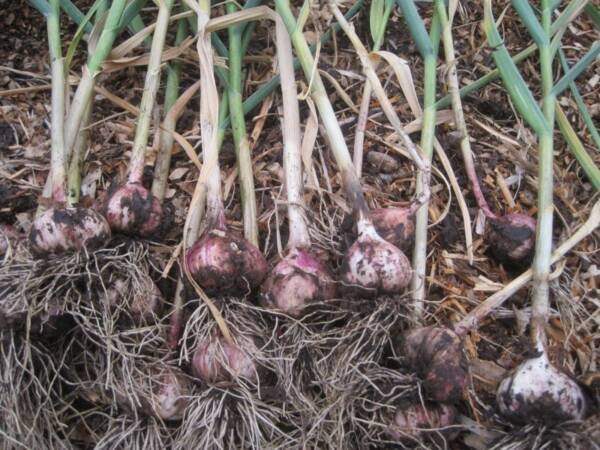
Garlic cloves are usually planted in the fall with other bulbs like tulips, irises, and daffodils. Although fall is the recommended time, I have successfully planted garlic in the spring, even in our cold, wet spring weather at 7000 feet.
How to Plant Garlic
The best time to plant garlic is in the cool fall months before it freezes. Start by separating the garlic bulbs into individual cloves.
Make sure your soil is rich. Here’s How to Improve Your Garden Soil in 4 Easy Steps.
Next, drill or dig small holes about 2 inches deep and 6 inches apart. Place the garlic cloves in each hole with the root end down and the pointed end up. Space the rows 18 to 24 inches apart.
Cover each clove with 2 inches of soil and press lightly to hold them in place.
Water lightly and add 4 to 6 inches of mulch. Mulch protects the cloves as they grow roots and during winter.
Garlic will start growing in early spring in most areas. If you didn’t plant your garlic in the fall, you can still plant it in the spring!
Follow the same steps but use less mulch.
Related Post from Mulch for Garden Success
Mulch makes gardening easier by holding moisture in the soil and stopping weeds from growing. Spreading wood chips in rows and walkways helps a lot.
You can really see how much more moisture the soil has where there are wood chips compared to the walkways without them. If you have enough wood chips, spread some on the walkways to prevent mud. This creates nice paths.
FLOWER AND SEED HEADS:
As garlic grows, it first sends roots out from the base of the cloves. Next, the cloves produce leaves.
These leaves are thick and flat. Soon, you will see a round stalk growing from the center of the plant.
This round stalk is the start of the flower head. It will grow taller than the leaves.
The flower stalk has a unique appearance, especially because it forms a complete circle.
Watch for this circular growth of garlic scapes; it shows that the bulbs will be ready to harvest in one to two months.
HARVESTING:
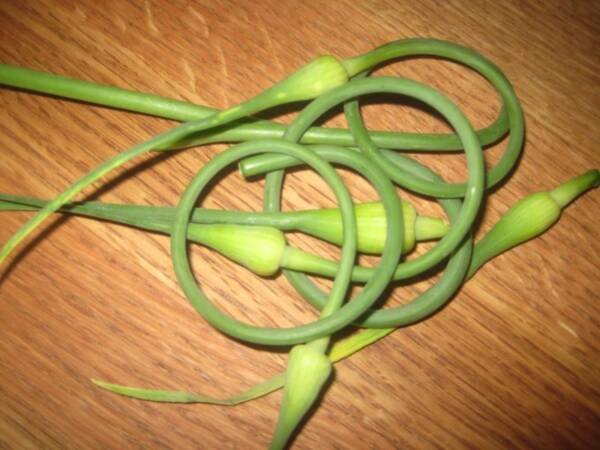
Once you see the garlic scapes, you can start harvesting the flower stalks.
It’s crucial to harvest these stalks. This helps direct the plant’s energy into developing the garlic bulbs instead of making flowers and seeds.
Plants use a lot of energy to flower and produce seeds. By removing these stalks, you help the plant focus its energy on growing bigger bulbs. Plus, there’s a tasty bonus…
BONUS: GARLIC SCAPES
One great perk of growing garlic is the delicious garlic scapes. These beautiful stalks have a mild garlic flavor and are a treat!
They are a great first spring garden feast, along with spinach and lettuces! This is a wonderful way to enjoy your garden’s harvest while also supporting a healthy main crop.
HOW to USE in COOKING:
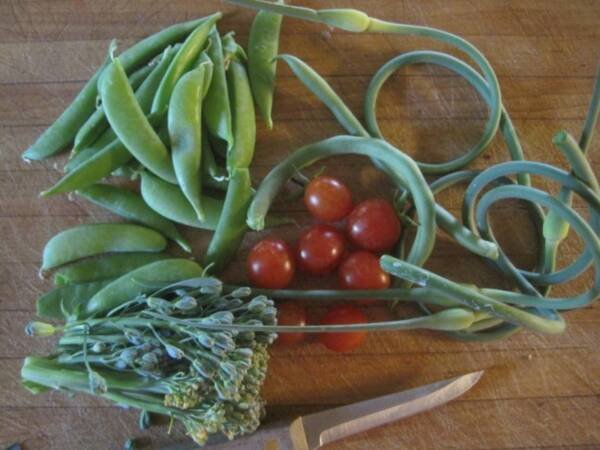
Garlic scapes are a delicate addition to any sautéed dish. After harvesting your scapes, wash and slice. Sauté in avocado oil or butter to add a hint of garlic flavor.
Scapes are less pungent than the garlic from a clove. They can also be added to any type of dish. Plus, they are perfect when lightly steamed and added to a fresh garden salad or steamed and eaten like asparagus.
FREEZING:
Scapes are super easy to freeze! Simply pick, rinse, chop, and freeze…make sure to spread the chopped scapes evenly on a baking sheet or cookie sheet so you can freeze them individually.
After spreading them evenly on your cookie sheet, just pop them in the freezer for 3 to 4 hours. Remove from the freezer and quickly put in freezer bags, plastic freezer containers, or glass jars and label.
Place immediately back into the freezer. By freezing the scapes individually, they are super easy to take out just what you need at the time without having to thaw an entire batch.
Grab a tablespoon or a handful for any recipe calling for garlic!!! Perfect for soups, stews, stir fry, casseroles, dips, etc. Very convenient and handy!
Harvesting Garlic Bulbs
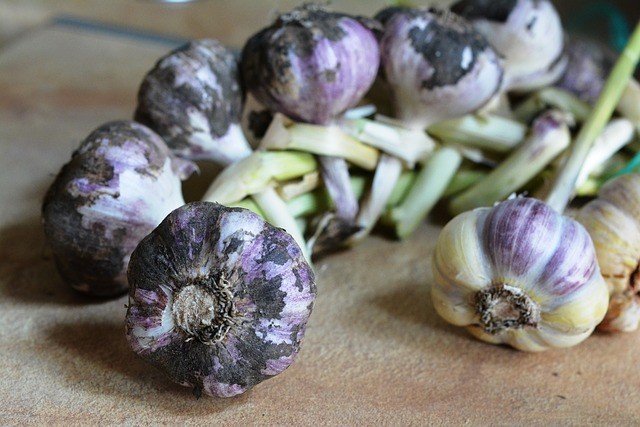
As mentioned above, the actual garlic bulbs will be ready to pull up about 1 to 2 months after the scapes have curled. Your garlic will be ready to harvest when most of the leaves have started to fade and turn yellow and brown.
Garlic is ready to harvest in mid-June to late July depending on your growing zone. When the leaves have started to fade, dig your garlic bulbs, being careful not to injure or bruise them.
Important Tip: Do not leave the garlic bulbs in the ground for too long, as they will begin to spread out and separate and possibly try to start growing each clove.
The entire plant needs to air dry with good circulation to harden the outer skin for storage. Lay out flat in the shade or in a shed or garage for 2 weeks to dry.
Tie approximately 12 plants together with twine and hang them from the rafters or ceiling in a dry, dark place or root cellar to encourage good air circulation for better storage.
You can also make a garlic braid if you are so inclined to do so. Take a look here to find out how to braid garlic for easy storage in your kitchen!
FINAL THOUGHTS:
Growing garlic and garlic scapes is more than just getting the final product; it’s about the fun of taking care of a plant from bulb to harvest. So take some cloves, dig in the dirt, and enjoy the journey!
HAPPY GROWING!!





I love using garlic scapes…it’s nice to have the garlic flavor early in the season when you don’t have mature bulbs for cooking!
Garlic Scapes seem almost magical as they grow and curl; such a wonderful early garden treat! Thanks for writing!