
Growing Lettuce & Greens: How to Grow Lettuce

Lettuce and greens are easy to grow, taste fresh, and are very healthy. Here are some simple tips for growing lettuce with little effort.
GROWING LETTUCES & GREEN
Simple Steps to Growing Great Lettuce
Start your gardening journey with easy-to-grow greens like Cut-and-Come Again lettuce, chard, spinach, kale, and mesclun. These are great choices for new gardeners who want to grow lettuces and greens without feeling overwhelmed. Pick varieties that suit your growing zone. Make sure you have good soil and provide enough water and sunlight!
First, look at your space and see which option fits best.
- An apartment balcony works great for small containers.
- Use the porch, deck, or patio for larger planters and containers.
- Consider a small backyard garden spot.
- Or, choose a larger garden space if you have it.
You can also start growing lettuce in a small pot on your windowsill or in patio containers or even grow bags!
- Growing a Victory Garden at Home in Containers & Pots
- Gardening Grow Bags & Growing Pouches are Fabulous!
- Plant a Kitchen Garden | Grow a Potager’s Garden
And the next steps are:
- Start by choosing the types of lettuces and greens you like to eat. Grow what you enjoy or what you can sell.
- Think about your location, including your growing zone, sunlight exposure, and how long your growing season lasts.
- Plan how to keep pests and animals out of your garden. Don’t forget that pets can also be a problem.
- Find out what type of soil you have. You can use soil test kits or reach out to your local NRCS, Soil Conservation Office, or Extension Office for help.
- Decide how you will prepare the ground for planting.
- Determine what type of nutrients and soil amendments will need to be added.
For our growing zone in western Wyoming, I must start many of my plants indoors under a small grow light or in the greenhouse prior to transplanting them outside.
Some of the best Lettuce varieties are:

Start indoors, then transplant later:
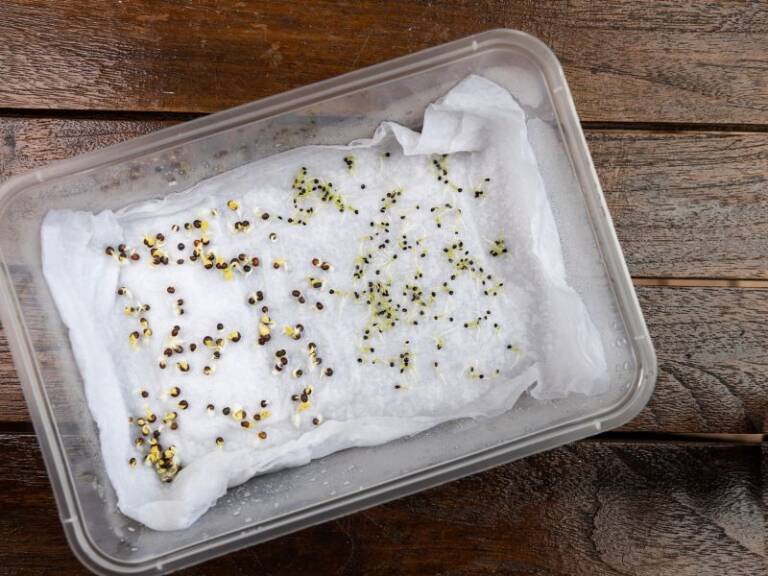
You can start your seeds indoors and then move them to a greenhouse or plant them directly in the garden. To start planting in early spring, I use a Grow Light System (Stand, Fixture & Tube), as shown in the photo above.
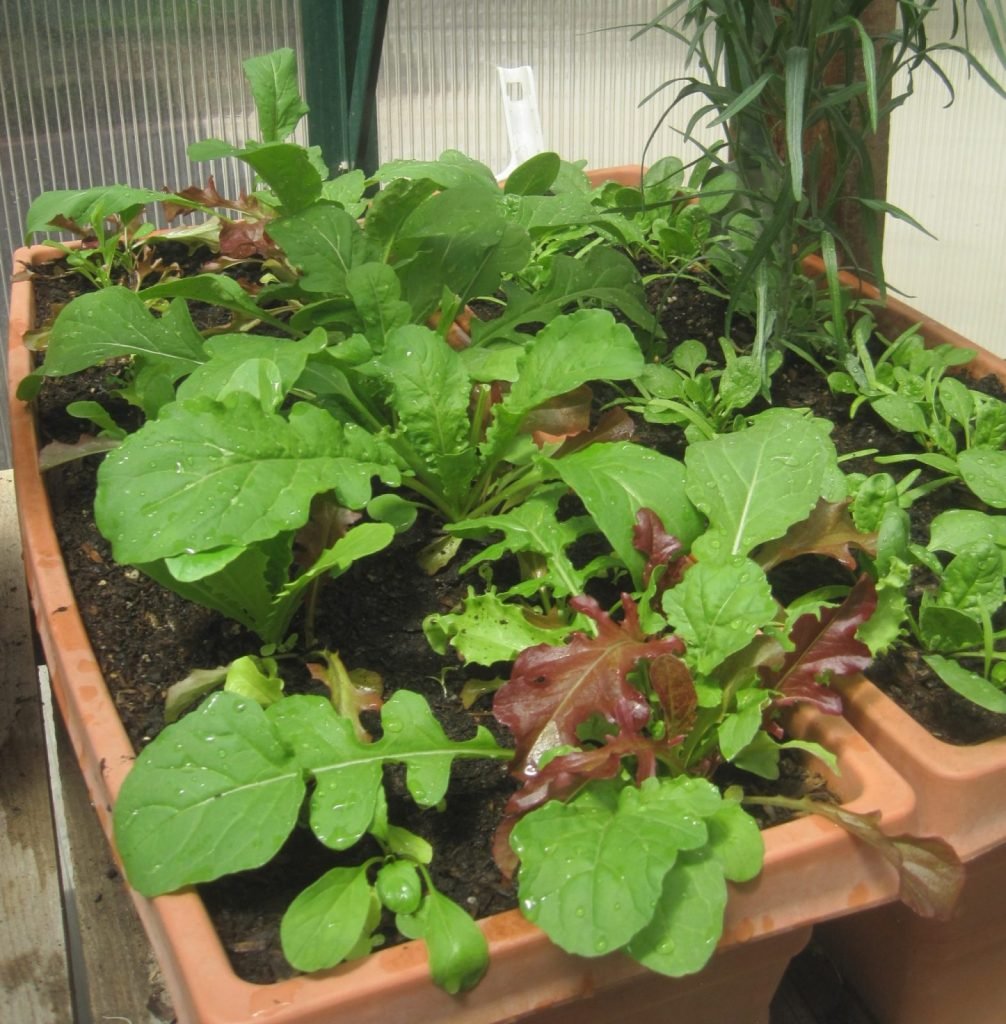
I grow my seedlings indoors in mid-February and March. The photo below shows different types of lettuces, chard, and kale. However, you can also grow greens on a sunny windowsill.

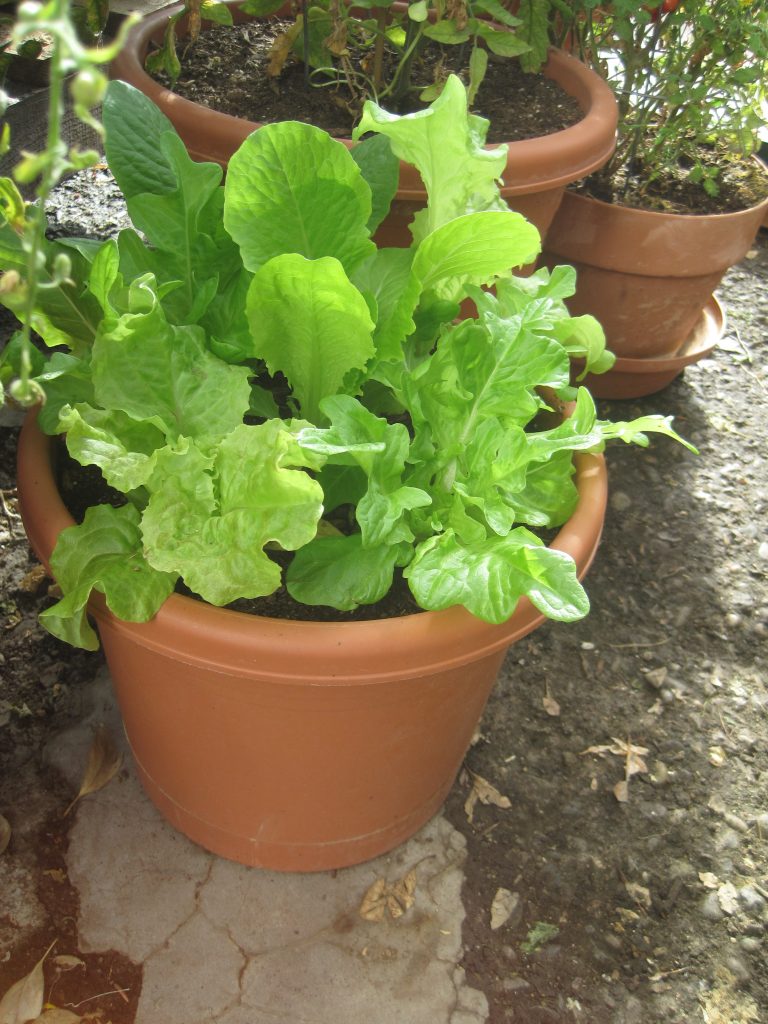
After the risk of hard frosts is gone, move the seedlings outdoors or into a small greenhouse. Growing lettuces, kale, and chard in flowerpots is simple.
These “Cut and Come Again” lettuces are tasty and great for salads and sandwiches. It is great fun going to the greenhouse to pick fresh lettuces and greens for dinner!

Planting Hardy Varieties of Greens
Plant robust types of lettuce, spinach, kale, and chard directly in your greenhouse or cold frame if possible.
As mentioned above, if you can’t use a greenhouse, start your seeds under a grow light and then move them to a sunny window. Just make sure they have enough light, or the seedlings will get leggy, which means they grow too fast and too tall trying to reach for the light. Leggy seedlings become weak and spindly and cannot hold themselves up properly.
Lehman’s also offers reliable tools to help you simplify your life, whether you’re raising chickens or planting a garden.
The Backyard Homestead Seasonal Planner
Stagger Plantings for a Longer Growing Season
Stagger your plantings between indoors, the greenhouse, and direct seeding. This way, you can enjoy fresh greens all summer.
In late summer, plant more lettuce and greens in your greenhouse. This will provide fresh salad greens into the fall before the first hard frost.
3 Ways to Harvest Your Lettuce and Greens:
- Pinch off each individual leaf.
- Cut the lettuce leaves off about 2 inches above the ground.
- Pull the complete plant out, roots and all.
After you pick your lettuce and greens, rinse them gently with cool water to avoid bruising.
You can rinse, soak, spin, and crisp your lettuce and greens in one salad spinner. This is the best kitchen tool! I use this salad spinner for washing all my lettuces and greens. Here is my favorite Green OXO Good Grips Large Salad Spinner.
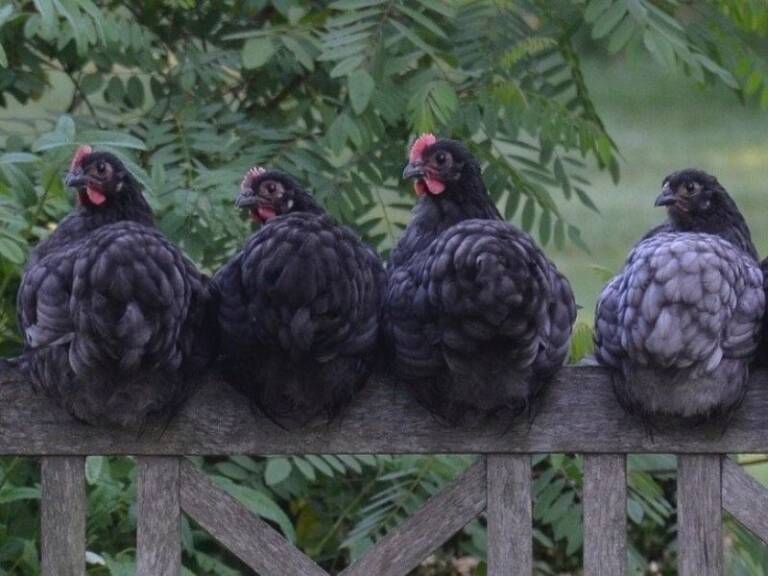
If you raise chickens, think about adding fresh greens to your hens’ diet. Lettuce and greens are full of nutrients that help your hens lay better eggs. Your hens will enjoy it, and your egg customers will be pleased too.

You Might Like this Unique Mix of: Salad Garden Greens
The Big Takeaway:
In conclusion, growing your own lettuce and greens is fun and healthy. With a few easy tips, you can create a garden that supplies fresh greens. Choose the right type for your space, keep the soil moist, and enjoy watching your plants grow.
Start with easy-to-grow greens like Cut and Come Again lettuce, chard, kale, and mesclun. These are great for starting your gardening journey!
Whether you have a big garden or a small balcony, you can easily add these plants to your life. So why not give it a try? Start planting today and enjoy the tasty benefits of homegrown greens!
Pin It for Later!




I love having my own homegrown lettuce in spring and fall…summers are too hot here. Found you on the Simple Homestead Hop!
Hi Lisa…..that is just great!! I, too, love growing our lettuces and greens; they are so fresh and so healthy. Can you grow anything on a sunny windowsill indoors during your hot summers? That would help keep your homegrown lettuces almost year round……Happy Growing!!