How to Grow Cabbage for a Bountiful Harvest
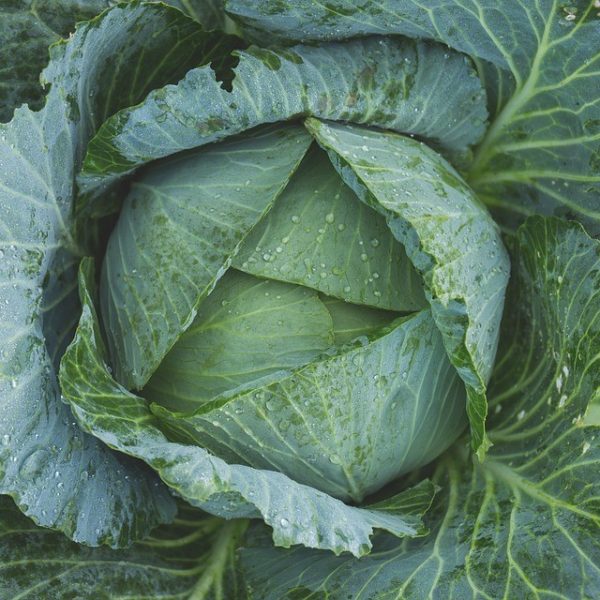
Cabbage is one of the oldest vegetables, grown for over 4,000 years. If you want to add a healthy and versatile plant to your garden, learning to grow cabbage can be rewarding.
I will share things I have done along with key tips and techniques for successfully growing cabbage, helping you get a great harvest!
How to Grow Cabbage
WE WILL COVER:
- Soils
- Sunlight
- Temperature
- Planting instructions
- Cold Hardiness
- Days to Germinate
- Thinning
- Varieties
- Days to Maturity
- Harvesting
- Storage Tips
- Plus, a few fresh Cabbage Recipes!
- Container Gardening
- Printable Growing Handout
Discover the Nutrients in Cabbage!
Find Your Zone: USDA Growing Zones Map of the USA
1. SOILS:
- Cabbage grows best in well-drained soil with a pH of 6.0 to 7.5. You can raise the pH by adding wood ash or garden limestone.
- Cabbage likes moist soil but not too wet.
- You can grow cabbage in garden beds, containers, or pots.
- If using containers, make sure they have at least 20 inches of soil.
- Use organic all-purpose fertilizer.
- Or Liquid Fish Emulsion.
Depending on your geographic location, soils vary tremendously and need different soil amendments.
It is easy to find out how to test your soil with this inexpensive soil tester from Amazon.
2. SUNLIGHT:
Cabbage, as do most vegetables, loves full sun but can tolerate a little bit of shade; 6 hours of full sun should be enough for a healthy crop.
3. TEMPERATURE:
Cabbage can be grown in cooler temperatures; it is a cool-weather crop.
They do not tolerate hot weather, so plant in spring approximately 3 weeks before your last predicted frost date.
For a fall harvest, plant in mid-August so the heads mature in the cool of autumn.
Sow your fall planting approximately 60 days before scheduled hard frosts for your area.

4. HOW TO PLANT CABBAGE:
Special Note: If starting cabbage seeds indoors, plan on covering new transplants with either plastic tunnels or cloches to protect them from the elements.
Starting Cabbage Seeds Indoors: for planting cabbage plants
- Start seeds approximately 6 to 8 weeks before your last scheduled frost.
- Do not start too early, as the cabbage seedlings will get too leggy and spindly.
- Use a starting mixture or potting soil.
- Fill your individual cups, 6-pack cells, or other little pots with starting mixture.
- Plant 2 seeds per cell and cover with 1/4″ to 1/2″ dirt and tap firmly.
- Cabbage seedlings need a good source of direct light.
- Follow instructions from the grow light manufacturer or have a good south-facing window.
- Water to keep starting mixture damp but not soggy
- Planting cabbage plants: Transplant the cabbage seedling when about 6″ tall.
- Cover with plastic cloches, plastic milk jugs with tops off, plastic tunnels, or cold frames.
Specifics on Direct Seeding Cabbage:
- Cabbage is a high feeder and needs well-drained, fertile soil.
- Add compost and organic matter to your garden soil.
- Consider an all-purpose fertilizer or fish emulsion.
- Plant 3 to 4 seeds about 18″ apart and plan on thinning to the hardiest seedling.
- Cover with 1/2″ dirt and tap firmly.
- Seeds should be planted about 18″ apart in rows.
- Rows should be 36″ apart.
- Soil needs to be kept moist throughout the growing season.
- Hand weed or mulch to suppress weeds.
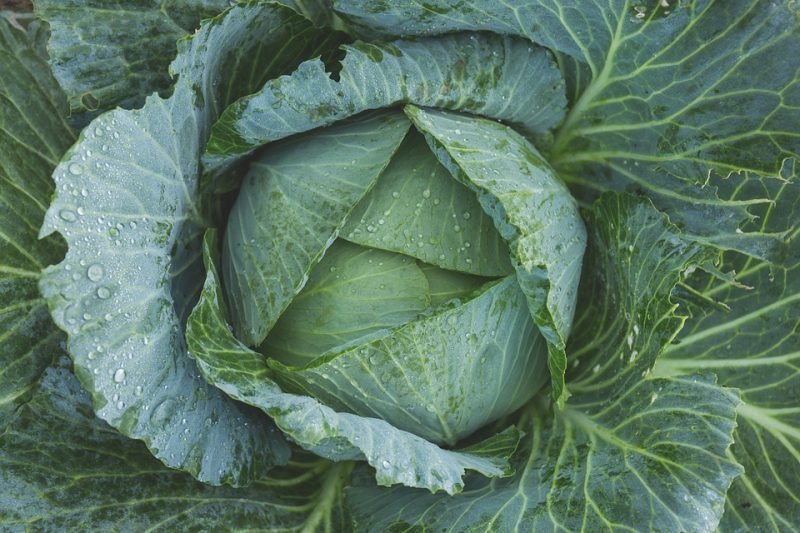
Find Out How to Stop Cut Worms!
Cutworms can destroy your cabbage seedlings overnight. Learn How to Protect Them Now!
French watering cans are especially useful.
♦Please Note: Add this information to your Gardening Journal.
5. COLD HARDINESS:
Cabbage can withstand cool weather. It does best under 75 degrees. So, set out transplants at the last frost. Cover with cloches or tunnels.
Direct seed 3 to 4 weeks before the last frost. It will take cabbage seeds a little longer to germinate in cold, damp weather.
6. DAYS TO GERMINATE: approximately 8 days
Cabbage seeds typically germinate in approximately 8 days.
7. THINNING:
Cabbage seedlings should be set out approximately 18 inches apart. If direct-seeded, thin your cabbage plants to 18 inches apart. When cabbage plants are too close together, small button-type heads may grow instead of full, normal-sized heads.

8. VARIETIES:
- Early Jersey Wakefield 65 Days
- Early Round Dutch 75 Days – this is a mid-season to late summer cabbage
- Red Express Cabbage
- If you would like to pick your own variety, take a look here: Cabbage Varieties
9. DAYS to MATURITY: 62 and 80 days
Dates vary but you can pick mature cabbage heads in approximately 50 to 65 days.
10. HOW to HARVEST:
- Begin cutting your cabbage as soon as the heads are fully developed.
- If you find cabbage looper caterpillars in the other leaves of the cabbage head, simply soak them in saltwater for 15 minutes and then rinse.
Stop Cabbage Looper Caterpillars Naturally
11. STORAGE IDEAS:
- Wash and Store Cabbage for fresh eating
- If cabbage looper caterpillars are a problem, soak for 15 minutes in saltwater and then rinse.
- Store in the crisper drawer.
Long Term Storage:
- Rinse, Blanch and Freeze
- Store firm fully developed heads in a cold room or root cellar
Ball Canning and Freezing Resource Book
12. RECIPE IDEAS for Cabbage
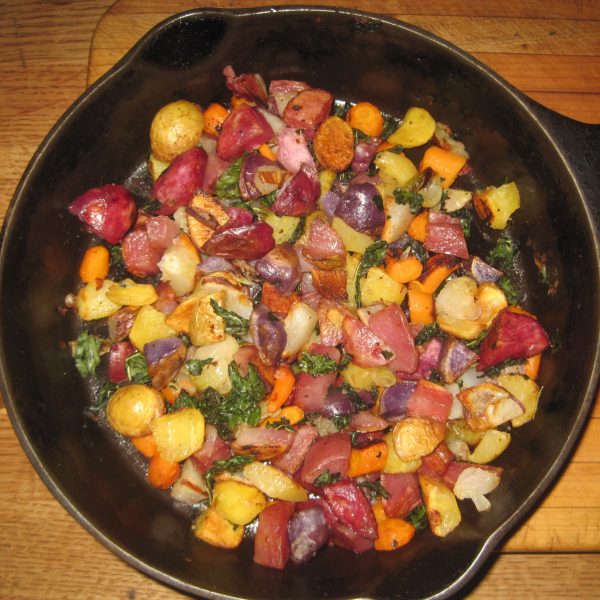
Lightly Steam and sprinkle with Parmesan Cheese and Lemon Pepper.
Do Not Forget to:
- Simply Eat Fresh in Cabbage Slaw or Salad!
- Sauté lightly in avocado oil with garlic, onion, and a little pink Himalayan salt.
- Cabbage leaves make beautiful garnishes on vegetable trays!
13. CONTAINER GARDENING:
14. PRINTABLE GROWING GUIDE:
HOW to GROW CABBAGE | How to Grow Series
Learn How to Grow Cabbage in Your Garden
Materials
- Cabbage Seeds or Cabbage Seedlings
Tools
- Hand Tools
- Shovel
- Hoe
- Rake
- Watering Can
Instructions
Specifics on Starting Cabbage Seeds Indoors:
- Start seeds approximately 6 to 8 weeks before your last scheduled frost
- Do not start too early as the cabbage seedlings will get too leggy and spindly
- Use a starting mixture or potting soil
- Fill your individual cups, 6 pack cells, or other little pots with starting mixture
- Plant 2 seeds per cells and cover with 1/4" to 1/2" dirt and tap firm
- Cabbage seedlings need a good source of direct light
- Follow instructions from the grow light manufacturer or have a good south facing window
- Water to keep starting mixture damp but not soggy
- Transplant when about 6" tall
- Cover with plastic cloches, plastic milk jugs with tops off, plastic tunnels or cold frames
Specifics on Direct Seeding Cabbage:
- Cabbage is a high feeder and needs well drained, fertile soil
- Add compost and organic matter to your garden soil
- Consider an All Purpose Fertile or Fish Emulsion
- Plant 3 to 4 seeds about 18" apart and plan on thinning to the hardiest seedling
- Cover with 1/2" dirt and tap firm
- Seeds should be planted about 18" apart in rows
- Rows should be 36" apart
- Soil needs to be kept moist throughout the growing season
- Hand weed or mulch to suppress weeds
HARVEST:
Begin cutting your cabbage as soon as the heads are fully developed
CABBAGE LOOPERS:
If you find cabbage looper caterpillars in the other leaves of the cabbage head, simply soak in salt water for 15 minutes and then rinse
Notes
CABBAGE is a High Feeder: Remember to Rotate Your Crops
Since cabbage needs to be planted in cooler weather, either:
♦Plant indoors 4 to 5 weeks before last frost
♦Transplant no later than 4 to 5 weeks old
♦Direct Seed 3 to 4 weeks before last frost
♦Purchase Seedlings from a Nursery
Final Thoughts:

Extra Tips on COMPANION PLANTING for Cabbage:
Please consider that Cabbage loves to be planted by Beets, Celery, Lettuces, Onions, Spinach & Potatoes but NOT by Peppers, Tomatoes or Strawberry!