How to Grow Tomatoes: Best Crop Ever
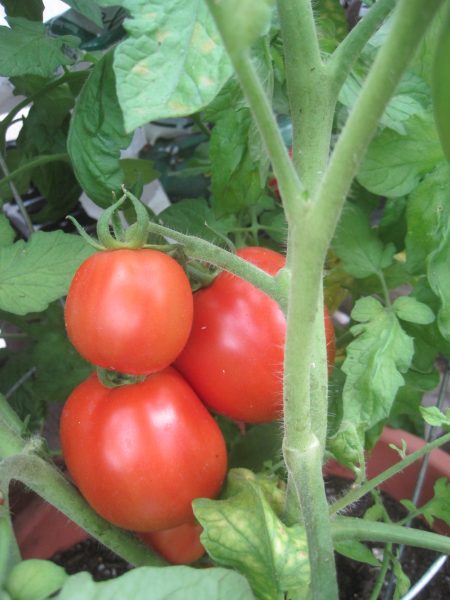
Beautiful red, orange, yellow, burgundy, and chocolate tomatoes are a delicious staple in most gardens and greenhouses.
Easy Steps on HOW TO GROW TOMATOES:
The first step in how to grow tomatoes is knowing what they need. Tomatoes need well-drained, warm, medium-fertile soils and a sunny location.
There are many, many varieties of tomatoes with regard to plant size, tomato size, shape, and color. These varieties add tremendous versatility for specific growing needs.
Along with adding a nice, perky freshness to any salad, vegetable tray, omelet, or vegetable dish, tomatoes are a powerhouse of nutrition!
From Medical News Today: Nutrients in Tomatoes
WE WILL COVER:
- Soils
- Sunlight
- Temperature
- Planting instructions
- Cold Hardiness
- Days to Germinate
- Transplanting Tomato Seedlings
- Spacing
- Varieties
- Days to Maturity
- Harvesting
- Storage Tips
- Plus, a few fresh Tomato Recipes!
- Container Gardening
- Printable Growing Handout
How to Grow Tomatoes
Find Your free USDA planting Zone map
1. SOILS:
- Tomatoes need well-drained, medium-rich soil.
- Moist soils but not waterlogged
- Gardens, garden beds, containers, and pots all work well.
- Just make sure to have at least 20+ inches of soil in your pots and containers.
- Use Organic All-Purpose Fertilizer or a Tomato Fertilizer
Soils differ greatly based on where you live, and they need different treatments. You can easily learn how to test your soil with a low-cost soil tester from Amazon.
2. SUNLIGHT:
Tomatoes need full sun but can handle some shade. They require at least 6 hours of sunlight each day for a healthy crop.
3. TEMPERATURE:
You can grow tomatoes outside once the nights get warmer. Remember, tomatoes like heat since they are heat-loving plants.
They do not tolerate cold weather, so plant outside only after all danger of frost has passed. Consider using tomato covers.
Try this type of season extender, Red Tomato Teepees, for tomatoes.

4. PLANTING:
First Steps to get a jump on early planting:
- Start your tomato seeds indoors or in a greenhouse setting.
- Sow your seeds approximately 6 weeks before the last scheduled frosts for your area.
- Do not start your tomato seeds too early as the plants can become leggy which means they are tall, spindly and weakened
- Leggy seedlings do not do as well as healthy stout seedlings.
- To prevent legginess, make sure your grow light is adjusted close to the seeds as they are germinating.
- Adjust grow light so it is about 2 to 3 inches above the seedlings as they are germinating.
- Raise the light as the seedlings grow.
- Make sure to follow the manufacturer’s instruction on grow light or lamp
- The height of the lamp above the seeds and seedlings will depend on the type of bulb you are using.
Planting Instructions:
- Plant tomato seeds in single rows or put 2 seeds in each cell or plug.
- If using plugs or cells, add 2 seeds to each one to help ensure at least one germinates.
- Space the seeds about 2 inches apart in a soilless potting mix, which makes it easy to transplant seedlings later.
- Cover the seeds with 1/4 inch of potting mix and lightly tap it down to secure the seeds.
- The soil temperature should be between 75° and 90° Fahrenheit.
- Put the cells, pots, or plugs under grow lights or in a sunny window facing south.
- Water the mix to keep it damp, but avoid making it soggy.
Always water the soil and not the leaves; it is not advised to water from overhead.
♦Please Note: add your planting dates and information to your Gardening Journal.
5. COLD HARDINESS:
Tomatoes are extremely frost sensitive; make sure to provide adequate protection for cold temperatures. Consider using season extenders such as Wall O’ Waters to protect from frost. Cold-frames and small greenhouse also offer added protection.
If you just need a little protection for your seedlings, look at a small walk in greenhouse shelter.
6. DAYS to GERMINATE: approximately 10 days
Tomato seeds typically germinate in approximately 10 days if the soil is warm enough. They need warm soil to sprout.
Germination will take much longer if the potting mixture or soil is cold. This happened to me; I thought my tomato seeds were just bad as they did not germinate. But, come to find out… it was my soil temperature.
I had the seeds under a grow light, but it was too cold in the room. The grow light did not warm the soil enough. So, keep this in mind.
7. TRANSPLANTING SEEDLINGS:
When the first true leaves develop, it is time to transplant your seedlings into larger pots. Transplant the young tomato seedlings into 4″ pots. This size pot will allow ample root development and room for growth until they are ready to transplant to their permanent location.
I have re-potted from 4″ containers to 8″ containers as the temperatures were too cold to set outside. This was an extra step, but it might be necessary depending on your location.
If planting in pots or containers, use at least a 20″ pot. Tomatoes need room to spread their roots.
Make sure to plan ahead to protect your tomato plants from blossom end rot!
French watering cans are especially useful.
Remember to water the soil and not the tomato leaves to help reduce disease.
COMPANION PLANTING for Tomatoes:
Tomatoes love asparagus, carrots, celery, cucumbers, onions, and spinach, but they do NOT like brassicas like broccoli, cabbages, cauliflower, and Brussels sprouts, plus they do not like potatoes!
8. SPACING:
Tomato plants need room to grow. Proper spacing will depend on the variety. Make sure to give your plants plenty of room to spread.
Set plants approximately 24″ apart if planting in rows. Make sure to have an adequate container size if planting in pots.
9. VARIETIES:
Special Note: TOMATOES are either determinate or indeterminate.
♦Determinate plants have a set growing height. These are usually classified as a bush variety and do not require any staking, but tomato cages might be helpful if your bush tomatoes are heavy with fruit.
♦Indeterminate plants grow tall and need to be staked with a trellis or some other type of support. Indeterminate plants cannot hold the weight of their fruit, which is why they need staking or a trellis.
Some Tomato Plant Varieties that grow well:
Determinate Tomato Plants that do not need staking
Indeterminate Tomato Plants will need staking:
Short Growing Season Varieties
Or, try a Tomato Seed Pack
Take a look at this post on Best Tasting Heirloom Tomatoes from my friend, Anna, at Celebrating a Simple Life.
10. DAYS to MATURITY: varies between 52 and 80
You can expect to pick early tomatoes in about 52 days, while larger late tomatoes may take up to 80 days.
Cherry tomatoes usually ripen faster. It’s a good idea to plant different types for early, mid, and late-season harvests.
Gold Nugget Cherry Tomatoes and Oregon Spring are both early bush varieties, so they don’t need staking!
11. HOW to HARVEST:
- Begin picking your tomatoes as soon as they are a nice size and color. Vine-ripened tomatoes are fabulous!
- Carefully pick your tomatoes and allow them to ripen a bit further or cool them down for longer storage.
- Tomatoes will keep a week or longer in the crisper drawer in the refrigerator.
12. STORAGE IDEAS: for Tomatoes
- Wash for fresh eating
- Store in crisper drawer -or-
- Consider freezing, canning and dehydrating
- Also, try Sun-dried Tomatoes
This resource book will help tremendously: Ball canning & freezing resource guide.
13. RECIPE IDEAS for Tomatoes:
Do Not Forget to:
- Simple Eating Fresh!
- Tomatoes make a wonderful, fresh, healthy addition to salads.
- Cherry tomatoes make beautiful garnishes, plus they work splendidly on vegetable trays!
14. CONTAINER GARDENING:
Tomatoes are perfect for contain gardens or to grow in a pot on a deck, porch steps or balcony.
15. PRINTABLE: HOW TO GROW TOMATOES:
HOW to GROW TOMATOES

Learn to Grow and Harvest Tomatoes!
Materials
- Tomato Seeds, Seedlings or Plants
- Potting Soil
Tools
- Small Spade
- Watering Can
- Shovel
- Gloves
Instructions
- Soils
- Sunlight
- Temperature
- Planting instructions
- Cold Hardiness
- Days to Germinate
- Transplanting Tomato Seedlings
- Spacing
- Varieties
- Days to Maturity
- Harvesting
- Storage Tips
- Plus, a few fresh Tomato Recipes!
- Container Gardening
Find Your Zone
FREE USDA Hardiness Zone Planting Guide
1. SOILS:
- Tomatoes need well-drained medium rich soil
- Moist soils but not waterlogged
- Garden Bed, Containers or Pots all work well
- Just make sure to have at least approximately 20+ inches of soil in deep containers
- Apply Organic All-Purpose Fertilizer
Depending on your geographic location, soils vary tremendously and need different soil amendments.
It is easy to find out how to test your soil with this inexpensive soil tester from Amazon.
2. SUNLIGHT:
Tomatoes love full sun but can tolerate a little bit of shade; 6+Hours of full sun should be enough for a healthy crop.
3. TEMPERATURE:
Tomatoes can be grown outdoors after the night temperatures warm up; just remember tomatoes prefer warmer temperatures as they are heat loving plants.
They do not tolerate cold weather so plant outside only after all danger of frost has passed.
4. PLANTING:
First Steps to get a jump on early planting:
- Start your tomato seeds indoors or in a greenhouse setting.
- Sow your seeds approximately 6 weeks before the last scheduled frosts for your area.
- Do not start your tomato seeds too early as the plants can become leggy which means they are tall, spindly and weakened
- Leggy seedlings do not do as well as healthy stout seedlings.
- To prevent legginess, make sure your grow light is adjusted close to the seeds as they are germinating.
- Adjust grow light so it is about 2 to 3 inches above the seedlings as they are germinating.
- Raise the light as the seedlings grow.
- Make sure to follow the manufacturer's instruction on grow light or lamp
- The height of lamp above the seeds and seedlings will depend on the the type of bulb you are using.
Planting Instructions:
- Plant tomato seeds in single rows or plant 2 seeds per cell or small plug
- If you are using plugs or cell to start your tomato seeds - add 2 seeds per cell or plug to insure help germination of one seed
- Space seeds approximately 2 inches apart in a soilless potting medium. This type of mixture makes the seedlings very easy to pluck out to transplant.
- Cover with 1/4 inch the soil less planting medium and lightly tap to set seeds in place
- Soil Temperature needs to be at least 75° to 90° Fahrenheit
- Place cells, pots or plugs under grow light or in a sunny south facing window
- Water to keep planting medium damp but not soggy
Always water the soil and not the leaves; it is not advised to water from overhead.
♦Please Note: add this information to your Garden Journal.
5. COLD HARDINESS:
Tomatoes are extremely frost sensitive; make sure to provide adequate protection for cold temperatures. Consider using season extenders such as Wall O' Waters to protect from frost. Cold frames and small greenhouses also offer added protection.
6. DAYS to GERMINATE: approximately 10 days
Tomato seeds typically germinate in approximately 10 days. They need warm soil to sprout. Germination will take much longer if the potting mixture or soil is cold. This happened to me, I thought my tomato seeds were just bad as they did not germinate. But, come to find out......it was my soil temperature.
I had the seeds under a grow light but it was too cold in the room. The grow light did not warm the soil. So, keep this in mind.
7. TRANSPLANTING SEEDLINGS:
When the first true leaves develop, it is time to transplant your seedlings into larger pots. Transplant the young tomato seedlings into 4" pots. This size pot will allow ample root development and room for growth until they are ready to transplant to their permanent location.
I have re-potted from 4" containers to 8" containers as the temperatures were too cold to set outside. This was an extra step but it might be necessary depending on your location.
If planting in pots or containers, use at least a 20" pot. Tomatoes need room to spread their roots.
8. SPACING:
Tomatoes plants need room to grow. Proper spacing will depend on the variety. Make sure to give you plants plenty of room to spread.
Set plants approximately 24" apart if planting in rows. Make sure to have adequate container size if planting in pots.
9. VARIETIES:
Special Note: TOMATOES are either Determinate and Indeterminate
♦Determinate Plants have a set growing height. These are usually classified as a bush variety and do not require any staking.
♦Indeterminate Plants grow tall and need to be staked with a trellis or some other type of support. Indeterminate plants cannot hold the weight of their fruit which is why they need staking or a trellis of some sort.
⇒These are some the easiest to grow with a good harvest record.
Determinate Tomato Plants that do not need staking
- Tiny Tim is a prolific producer of cherry tomatoes. They are wonderful for pots and containers. I love the compact size of this determinate variety of cherry tomato!
- Organic Roma Tomatoes
Indeterminate Tomato Plants will need staking:
- New Girl is similar to Early Girl
- Organic Beefsteak Tomato Seeds
Short Growing Season Varieties:
- Sub Arctic Plenty
- Oregon Spring
Or, try a Tomato Seed Variety Pack!
And, even have tomato plants delivered directly to your house!!!
10. DAYS to MATURITY: varies between 52 and 80
Dates vary but hopefully you will be able to pick some early tomatoes in approximately 52 days and then large late tomatoes can take up to 80 days.
Cherry Tomatoes typically mature earlier so, if you can, it is great to plant several varieties to have early, mid-season and late tomatoes.
11. HOW to HARVEST:
- Carefully pick your tomatoes and allow to ripened a bit further or cool them down for longer storage
- Tomatoes will keep a week or longer in the crisper draw in the refrigerator
12. STORAGE IDEAS: for Tomatoes
- Wash and Store for fresh eating
- Store in spinner or crisper drawer
- Consider freezing, canning, dehydrating
- Also, try Sun-Dried Tomatoes
13. RECIPE IDEAS for Tomatoes:
- Fresh Tomato Salads
- Fresh Tomato Sandwiches
- Grilled Tomatoes
Do Not Forget to:
- Simply Eating Fresh!
- Make Wonderfully Fresh and Health additions to salads
- Add Cherry Tomatoes as they make beautiful garnishes
- Plus, they work splendidly on Vegetable Trays!
14. CONTAINER GARDENING:
Tomatoes are perfect for contain gardens or to grow in a pot on a deck, porch steps or balcony.
Notes
COMPANION PLANTING for Tomatoes:
Tomatoes love Asparagus, Carrot, Celery, Cucumbers, Onion, Spinach BUT they do NOT like Brassicas (broccoli, cabbages, cauliflower, Brussel sprout) or Potatoes

More From the How to Grow Series…….
- How to Grow Potatoes in Your Garden
- Easy Steps to Grow Spinach | How to Grow Series
- How to Grow Carrots in Your Garden
- Cut and Come Again Lettuce Mixes | How to Grow Leaf Lettuce
- Garlic & Garlic Scapes: A Delicious Early Garden Crop