Prepare Your Garden for Fall and Winter

When the days get shorter and nights cooler after a long summer, it’s time to think about and begin to prepare your garden for fall and winter.
Winter can be harsh on our gardens, so we should prepare them for the cold months. We need to make the garden bed a safe space for our plants. It’s very important to protect all garden perennials, beds, and yard plants during winter.
Prepare Your Garden for Fall & Winter
Here are 9 simple steps to take in the fall before winter arrives. After the last harvest in late October or early November, you want to give your garden and plants the best chance to survive the winter.
1. Cleaning Up the Leftover Vegetation
The first thing you need to do is clean up your garden. The summer season has gone by and some of the plants have already died back. Make sure all roots crops like potatoes, carrots, turnips, and beets have been dug.
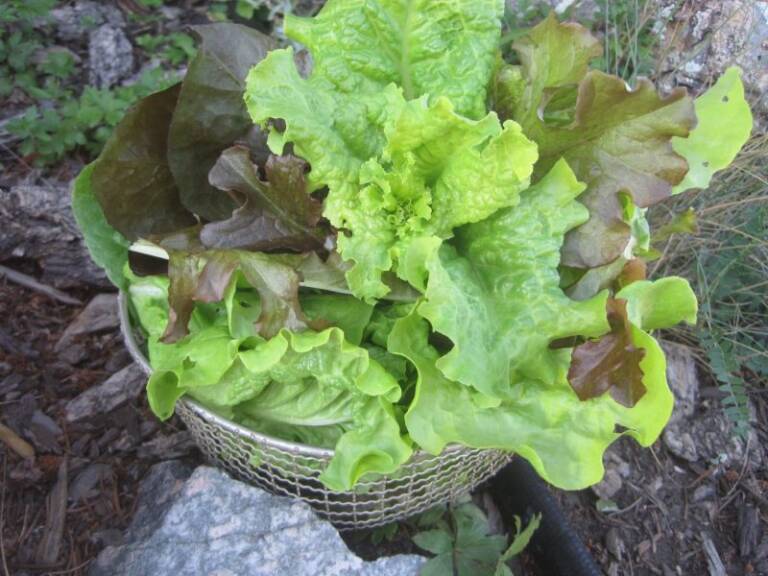
Lettuces, kale, chard, and brassicas can withstand frost. So, wait to get the last harvests before the frost sets in. If you have chickens, toss any and all extras to them as they will love rummaging through your leftover garden plants. They especially love the leftover lettuces and greens!
Related: Chicken Coop Ideas for Raising the Best Chickens & Eggs
After that, while it may be sad to do so, pull out the dead annual plants and their roots, so you can prepare your soil and make room for new ones. The annual plants and vegetables that are now dead will all need to be pulled out before the ground freezes.
Some people like to till their old plants under to add biomass to the garden but only do this with disease-free vegetation.
I actually dig out some kale and chard to transplant them in my greenhouse to extend the harvest. You can do this or offer extra protection with cold frames.
It is hard for me to let go of my greens so I try to eke out a couple more weeks by extending my growing season every way I can.

depose of Diseased Plants and Weeds
Summer heat can cause root and leaf diseases in plants. It’s important to remove any sick plants from your garden to keep it healthy. You should burn these plants or take them to a landfill.
Don’t add diseased plants to your compost unless you can check the heat to ensure the pathogens are killed. There are products available that can help activate the compost pile for better results
Quick Reminder: Remove all plants that might reseed, especially weeds! Pull out weeds by the roots and don’t let them go to seed. Dispose of them or feed them to your chickens if you have any.
I enjoy planting sunflowers in my vegetable garden because they look great, but be careful not to let them reseed! Otherwise, you’ll have many sunflowers popping up in your garden next spring!
2. Preparing Your Soil after the Growing Season
This tip emphasizes how important healthy soil is. Plants naturally know how to grow. Their roots go down, and their tops reach up. Also, make sure to run a simple at-home pH test on your garden soil. Correct and rebalance if necessary.
Soil amendments increase the organic matter of the soil structure while enriching the nutrients. These things are really helpful.
Developing rich garden soil takes time; rich soil will increase the strength and hardiness of each plant and will greatly increase the nutritional value of your produce.
Pro Tip: Focus on feeding the soil, not the plants!
This tip shows how important healthy soil is. Plants naturally know how to grow. Their roots go down while their tops reach up.
Leaves capture energy from the sun, and roots take in water and nutrients from the soil. This basic process is essential.
Everything thrives unless something is lacking.
Healthy soil is key. There are several factors to consider when evaluating your garden location and the available dirt. The location is important. You can improve the dirt to make garden soil, but moving the location is difficult. So, choosing a good spot for your garden is a super helpful first step.
Here are a couple of quick reads on how to create healthy garden soil and the importance of implementing a garden crop rotation cycle.

3. Consider Sowing a Winter Cover Crop
Consider planting a winter cover crop in early fall. Cover crops protect your garden soil from the harsh elements of winter, plus they provide nutrients to your soil.
It is best to plant these green manures or cover crops in late summer to encourage vigorous growth, but early fall plantings will also work depending on your USDA Growing Zone.
If you want to have an early spring crop of homegrown garlic, now is the time to plant it! planting garlic in the fall will give you an earlier spring harvest.
Try this all-purpose mix: Cover Crop Blend.
4. Rearrange or Prune all Perennials, if Needed.
Next, this is the time to rearrange, divide, and transplant all your perennial plants, such as perennial walking onions, chives, and herbs.
This also applies to all flowering bulbs and tubers, such as tulips and irises. Trim them back by cutting their tops once they have turned brown and died back.
Allow the leaves to die back naturally prior to trimming, as the energy from the leaves returns to the bulbs and tubers.
Also, prune blueberry bushes and remove old canes from raspberry plants.
This way, your garden will look neat and tidy. Protect the roots and leave them alone until the next spring. Collect any seeds on your perennial plants and save them in a paper bag to plant in March, April, or May.
5. Add Protection to Perennial Plants & Shrubs
If you have perennial plants, vines, bushes, or trees in your garden or yard, you need to also prepare them for the winter season. Since fall can bring strong winds, young or exposed plants can take a beating, causing the stems to break and “winter kill.”
This term, winterkill,” is the drying out of plants from extreme exposure.
Offer protection from the windward side for all young perennial plants and trees. Simple stakes and burlap can offer some protection. Even hay or straw bales can be used on the windward side.
There are many creative ways to support trees, vines, shrubs, and plants. Wires and nursery twine can help offer bracing, while fabric tree wraps offer winter wind and sun protection.
This type of protective layer can be used to shield your shrubs and trees from winter damage. Make sure to remove winter wraps from all your trees in the spring.
Pro Tip: Don’t forget to water on warm, sunny days during the late fall and winter! If the ground is dry and cracked around your perennial shrubs and trees, pull out a few hoses and just water enough so it seeps into the ground without puddling.

6. Renew and Replenish Mulch Before Winter
Look around you at the falling leaves… these are perfect for adding to your garden. Leaves are a natural and usually free source of organic matter to add to your garden.
They can be lightly forked under or used as a top dressing on your perennial plants and in your garden beds. Discover more ideas on mulch and mulching here.
The earthworms will do the work of breaking them down into usable nutrients. I have always marveled at the stored nutrients in leaves. Just think about it…trees and bushes draw natural nutrients from deep in the ground.
These nutrients are then made available to you. Adding these leaves brings the vast richness of nutrients back to the surface to enrich your garden soil and thus plants and vegetables.
This type of mulch or top-dressing also helps protect your soil from water and wind erosion during the harsh winter months.
Talk about reuse, recycle, and renew!!! This is the perfect combination of organic gardens!!

7. Gather Garden Tools for Proper Winter Storage
Fall is the perfect time to gather all your garden tools and get them cleaned up, oiled, and stored away (in one place) for the winter. It is so nice to be able to run and grab a shovel or hoe and know it will be in the shed or storage area, cleaned and ready to go!
Take all your tools and knock off all the dirt. Spray with water to clean and let dry. Make sure they are completely dry. If rusty, clean with steel wool or sandpaper. Do not put them away full of wet mud or dirt. Knock off all dirt and spray off all mud. Again, keeping your tools dry is the best measure.
Sharpen hoes and shovels with a fine file or sharpening stone to bring the edge back.
Sand the wooden handles every couple of years or so and rub with linseed oil to restore and protect the wood.

8. Fall Watering to Get Ready for Winter
Make sure to water all your perennial plants, to include trees, shrubs, bushes, raspberry canes, strawberry plants, onions, chives, flowers, and herbs. It is vitally important that your perennial plants have moisture in the ground as they are going dormant.
As the ground freezes, the extra water in the ground will freeze around the roots and root zone to ensure they are all covered. When roots are not covered and are exposed to air, they die.
It is extremely important to make sure there is ample moisture in the ground prior to winter’s freezing temperatures setting in. As important as this is, it is equally important to not allow water to puddle on the surface of the ground, as this can suffocate the plants and trees.
Keep a watchful eye out if there is no snow cover. On warmer winter days, if the ground seems dry, water the surface of the ground around your perennial plants. Water just enough to allow it to seep into the ground. Do not allow the water to puddle on the surface of the ground. Your plants will love you!
9. Keep a Garden Journal ~ Make Notes!
Keeping a simple garden journal helps notate dates, tips, and ideas, plus list the chores that need to be done or that have been completed. Remember to list successes as well as problems and remedies. List ideas for next year’s vegetables and flowers that you want to try.
Quickly sketch this year’s garden crop location and make a list of garden layouts and crop rotation ideas for next year.
Also, make notes to investigate Planting by the Moon!
I have always loved this simple quote on winter season…..
“If we had no winter, the spring would not be so pleasant.”
Anne Bradstreet

TAKE a SNEAK PEEK to get a jump on summer gardening tips.……..
10. Plan Your Work and Work Your Plan
Good luck this fall as you prepare your garden for winter! Be sure to do a DIY home soil pH test and fix any issues you discover. You’ll be pleased with your garden in spring thanks to the effort you put in now.