
Quick Checklist for Raising Baby Chicks
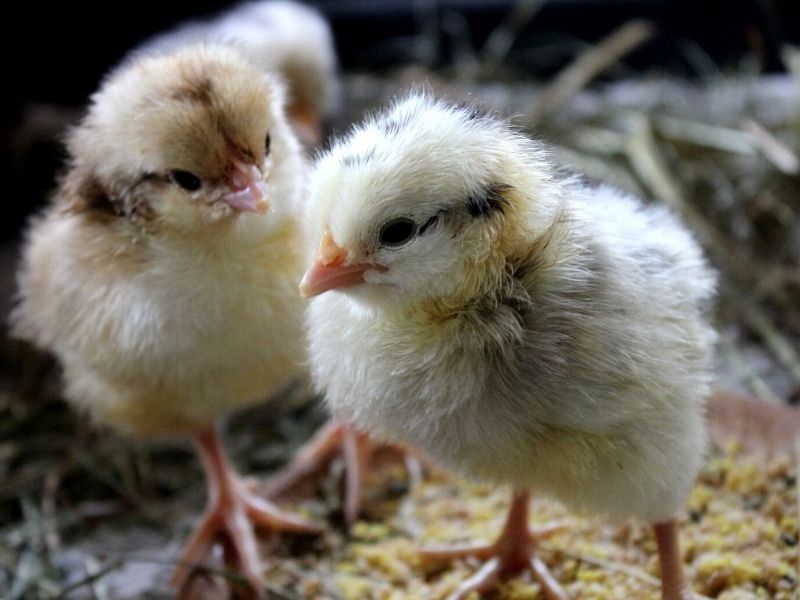
Baby chicks are easy to raise, but you must be prepared and have your brooder set up correctly. This is a must-have quick checklist for raising baby chicks!
♦ If you just need the Quick Printable Checklist, scroll down to the bottom of this post.

QUICK CHECKLIST for RAISING BABY CHICKS
- Prepare the Brooder: set up your brooder a day or two before your chicks arrive. For more tips, check out Top Tips for Raising Baby Chicks.
- Block Corners: tape cardboard in the corners to prevent chicks from piling up and suffocating each other.
- Heat Source: adjust your heat lamp or heating plate to 95 degrees under and around the heat source. Use a thermometer to check the temperature.
- Avoid Overheating: ensure chicks can move away from the heat to stay safe.
- Bedding: put wood chips, shavings, or newspapers at the bottom of the brooder. Cover shavings with newspaper and textured rubber shelving to prevent slipping.
- Water and Food: fill chick water founts with fresh water. Set up feeders with Chick Starter feed for the first 8 weeks. Sprinkle some feed on the bottom of the brooder to encourage eating.
- Be Ready for Arrival: have warm canned evaporated milk mixed with sugar ready for cold, hungry chicks when they arrive.
- Check Chicks: count all live chicks when they arrive. Remove any dead ones (hatcheries usually send an extra chick for every 25 to ensure live delivery). Focus on caring for the live chicks first.
- Help Weakened Chicks: give weak chicks extra sugar water or the milk mixture. If you have many dead or weak chicks, contact your hatchery for help.
- Monitor Comfort: happy chicks make soft cheeps. Loud peeping means something is wrong. Check the temperature, drafts, dampness, feed, and water if you hear loud peeping.
- Enjoy Your Chicks: check on them often. Watch for signs of illness like diarrhea (Coccidiosis), which is treated with a coccidiostat like Corid. Look out for weak chicks and pasty butts; learn how to care for them at Top Tips for Raising Baby Chicks.
- Keep It Clean: keep the brooder clean with full feeders and water founts. Wash the water founts regularly to prevent slime and bacteria.
- Plan for Growth: chicks grow quickly. Start thinking about their next stage: larger space, bigger water founts and feeders, small roosts, and Chick Grower Feed.
- Switch Feed at 8 Weeks: at 8 weeks, switch to Chick Grower feed and consider adding Chick Grit as they grow.
- Laying Flock Transition: when you see your first pullet egg, switch to a fresh Laying Mash or Pellets for your new laying flock!
- Moving Day: it is time to move your young pullets to the hen house
You May Also Enjoy:
- TIPS for RAISING BABY CHICKS | Raising Chicks for Beginners
- Chicken Coop Ideas for Raising the Best Chickens & Eggs
- TIPS for CLEANING YOUR CHICKEN COOP
- Best Egg Laying Chickens & What They Have to Offer
Scroll to the bottom of this post for your Printable Quick Chick Checklist!

NOTES: watch for potential health issues
- Add an electrolyte mineral supplement to the baby chicks’ water for the first 3 to 4 weeks. Always provide plain, fresh water too.
- Coccidiosis can be a serious issue. This parasite causes diarrhea in baby chicks, which can be dangerous. Keep a coccidiostat like Corid available just in case.
PRINTABLE QUICK CHECKLIST for RAISING BABY CHICKS
QUICK CHECKLIST on RAISING BABY CHICKS

Printable Checklist for Raising Baby Chicks
Materials
- Brooder Box, Crate, Rubbermaid Tub
- Heat Lamp or Brooder Heater
- Extension Cord
- Chick Water Founts
- Chick Feeder
- Newspapers
- Wood Shavings
- Textured Rubber Shelving
- Electrolytes
- Coccsidostat for Coccidioisis
Tools
- Extra Cardboard and Tape to make sure there are no corners in the Brooder.
Instructions
- Set up your brooder area a day or two before your baby chicks are scheduled to arrive. For further information head on over to Top Tips for Raising Baby Chicks
- Make sure to block any corners by simply taping pieces of cardboard in the corners to round them out. Chicks will pile in corners and suffocate the ones on the bottom
- Adjust Reflective Heat Lamp or RentACoop Chick Heating Plate so the temperature is 95 degrees directly under and around the heat source
- Check temperature with Thermometer to regulate the heat
- Make sure chicks can get away from heat to prevent overheating
- Place Wood Chips, shavings or newspapers in bottom of brooder.
- Cover shavings with newspaper and textured rubber shelving to reduce slippery surface
- Fill baby chick water founts with fresh water
- Set up chick feeders with fresh Chick Starter and plan on feeding this for 8 weeks. I like this Starter Feed.
- Sprinkle the bottom of the brooder with your Chick Starter Feed. This will encourage chicks to start eating immediately.
- Be prepared for cold, hungry chicks when they arrive. (Have 1/4 warm canned evaporated milk + 1 teaspoon sugar on hand)
- When your chicks arrive, begin by doing a head count for all live chicks
- Remove any dead chicks (hatcheries will usually send 1 additional chick for every 25, just to help insure 100% live arrival)
- Take care of all the live chicks first
- Give any weakened chicks extra sugar water or evaporated milk sugar mixture
- If you have many dead and weak chicks contact your hatchery immediately for possible solution
- Chick Comfort is your criteria for happy content chicks. Soft cheeps is good. Loud peeping is bad as something is wrong.
- If loud peeping, double check temperature, drafts, dampness, feed and water.
- If they have everything they need, the chicks should settle down.
- Enjoy your chicks.
- Check on them often.
- Watch for diarrhea such as Coccidioisis which is caused by a parasite. Treat with a coccidiostat like Corid
- Watch for weak chicks, pasty butts and muddy toes; find out how to take care of these at Top Tips for Raising Baby Chicks
- Keep the brooder clean with feeders and water founts full
- Make sure to wash & really clean the water founts as the inside of the fount can get slimy & bacteria can build up
- Chicks grow fast.
- Start thinking about the next stage: more floor space, larger water founts & feeders, small roosts & Chick Grower Feed
- At 8 weeks, you will need to switch to a good Chick Grower & consider adding Chick Grit as they grow
- When you see your first pullet egg, then it is time to switch to a good fresh Laying Mash or Pellets for your new Laying Flock!
Notes
NOTES: watch for potential health issues
- Consider adding an electrolyte mineral supplement Add this electrolyte mineral supplement to the baby chicks water in their waterer for the first 3 to 4 weeks. Make sure to also have plain fresh water available at all times .
- Coccidioisis can be a problem. This parasite causes diarrhea in baby chicks which can be life threatening. Having a coccidiostat like Corid on hand is helpful to be on the safe side.
Related Posts:
Best Tips for Raising Chickens + Chicken Coops
Top Tips for Raising Baby Chicks
Final Thoughts:
Raising baby chicks is a fun and rewarding hobby. With some planning, you can give your chicks everything they need to grow healthy. Having the right supplies and a safe home is key to their well-being. Enjoy watching them grow and the sense of accomplishment it brings. Why not start your chick-raising adventure today?





In the past, we’ve bought young pullets for our broilers each year, keeping back a few to add to our egg flock.
However, this year, we’ve talked about raising them from chicks so our kids get some experience with the whole life-cycle. Bruce, our rooster, is doing his part to fertilize.
Cheers for a great share on the blog hop!
I always needed a refresher each year on what to do to get ready for our baby chicks. And, then thought, others might benefit from a Printable Checklist! Appreciate you reading it!!! I think it is just wonderful that you are providing this real life experience for your family. Our family has so enjoyed raising baby chicks; such excitement….Thanks for writing!