
Compost vs Top Soil, Garden Soil, & Loam: An Easy Guide

The best soil types are ones that drain well, are nutrient-rich, and have a healthy soil structure. I always wondered about the difference between plain old dirt and soil amendments. Here are some of the basics on compost vs. topsoil and more…
Remember: Even as a home gardener, dirt matters!
So, what is the difference between the bags of soil and garden additives at the local garden supply centers? Isn’t topsoil and garden soil the same thing? And what about compost and loam? Isn’t one just as good as the other?
The answers are ‘No,’ ‘No, “‘ and ‘No’. These soils are different in their make-up and their usage.

Compost vs Top Soil……
Here’s a quick but helpful overview of compost vs. topsoil vs. garden soil. Whether you are planting a new lawn, a new garden bed, growing a vegetable garden, replenishing flower beds, or building up existing clay soil, this information should give you a good start.
Most of the time we all start out with poor soil unless you have land with a rich native soil. Chances are you will need to increase your existing soil with some natural soil additives.
Plus, you need to know if your dirt is acidic or alkaline for better plant growth. Here is a simple way to find out if clay soil is acidic with this simple guide.
What is Top Soil?
The top layer of soil in any garden, yard, or field is simply called topsoil. It’s the first layer of soil and extends down to 6-8 inches deep.
This upper top layer provides a basis for plants to grow while improving the health of the soil environment.
Topsoil has a variety of characteristics that make it an invaluable resource in any garden or landscape.
This layer of topsoil improves the quality and longevity of gardens by providing good drainage, water retention, essential nutrients, and moisture control as it naturally receives moisture, nutrients, and sunlight before the deeper soil layers.
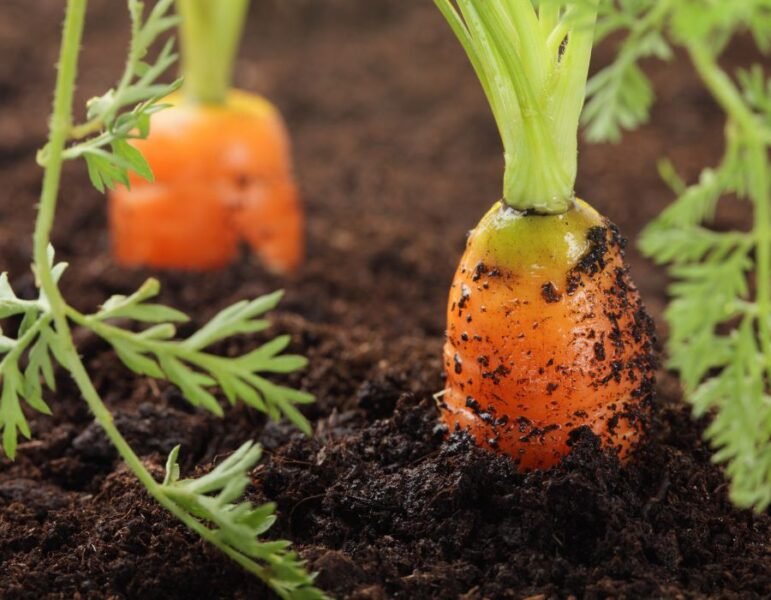
Top Soil is Vulnerable:
Topsoil is the most fertile but also the most vulnerable layer of soil. Heavy rains, runoff, and snowmelt can erode this important top away, causing plants to starve to death. Foot traffic or construction sites can cause the topsoil to become compacted and hinder plant roots from growing.
Neglect, weed seeds, and weed growth will deplete the topsoil of nutrients, which may inhibit or even fall to support plant life. Remember that topsoil is where most of the vegetation grows. (of course, other than trees).
Many plants will grow deeper roots that reach below 8 inches into the soil, and that’s one of the reasons the other garden products are needed. These products are needed to help send more nutrients deeper down to help build the subsoils.
Understanding Soil for Plants
Many plants have long roots that reach deeper than the topsoil. Because of this, we often need to add extra materials or soil amendments to help them grow better.
Adding these amendments can improve soil quality and provide essential nutrients. It’s a simple way to support your plants’ growth!
You may want to look into your local garden center to see if they can have topsoil delivered to you. Do a quick search for topsoil delivery near me.
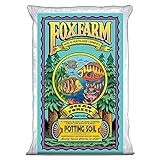

Fox farm garden mix
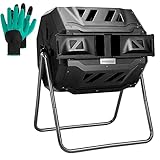

backyard compost tumbler
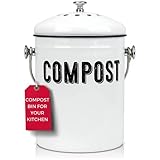

kitchen countertop compost bin
Garden Soil or Potting Soil
Garden soil has three main components: mineral matter, organic materials, and water.
This type of soil is ideal for use in planters, hanging baskets, and garden beds. It can be purchased in bags or bulk at the garden supply center if you do not have good soil at home.
There are also some fantastic pre-mixed hanging basket mixes available. You can also tailor-make the perfect blend for your situation.
Garden soil will sometimes cost more than top soil due to the added ingredients. If you have a large outside garden, combining garden soil with top soil (or other organic products) will save money while providing a fertile environment for plants to grow in.
If you have garden soil that compacts easily, consider adding peat moss and coconut coir to create a more loamy texture.

Compost
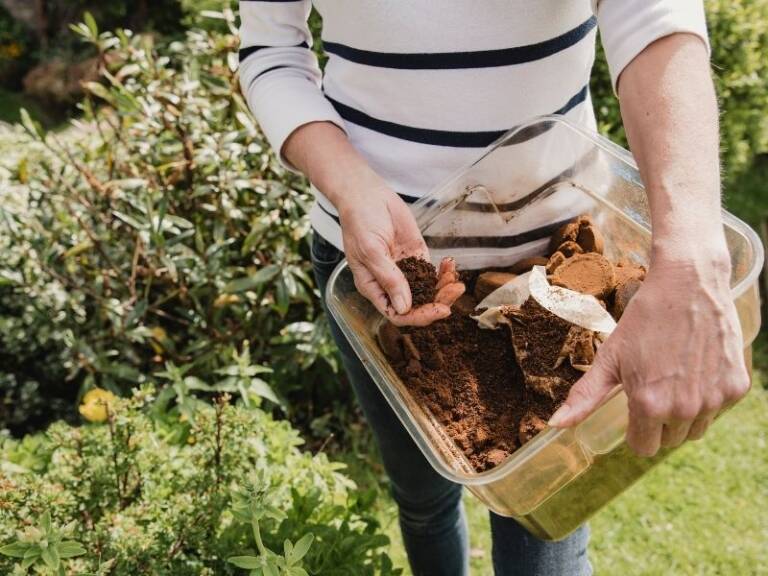
Composting is a great way to repurpose kitchen and yard waste into rich natural fertilizer. This naturally rich soil amendment requires minimal effort and can have significant benefits for the environment, as well as your home.
DIY compost is also easy to make at home and is an ideal way to recycle food scraps, kitchen scraps, and yard waste. Compost is a great alternative to chemical fertilizers.
This type of soil amendment is decayed plant matter and is the best all-around organic food for plants. It is a nutrient-rich organic natural fertilizer that will feed the plants, prevent soil compaction, and promote good soil drainage and air circulation.
Nutrient-rich compost also attracts earthworms and promotes a biodiverse subculture in the soil that will help plants to grow and be more productive.

The Beginner’s Guide to Composting
Here is a simple guide on how to create your own compost pile!
The Beginner’s Guide to Composting: Overview
Composting is basically collecting organic waste such as food scraps, dead leaves, and grass clippings, then storing them in a pile or a container while they decompose naturally.
All food waste, except meat and dairy products, can be recycled into nutrient-rich compost. If you are growing organically, then make sure to only use organic food items in order to have organic compost. Working compost into your soil will increase the loam and quality of the soil.
You can also simply add a layer of compost to your garden surface. And, once you have your compost, then you must learn how to make compost plant tea that will provide an instant boost of energy for plants.
If you cannot have an outdoor compost bin, think about getting a kitchen compost bin. You can also buy bags of compost at your local garden centers.
Loam
Loam soil is a mixture of different things: clay, silt, sand, and organic matter. This type of soil is considered ideal for gardening and farming due to its rich composition.
A loamy soil provides excellent drainage as well as having excellent moisture retention capabilities, making it an ideal choice for many types of plants. Additionally, loam soil has a structure that encourages root development and helps with weed control.
All loam is soil, but not all soil is loam. Loam is the term used to describe a loose, nutrient-rich soil that drains excess water well yet retains moisture. This type of loam is also nutrient-rich, has good air circulation, and resists compaction so tiny plant roots can grow easily.
Loam is an ideal growing medium for most plants and can be created by mixing topsoil with organic matter. A 50-50 blend of topsoil and compost will result in a rich, loose loam. Most plants will thrive in this type of soil.
Other organic matter can be added to create sandy loam or silty loam. Some garden plants, like potatoes, carrots, and cacti, prefer sandy soil. But they still need loam to enable the sand to retain moisture and nutrients.
Silt is soil that is typically harvested from the bottoms of rivers. It’s compacted and depleted of nutrients but retains water well. Several trees and shrubs grow best in silty loam, but not many flowers and vegetables.
In Conclusion: On Compost vs Top Soil
Soil health is an integral part of any garden. Choosing the right one is so important for the best results. In an ideal environment, you do not need to worry too much about your soil health.
But, since most of us do not have an ideal environment, we all will need to build up our healthy soils!
Happy Growing!
If you love this post, you’ll love these, too:




I think your website is awesome, BUT, why, oh why, is there not a print or pdf selection so that we can print out your articles and recipes? I am so unlikely to have the time to read fully one of your wonderful articles at one sitting, and less likely to look it up again the next time I get to read online, because my inbox is then full of new news and stories, etc. More likely I will complete my desired reading material later in the day or the next night in printed form. In other words, I am not glued to my tablet, phone or computer, but busy at some of the things you write about…and disinclined to revert to my tablet, phone or computer to look things up and read through (aka pin) again. And, I don’t want to use my printer ink to print out photos…the only option I have now.
I am very sure you know all this, and have a very good reason for not engaging people to print. But, sigh, because I have limited time for online learning, I not infrequently skip over the reading of your website altogether. It is only a tease for me, since I won’t be able to print anything in print friendly mode or pdf, can’t remember everything I read at one go, and I usually don’t take notes when I browse…
Anyway, your site still is pretty awesome.
Well….let’s see: I am not sure I know how to do what you are suggesting but will look into it. I think you are asking that I include a print article button without the photos. Correct? Thank you for your comment! ☺