How To Grow Chard…Just About All Year Long

Chard is a dark green cruciferous vegetable that is a nutritional superstar and very easy to grow in the home garden. Growing chard is super easy to grow because it is so hardy!
This cool-season leafy green is full of fiber, protein, calcium, potassium, magnesium, phosphorus, iron, and vitamins A, C, and K. Plus, it has very few calories. The nutrients in swiss chard are impressive.
Check out this beautiful rainbow chard—it looks great in the garden and in this photo. It’s a fantastic crop!
Nutritional Data on Chard
How to Grow Swiss Chard
As a cool-season crop, chard is grown year-round for harvesting or used as a winter cover crop to improve garden soil structure. Chard plants can endure fairly cold temperatures and still thrive.
If you live in a more temperate climate, you may be able to grow chard year-round!
Find Your Zone: FREE USDA Hardiness Zone Planting Guide
Planting Location
Select a planting location that is in partial shade and has well-draining soil. Chard grows best in cooler temperatures but some of the new hybrid cultivars grow equally well during the heat of summer.
When to Plant Swiss Chard
You can plant swiss chard seeds directly in the garden soil as soon as it thaws in spring. You can also plant seeds or plants every two weeks from early to mid-spring to extend your harvest. Mix 2 inches of compost into the soil and make rows that are 1/2 inch deep and 4 inches apart.
Plant chard seeds in rows, cover them with soil, and water thoroughly. After the seeds sprout, thin the seedlings to 4 inches apart. Add a 2-inch layer of organic mulch around the plants to keep moisture, cool the soil, and stop weeds from growing. Working compost into the soil will also help promote drainage and increase soil fertility.

Chard is a heavy feeder and will need compost incorporated into the soil and placed around the plants to keep them growing. If your soil needs a fertilizer, consider adding an all-purpose organic fertilizer .
Pro-Tip: How to Stop Cut Worm and Protect Garden Seedlings
{how to start seeds indoors!}
Seeds can be started indoors six to eight weeks before you’re ready to plant them outdoors. Here are 10+ simple seed-starting ideas that are a snap to do.
Plant your chard seeds in individual cells or small pots. A seed-planting medium works the best. Put 2 to 3 chard seeds in each cell or small peat pot. Lightly cover them with 1/4 inch of planting mix and press it down.
Water gently to ensure the seeds stay covered by the soil. Keep your grow light close to the surface of the soil to ensure hardy stem growth as the seeds germinate.
Make sure the soil is damp but not soggy. When the first true leaves appear, you can transplant the seedlings into 4-inch peat pots or growing containers. Consider planting your seedlings outdoors when they are about 4 inches tall.
Transplant seedlings into prepared soil after all danger of frost has passed in the spring or late summer when temperatures have cooled. Make sure to read the important information below on how to prevent cutworm damage to young seedlings.
You can plant seeds directly in garden soil or outdoor containers once the risk of frost is gone. (Chard can handle frost, but its seeds grow slowly in cold, wet soil.)
Place 2 to 3 seeds every 10 to 12 inches on the prepared soil and cover them with 1/4 inch of soil or compost.
Tap the soil to settle the seeds and gently sprinkle with water. This is the best watering can.
Beginners Guide to Composting

Harvest Time
For the sweetest flavor and most tender leaves and stems, allow the chard leaves to reach 4 inches in height, then remove the entire plant from the garden soil.
For stronger chard flavor, allow leaves to reach 8 inches tall, then cut off leaves 1 inch above soil level.
The remainder of the plant can be left in the soil and turned under as green manure. Chard is in the beet family, and their leaves are cooked like beet greens or spinach.
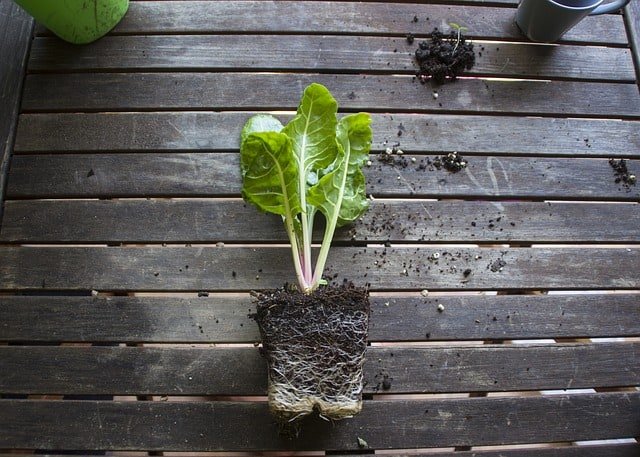
If you live in a colder climate, consider digging out a couple of your chard plants, potting them, and then placing the newly potted plants in a small greenhouse or in a sheltered location for continual harvesting of these nutritious leaves far into the fall and early winter.

Cover Crop
After harvesting garden crops, work organic matter into the soil and scatter chard seeds on top.
Sprinkle 1/2 inch of soil on top and allow chard seeds to germinate and grow as a winter cover crop. This will help prevent soil erosion and compaction and increase soil fertility. Turn plants under in the spring to increase fertility.
Delicious Swiss Chard Recipes
Many people don’t know much about Swiss chard or how to cook it. Here are a bunch of swiss chard recipes to get you started for delicious ways on how to prepare and serve swiss chard. Definitely being with this Simple Swiss Chard Sauté!
To Wrap This Up
In conclusion, planting chard brightens your garden and adds nutrition to your meals. Being a hardy crop, it grows well in different conditions, making it suitable for both experienced and new gardeners. Just make sure to keep the soil moist during the growing season and give it some shade on hot days for a good harvest. Whether you sauté it, add it to salads, or use it in smoothies, chard will please your taste buds. So why wait? Get some seeds and start planting chard today!