
Improve Your Garden Soil: In 4 Easy Steps
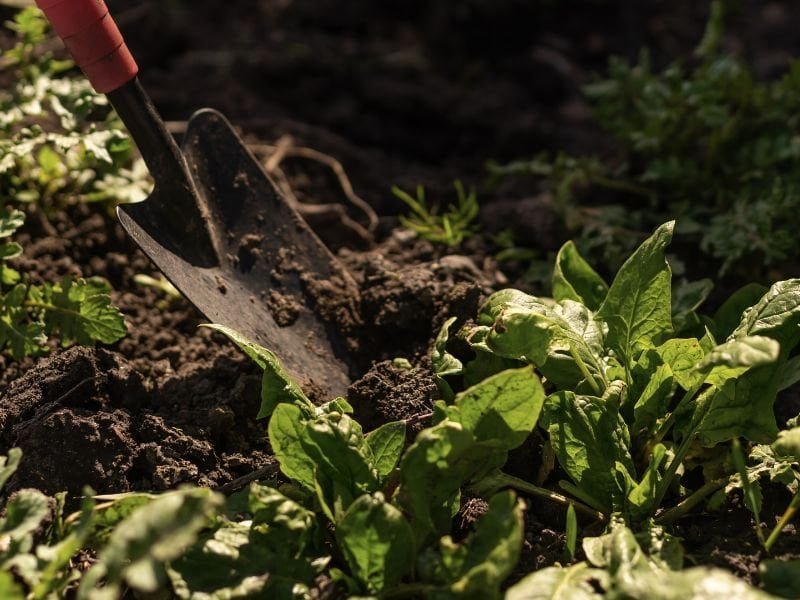
Ever wondered…what’s the biggest gardening mistake you can make? Many beginning gardeners believe that soil can manage on its own, so they focus only on caring for the plants. However, that’s not true!
The soil’s health has a direct impact on your plant’s growth. Your vegetable garden will not flourish if your soil is lacking quality nutrients, organic matter, and loam. Plus, your plants will not survive with the proper soil maintenance. Here are some easy tips on how to build better garden soil.
How to Improve Your Garden Soil

A great rule of thumb is to “Feed the Soil and not the Plants!” Healthy soil yields healthy fruits and vegetables!
Instead of spending the majority of your time on the plants that are growing above the ground, make sure to give adequate attention to what lies beneath.
That’s because the soil is the main source for their nutrients. Thus, soil deprived of nutrients will automatically affect the plant.
In order to help you out, I’ve rounded up a few of my favorite gardening hacks to get you started. The following are easy-to-do top tips that will make a big difference in your garden dirt!
1. A Healthy Diet
Did you know…The best way to grow healthy plants is by keeping them on an organic diet. This means feeding your soil all the essential minerals and micronutrients.
We all know that the three basic micronutrients are nitrogen, potassium, and phosphorous. Yet, these micronutrients shouldn’t be the only focus for our soil improvement strategies.
Your goal should be to feed the soil all the micronutrients and minerals found inside organic fertilizers and compost.
How to feed your plant? You’ve got two options. Either buy chemically laden solutions or do it the old-fashioned way with organic fertilizers. The second option isn’t just safer; it’s better too!
Here are some of the staples I use:
- Spent hay/straw: These materials provide organic matter and nutrients.
- Manure: This helps increase the nitrogen levels in the soil.
- Weeds and raked leaves: These add extra layers of organic matter.
Consider trying some homemade fertilizers like compost or compost tea. The main idea is to supply your garden soil with nutrients and organic matter that are missing.
You can actually run a very DIY simple pH soil test to find your soil pH level and then another test to find out your soil’s deficiency status.
Try a garden soil test kit today!
2. Marvelous Mulch
Want to know a Secret?
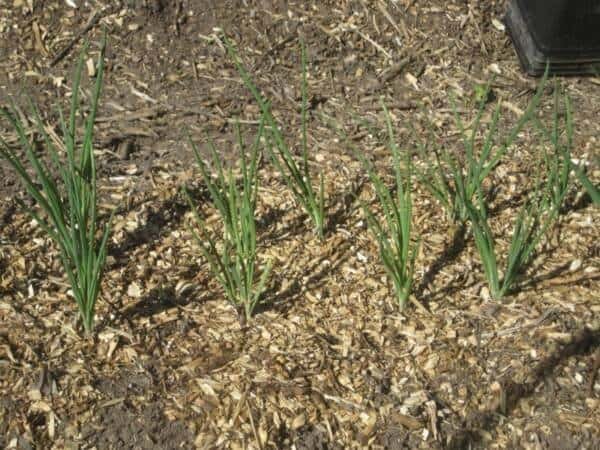
Mulching makes all the difference. It is a multifaceted solution that tackles a lot of gardening problems. This includes minimizing soil erosion, inhibiting weed growth, and also enhancing water retention. You can use manufactured mulch that comes in a packet. Or you may make your own mulch without paying a penny.
The best mulch contains:
- Grass clippings
- Leaves and leaf mold from decaying leaves
- Chopped or shredded straw (but watch out for weeds and weed seeds!)
- Bark shreds
- Decaying wood chips
- Old newspapers
- Compost
Apart from this, when mulch starts toreak down, it turns into compost. This reminds me of my third gardening tip:
3. DIY Compost
What’s compost?
It’s basically decomposed organic matter. It’s rich in nutrients and highly beneficial in building and maintaining soil health. Many gardeners make their own compost, and I’m no different. I try my best to recycle material from my own garden to make compost.
Occasionally, I’ll use kitchen scraps to create the perfect compost. Not only does it work wonders for the soil. But it also keeps my household waste to a minimum.
Indoor Counter Top Compost Bin
These are the things we use:
- Coffee grounds
- Eggshells
- Fruit rinds and peelings
- Vegetable peels
- Leftovers without meat
Sometimes, spoiled dairy and food are also good for the soil. However, be cautious of what you use before dumping it on your compost pile.
Why? Those who live outside the city know that unattended food attracts animals (e.g., grizzly bears, raccoons). Even street cats and stray dogs might be tempted to dig into your lawn if you’re not careful with your compost.
I remember the day when I saw evidence that that grizzly sow and cub had destroyed our compost pile.
Guess what they were eating. Eggshells!
The best option for you is to use animal-proof or, more specifically, bear-proof containers/bins if you live near the wilderness. The containers will help protect your compost from meddling mammals and ensure that your soil stays fertilized.
Pro tip: Remember to contact your local US Fish and Wildlife Service or Game and Fish Department if the animal trespassing persists.

4. Soil Additives
Want to know a tip on how to adjust your soil’s pH?
Lastly, amending your soil with soil additives is a useful technique. This helps improve your soil’s health by providing it nourishment and regulating its pH levels.
Here are some simple things you can add to create fertile soil:
- Clay Soil: add organic matter like compost, shredded leaves and old rotten manure
- Alkaline Soil: Lower the pH levels with peat moss
- Acidic Soils: Raise the pH levels by adding garden lime or wood ashes
Learn if clay soils are acidic or alkaline.
****************************************
DIY SOIL pH TEST:
You may like to try this simple DIY soil pH test on your garden soil.
This will give you a quick heads-up as to the approximate pH of your soil. From this point, you can adjust your soil’s pH by buffering it either way. Remember this takes time as the soil particles and microorganisms readjust themselves.
(As a side note, most weed killers are either acids or salts, which are bases.) pH is very important with all plant life, so if we get it wrong, our gardens suffer.
**********************************
Also, consider adding an organic all-purpose fertilizer to your vegetable garden. This will help provide your plants with the nutrients they need while you are building a strong, loamy soil.
And make sure to be very careful when adding any type of chemical fertilizers or weed killers to your garden.
Consider trying some of these safer alternative-type DIY weed killers that are made with household ingredients.
To sum it up….
On the whole, there are countless things that help to improve your garden soil. In my book, mulching, composting, and feeding it with natural fertilizers are the most effective ones.
These things ensure that your garden thrives and grows without a soil-centric setback.
So what are you waiting for? Let’s get to work!




Your post is amazing!
Thank you! I am so glad that you found it help…..Happy Gardening!