Backyard Farming for Beginners: How to Start
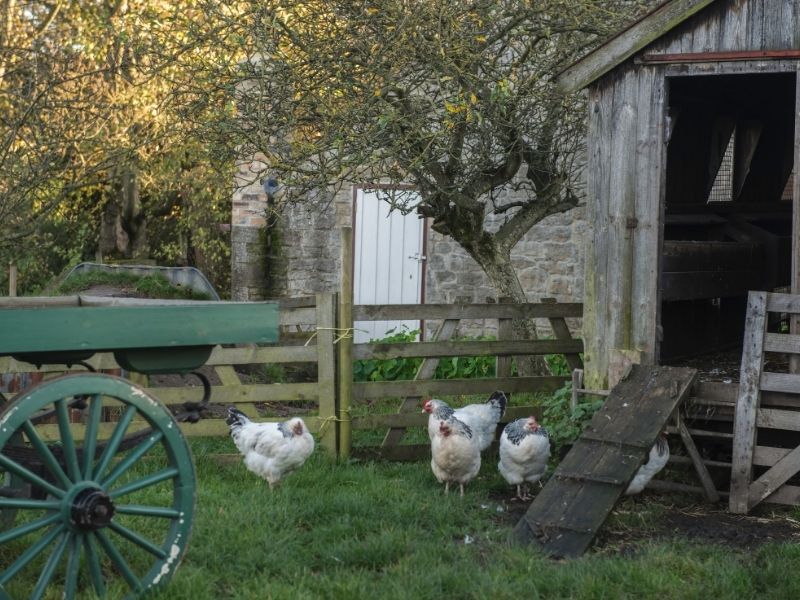
Growing food is very easy to start in your backyard. Start small, then as you gain experience with backyard farming you will be able to expand.
Even a small backyard farm with a garden space and small chicken coop will provide a sustainable food source to help feed your family.

Backyard Farming for Beginners
Moreover, there are no downsides to having a “farm” in your yard, so read on to discover how to get started today on your own backyard farming adventure!
Backyard farming also provides a way for families to bond by spending time together, provides a healthy productive activity and it is so good for the planet.
Plus, it is great fun going out to pick your own fresh tomatoes and lettuce and to pull your own carrots.
Start Small
Start with a small vegetable garden and possibly a couple of laying hens. These laying hens will immediately provide you with protein-rich eggs and free fertilizer for the garden.
As you adjust to growing food and tending to livestock, if you have the space, increase the size of the garden and number of animals in your backyard.

Grow What You Like
Start your backyard farm with only the foods that you and your family like to eat. Start with about 5 of your favorite vegetables and learn how to make them produce abundantly.
For example, tomatoes are one of the favorite garden vegetables to grow. Here is a quick tip, the actual tomato flavor is better when basil is planted nearby so consider planting a few basil plants next to your tomato plants!
Since space may be limited in your backyard farm, there’s no reason to waste valuable ground growing anything that you do not like to eat or that does not serve a purpose.
Livestock Food
The animals that live in your backyard farm will need to eat and the more food you can grow for them the more sustainable your farm will be.
Chickens, rabbits, ducks, turkeys, quails, goats, lambs, honeybees, etc., will thrive on food grown in your garden.

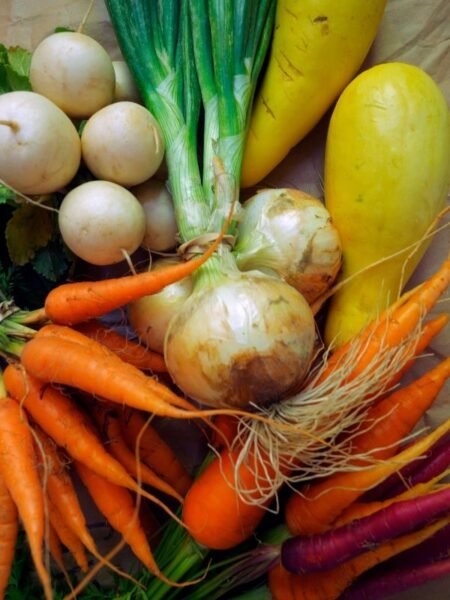
Carrots, radishes, sweet potatoes, pumpkins, turnips, winter squash, sunflowers, legumes, and many other types of vegetation are often grown as livestock food.
These plants are easy to grow and the produce stores well to provide winter food for the animals.
Year-Round Food Production
Year-round food production is the goal of backyard farming and getting one started in your backyard today brings you one step closer to becoming self-sufficient.
If you do not have the space for an in-ground garden then consider starting with a raised planter. Or, even consider growing in grow bags or pouches.
Keeping Chickens
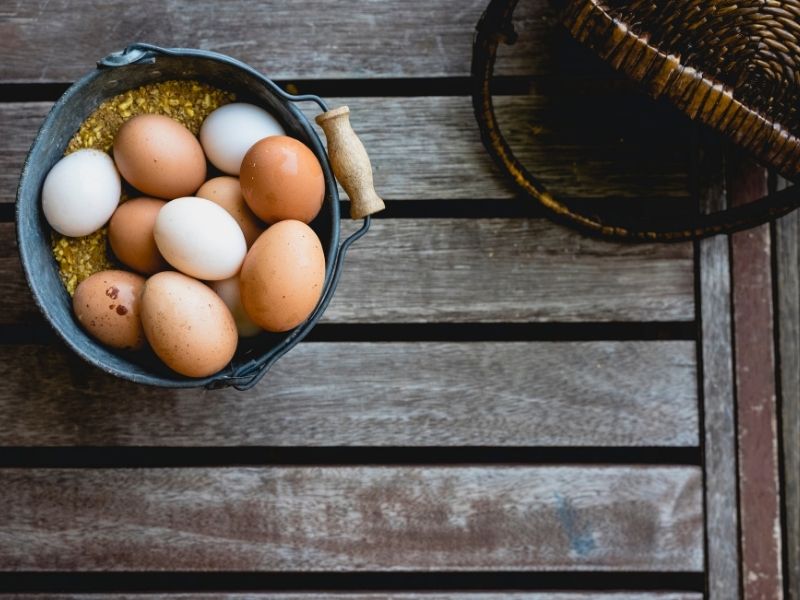
Chickens are a fantastic first step to being more self-sufficient. Even keeping just 3 or 4 laying hens will provide you with fresh eggs but make sure to keep the very best hens!
A simple shelter to keep your hens safe is a must.
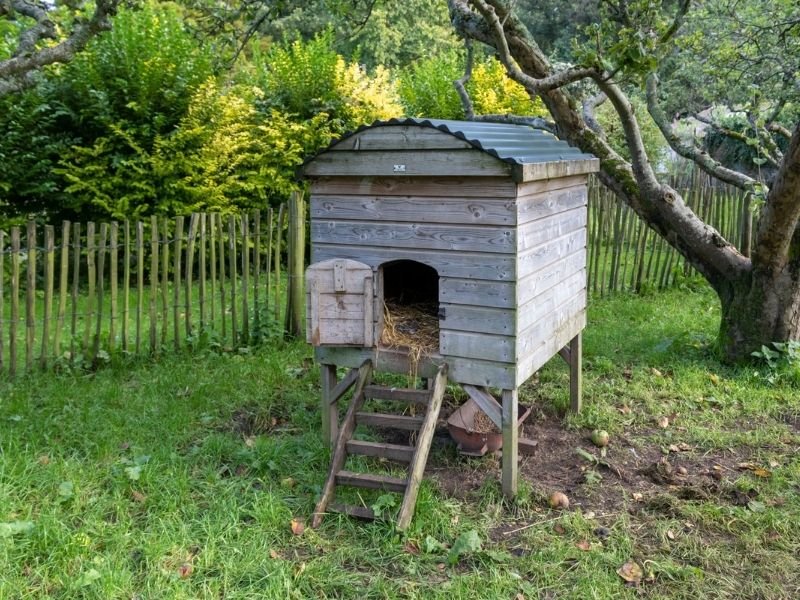
Plus, allowing them to graze freely in a safe grassy spot in your yard is wonderful. Fresh eggs from grazing hens on grass and bugs are a deep orange/yellow color.
They are so full of nutrition, it is just amazing!
Some top breeds to consider are: Australorps, Buff Orpingtons, Bantams (small but productive), and Barred Rocks.
Then, take a look at an overview of the Best Chicken Breeds for Eggs!

Cool Season Crops
Vegetables are divided into cool-season and warm-season crops.
Cool-season crops, cabbage, broccoli, radishes, carrots, lettuce, yellow squash, can be grown twice a year.
Plant them in the early spring and again in the late summer for a fall harvest.
Warm Season Crops
Warm-season crops include tomatoes, peppers, eggplant, corn, and beans. These will only thrive during the heat of summer.
Consider a companion planting system like the Three Sisters!
To maximize space, plant warm-season vegetables in the same space where cool-season plants were grown.
Amend the soil with compost before re-planting.
Garden Soil Extras:
Beginner’s Guide to Composting
Companion Planting
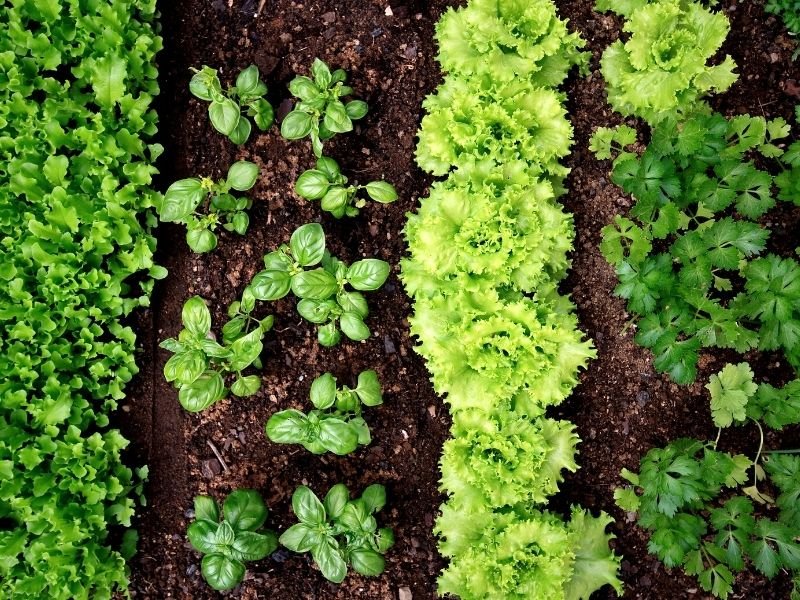
For starters, every garden plant has at least one companion that will enable it to grow and produce better.
Companion planting allow you to grow more plants in a smaller space.
If you choose to create a container garden plant at least 2 different plants in each container as companions.
Broccoli and onions, cucumbers and radishes, cabbage and mint, sunflower and beans, make great companions and provide mutual benefits.
Companion planting works well in raised beds and in-ground gardens too.
You May Also Enjoy:
Vertical Gardening
Maximize growing space (and keep it out of reach of livestock) with vertical gardening. The sunny side of any structure or fence is great for growing food.
Attach planters to the structure or use tiered shelving to grow fruits, vegetables, and herb plants.
Don’t forget about dwarf fruit trees that take up very little ground space in a backyard farm.
Furthermore, fruit trees grown in an espalier method along walls maximizes space and thus increases food production.

In Conclusion: Start Today
Above all, regardless of where you live, you can start backyard farming today. Winter is the right time for starting spring seeds, growing micro-greens, growing sprouts and preparing garden soil.
All other seasons are ideal for growing, harvesting, and preserving food so you can eat better, eat healthier, eat cheaper, and develop a sustainable lifestyle.