
Grow an Indoor Herb Garden that You will Love ♥

Growing your own herbs might seem tough at first, but once you learn how, you’ll enjoy having fresh herbs handy.
Fresh herbs will not only enhance the taste and smell of your meals, but they will also brighten up your home. Start your indoor herb garden today!
How to Grow an Indoor Herb Garden
Discover simple tips and ideas for starting your indoor herb garden. Let’s get started!

The Best Herbs to Grow Indoors
The best herbs to grow in your indoor garden are those that are easy to grow, require minimal care and are regularly used for cooking. Here are a few good options.
Mint
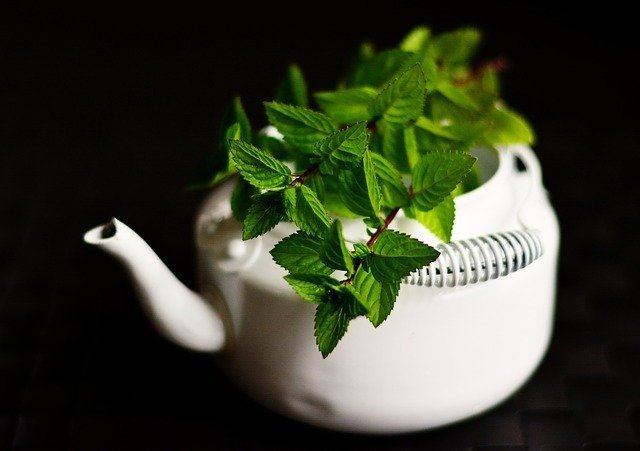
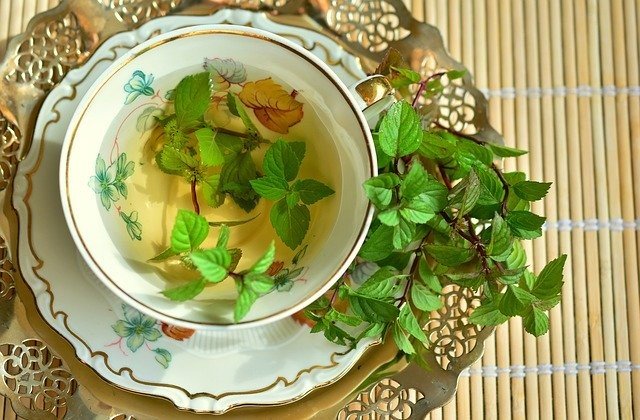
Mint is frequently added to tea, drinks, and sweet desserts. The herb prefers moist soil – not too dry and certainly not drowning in water. They also require moderate sunlight so keep them in partially shaded areas. Fresh Mint Plants.
Basil
Basil is full of flavor and is a great addition to salads, sauces, and main dishes as well. It especially goes well with tomato-based recipes. This makes basil one of the most commonly used herbs. It requires ample sunlight, little water with good drainage and space to accommodate its flourishing root system. Fresh Basil Plants.
Thyme
Thyme is one of the most adaptable herbs and can easily be grown in pots as small as 4 inches. It has a wonderful flavor, whether consumed fresh or dry. It’s also quick to grow and you’ll keep getting leaves from the same plant for a couple of years. It requires a good amount of sunlight and little water to thrive. Fresh Thyme Plant is part of this assortment.
Chives
Chives are a wonderful addition to any indoor herb garden. They are easy to grow in any sunny window. Chives love a moist but not soggy soil. They need at least 6 hours of sunlight to grow their best! Live Chive Plants shipped to you!
This slightly onion-flavored herb can be snipped with scissors to add as toppings for baked potatoes or salads. Plus, they are marvelous when lightly sauteed with avocado oil and fresh vegetables like zucchini, onion, and snow peas.
Parsley
Parsley is one of those all-purpose-type herbs. It can be used fresh, as a garnish, and dried in soups, egg dishes, potato salads, boiled potatoes, rice, pilaf, and more. This easy-growing herb makes a beautiful houseplant with its frilly-edged leaves. A Fresh Parsley Plant is part of this assortment.

Additional Herbs
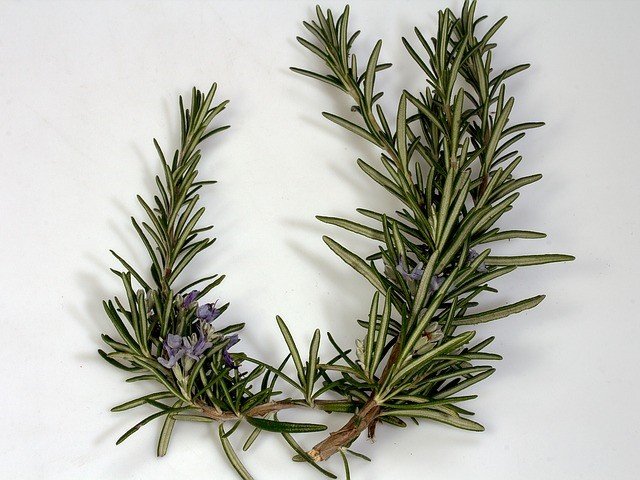
Other herbs that you can easily include in your indoor garden include oregano, rosemary, cilantro, miniature dill, and sage. Here are some nice assortments of fresh, live herb plants to get you started with your own indoor herb garden!
Pro Tip
Start small…do not overwhelm yourself with taking on too many herbs at one time. Take your time with your new herb garden so you can get acquainted with best growing practices as well as each herb’s culinary characteristics.
If you are an indoor plant lover, then keeping herb plants will be easy, but if you are just starting out with growing indoor plants, try starting with 3 to 4 plants for a good beginning. Here is a nice beginner’s herb kit!
You May Also Enjoy: More on Growing Herbs in Your Home Garden
Where to Grow Herbs
When you think about indoor herb garden ideas, one of the first things that may come to your mind is what location you should choose to start your garden.
The right location is one where your plants are able to receive plenty of sunlight and maybe even some shade. Along with that, there should be adequate room for the plants to breathe.
Your kitchen window can be a good spot. Generally, herbs require about five to six hours of sunlight per day. Keep rotating the plants during the day so that all the leaves get light.
Pot Requirements
Whether you choose to start your herb garden using seeds or planters, you will need a pot or container to grow them. Indoor herb gardens require well-draining pots, so be sure to choose a pot that allows good drainage.
You can grow different types of herbs in the same pot as long as the care requirements for those herbs are similar.
Clay pots work best in cooler climates as they dry out faster, whereas ceramic or glazed containers are better suited for warmer temperatures as they are better at retaining moisture and can prevent your herbs from drying out.
Water and Light Needs for Your Herbs
It’s essential to give your herbs the right amount of light. A sunny windowsill can be a perfect spot, but be cautious not to let them get too much direct sunlight, as it can cause overheating.
When it comes to watering indoor herbs, you don’t need to do it every day. A light sprinkle of water 3 to 4 times a week is usually enough. Just make sure the soil has a chance to soak up the water and drain any extra. If water sits in the pot, it could lead to root rot, which isn’t good for your plants.
Keep an eye on your herbs; they’ll let you know if they’re not getting enough or too much water. If they’re thirsty, you might notice browning leaves and wilting, along with parched soil. In that case, place the pots in a saucer of water until the soil is nicely moistened. Once they’re hydrated, move them to a cooler spot to prevent further drying out. Happy gardening!
What to Do If Your Herbs Are Overwatered
Similarly, overwatered herbs have sick-looking, brown or yellow leaves and excessively saturated soil. When this happens, it’s best to repot the herb in fresh soil. However, if the damage is too extensive, you may have to discard the herb, especially if there is an offensive odor to the soil.
If this happens, you can try to salvage your herb plant by removing it from the pots. Shake off any loose dirt and then rinse the roots in fresh water. The idea is to remove any bacteria that has been associated with the rotting roots.
Place the cleaned roots in a container of fresh water. Clean the pot well and allow it to air dry. Terra cotta pots can be heated for 20 minutes at 250 degrees. Do not do this with plastic pots.
It is highly advisable to simply start with a fresh pot if possible, but do what is best for your situation.
You may also clean the contaminated pot with a Clorox bleach solution of 1 tablespoon to 1/2 gallon of clean water. Soak the old pot in this solution for at least 5 minutes, then rinse with fresh water.
Repot your herb plant in a new pot and new soil… and see what happens! If you really love plants, then this method is definitely worth a try!
As far as the light requirements are concerned, you should place the herbs near a south- or east-facing window so they can receive plenty of sunlight. If that’s not possible, you will have to get grow lights for your garden.

The Final Word on How to Grow an Indoor Herb Garden
These were some helpful indoor herb garden tips for everyone to enjoy no matter where you live. Whether you like to season your dishes with fresh herbs or give your morning tea a flavorful twist, having your very own indoor herb garden can come in really handy!


