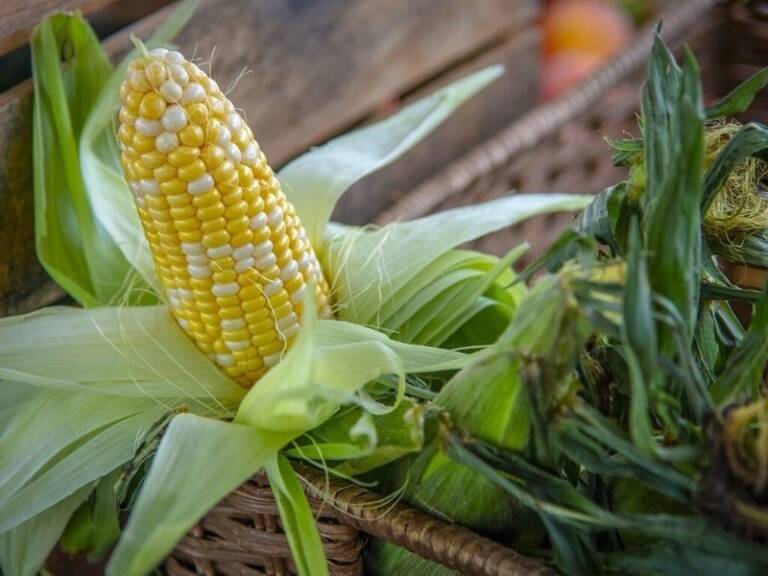
Planning & Creating a Garden for Beginners

Gardening is a fun and rewarding project that anyone can do regardless of skill level or amount of outdoor space.
When thinking about planning a garden, make sure to consider that one container-grown tomato plant can be abundantly productive or not productive at all.
The same is true for all garden types, it’s all about the planning process!
Planning a Garden: First Step
Planning a garden is the first step towards being successful and enjoying an abundant harvest of fresh food. These tips will help you plan right and enjoy the fruits (and vegetables) of your labor.

Select the Right Location
The right garden location is vital for healthy plant growth. Select a location that receives at least 6 hours of direct sun every day.
Avoid a location that is prone to flooding during heavy rainfall and avoid hilltops that tend to remain dry.
Observe the location for a day or two so you can see how the sun shines on it at different times of the day. This will help you place garden plants in the right location at planting time.
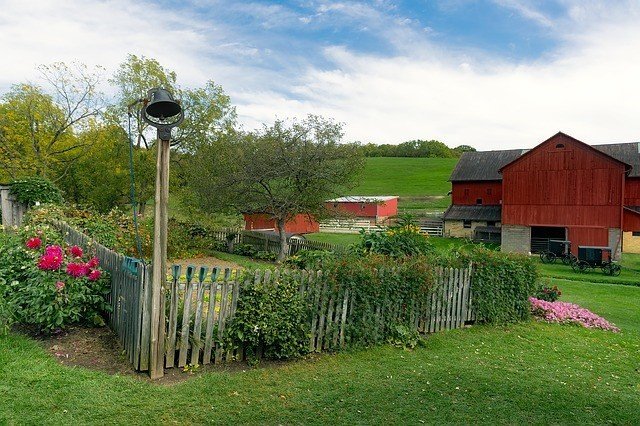
Create a garden close to your home and in a location that you will be able to see without going out of your way. A garden that can be seen will be more productive because you will be more likely to spend time in it.
Close to the Source
Gardens need lots of water during the growing season and being close to a water source will make your work easier.
Place the garden near a rain barrel, water spigot, or whatever other means of watering you plan to use. If you are using a pond or stream to water out of, consider a small electric garden pump for all your watering needs.
Having your new garden plot location near to where you store garden tools will also make doing garden chores more efficient. The fewer steps you have to make getting to the garden, water, tools, etc., the better care you will take of the plants.
If you loved this information, you’ll love these, too:

Feed the Soil: Super Important in Planning a Garden
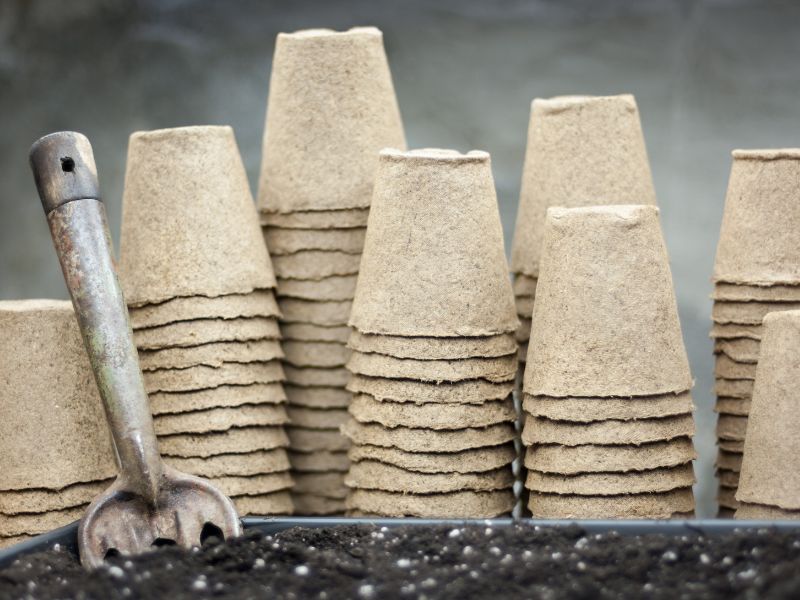
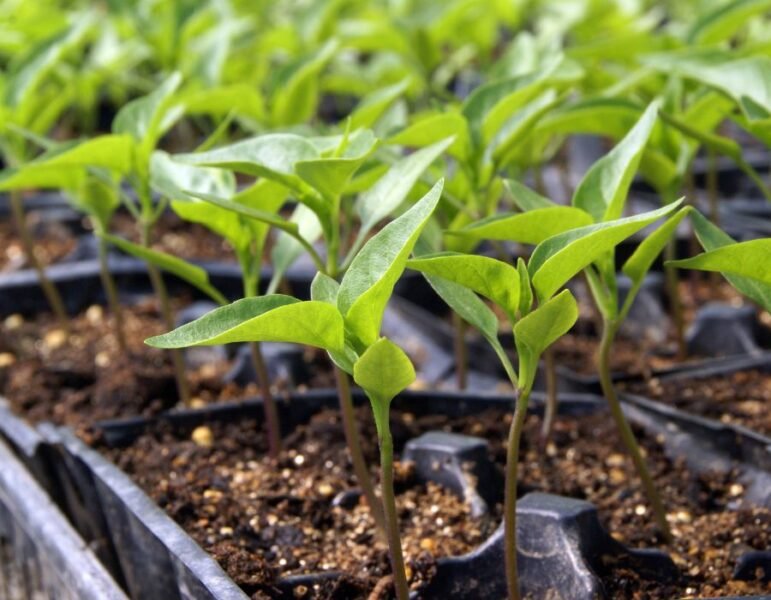
The soil feeds the garden plants and it must be fertile to support plant life. The soil also needs to be loose to promote good water drainage and air circulation.
In early spring as soon as the soil is workable, break up the patch of ground you have chosen with a roto-tiller, turning fork, or another method. The new ground will need to be broken up to 8-10 inches deep.
Apply 4-inches of compost on top of soil and lightly work it into the soil. Compost is decomposed organic matter and it will feed the soil and improve the soil structure for optimum plant growth.
Let the garden soil rest for a few days before planting. Use this time to decide what you want to grow in the garden. You might want to consider planting by the phases of the moon to help you schedule your above ground and below ground vegetable plants.
No matter what you thoughts are on using the phases of the moon to plant your seeds, this type of schedule really helps space out the actual planting.
Garden Layout

Some plants need full sun, some plants grow better if they have a little shade in the afternoon. if you have observed your garden site then you will know the best locations for each plant variety.
Select plants that are hardy in your growing region for best results. The nation is divided into growing zones and given numbers, find your state and the corresponding zone numbers and look for plants that are hardy in the growing zones.
Making a sketch of your garden and selected plants so you can decide the best location for each plant before placing it into the soil. It is super important to keep a garden journal; start early on to chronicle all your hard work……you will be so thrilled next year to see how far you have come!


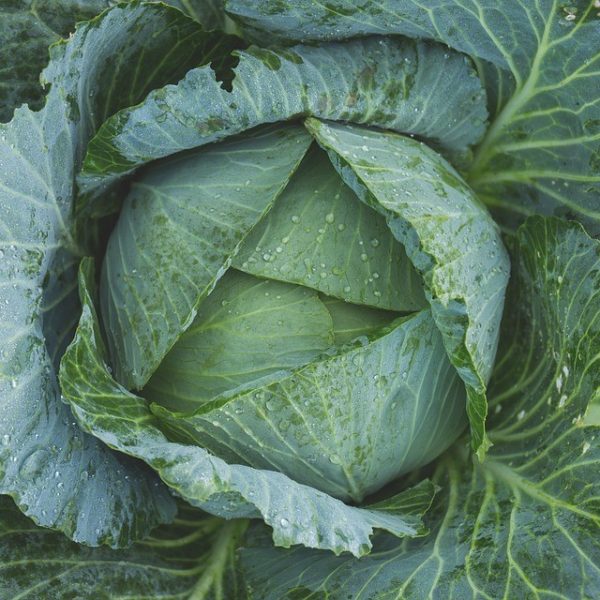
Don’t plant low growing vegetables, like cabbage, in a spot that will be shaded by taller growing vegetables. Summer squash will benefit from afternoon shade and bean vines can grow up corn stalks for support and allow you to plant two vegetables in one space.
Protect your KNEES…..Grab Your Iron Sides Knee Sleeves TODAY!
If you love videos, try this Teachable Series Gardening Course: Vegetable Gardening Success
Choosing Vegetable Varieties: Complete Growing Instructions
- Carrots
- Lettuces
- Peas
- Radishes
- Peppers
- Spinach
- Green Beans
- Garlic
- Cabbage
- Broccoli
- Cauliflower
- Tomatoes
- Corn
- Potatoes
- Kale
- Chard
- Onions
- Pumpkins
- Zucchini
- Herbs
- Sunflowers
Planting Time
Seeds and plants must have warm soil and air temperatures to grow, so don’t be in a hurry to plant. Wait until all frost danger has passed in the spring before planting.
Food plants are divided into two groups – cool season and warm season. Cool-season plants grow and produce best in early spring and late fall when temperatures are cool.
Cabbage, lettuce, and broccoli are examples of cool-season vegetables. Two crops a year, one in the spring and one in the fall, of cool-season vegetables can be grown in a home garden.
Warm-season vegetables will only grow when temperatures have warmed in late spring and will thrive during the heat of summer.
Tomatoes, corn, and cucumbers are warm-season vegetables. They really need the heat and will not grow in cool weather. If you live in cold zones with short growing seasons, make sure to select the shortest maturity dates for each vegetable variety.
Also, consider starting your seeds indoors as well as growing your frost sensitive plants in a cold frame and even take a look at greenhouse growing for beginners.
Season extenders can add weeks to your growing season. Additional days and weeks are a huge asset in letting your vegetables ripen on the vine!
So, watching planting times and temperatures can insure that your garden grows well.
It’s a Wrap…….
So, grow what you like to eat and have fun in your garden. Gardening is a continual learning experience and provides a wealth of benefits for a minimal amount of effort.