Know When to Start Your Garden Seeds Indoors & Out
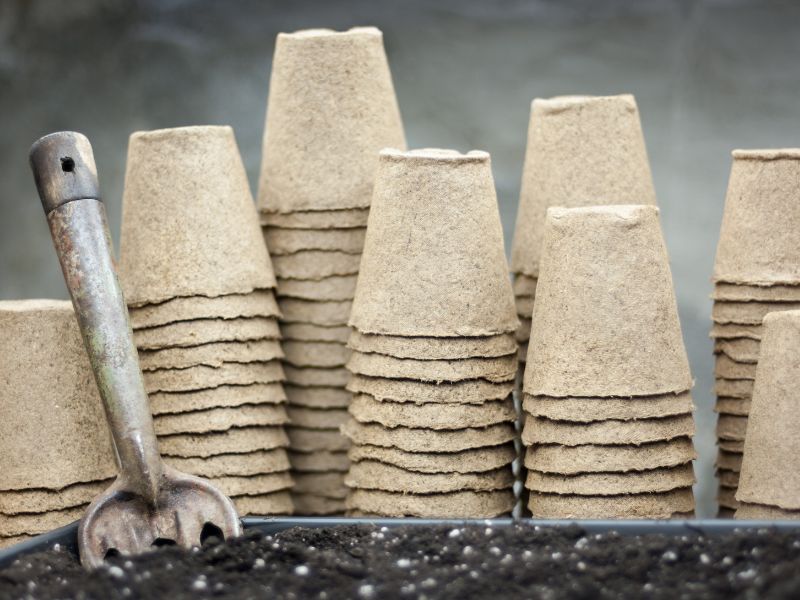
Trying to decide on the right time to start garden seeds indoors or outdoors can be confusing. Your gardening friends may tell you one date, gardening experts may tell you another date.
And, the USDA planting zone map may tell you yet another date that is best to plant.
WHEN to START YOUR GARDEN SEEDS
So, who is right and who should you listen to? All of them and none of them. Each one may be correct for their own area but there are many variables that should be considered before you start your garden seeds.
With some simple steps, the best way to get a head start is by starting early.
The Different USDA Zones
This is a map of the United States that creates zones from 1-13 that gardeners can use to help determine when to plant and what will grow best in their particular zone.
Find more in-depth information on your USDA Planting Zone Numbers for helpful tips on planting times.
Zone 1 is the northern-most zone and has the coldest temperatures and the latest spring frost dates. Zone 13b is the southern-most zone with year-round warm temperatures and no frost.
The tropical plants that thrive in USDA growing zone 13b will not survive in USDA growing zone 1. Each of these main 13 zones are delineated by a 10-degree Fahrenheit temperature difference.
Sub-Zones within USDA Growing Zones
There are also ‘a’ and ‘b’ sub-zones within each of the 13 main zones that are delineated by a 5-degree Fahrenheit temperature difference. A small 5-degree change can affect the soil temperature and affect seed germination.
This explains why someone who lives 6 miles away from you in the same growing zone can plant earlier and harvest earlier than you. For example, the state of Tennessee has growing zones 6, 6a, 6b, 7, 7a, 7b, 8, and 8a.
The differences are contributed to the geographic area of the state, which includes mountains, valleys, highlands, farmlands, and plains.
There is not a specific date that is good time to sow seeds or planting an outdoor garden across the entire state. Each zone must factor in the last predicted frost date for spring and then determine the best time for planting.
It is a super helpful practice to always look at the back of the seed packet for up-to-date growing information.


favorite seed trays with lids

full spectrum grow light


Favorite small watering can
Soil Temperature and Germination
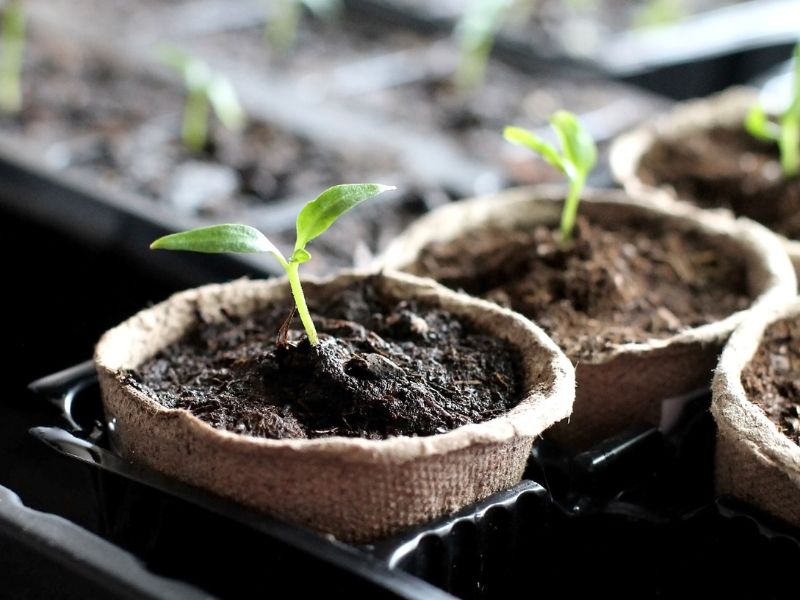
Soil temperature is an essential aspect of successful seed germination. Seeds need specific soil temperatures to activate enzymes that trigger the process of sprouting. Without proper soil temperature, seeds will not germinate and instead will rot in the soil. In this article, we’ll explore how heat mats, growing mediums, and seed-starting mixes affect soil temperature and seed germination. So, if your room temperature is not at least 65 degrees, then consider adding in a heat mat.
Heat mats are a popular tool for maintaining optimal soil temperature during seed germination. These mats work well with seed trays by providing consistent warmth to the root zone and encourage faster germination rates.
When using a heat mat, it’s essential to monitor the temperature carefully as too much heat can damage your seeds or cause them to dry out too quickly. It is also a very good idea that your cell packs or individual pots have the drainage holes to keep proper soil moisture.
Therefore, it’s recommended that you use a thermostat with your heat mat to ensure that it maintains a constant temperature. And, to check soil moisture daily.
The type of growing medium, potting mix or seed-starting mix you choose can also impact soil temperature during seed germination.
Proper Lighting for Good Seed Germination
With indoor seed germination, proper lighting is an essential component to ensure healthy growth and development of seedlings. If you do not have a sunny window with enough room for seed trays, then artificial lights will work.
Plant lights are specifically designed for indoor gardening and provide optimal spectral output that mimics natural sunlight. They come in various types such as fluorescent, LED, and HID lights. Fluorescent lights are commonly used due to their affordability and low heat output, making them safe for use around delicate seedlings. LED lights are more energy-efficient and have a longer lifespan compared to other plant light types.
The amount of light required by indoor seedlings varies depending on the type of plant species being grown. So, if you have a south-facing window, you may be able to provide enough light for your germinating seeds.
General Rule: if you do not have enough natural sunlight, then artificial lights are a must, as your seedlings will grow too fast and too tall and will become what is called, “leggy”. Leggy seedlings are weak and do not develop into good strong plants without a lot of extra care.
you may also enjoy:
- GARDEN SEED STARTING IDEAS: 10 Ways You Must Try
- Best Potting Soil for Indoor Herbs: Top 5 Brands
- Growing a Victory Garden at Home in Containers & Pots
- Our Experience with High Mowing Organic Seeds ~ Top Review
FROST DATES
The last spring frost dates are predicted for each growing zone in the country and can be found online. Also, make sure to check out the Farmer’s Almanac, and planting calendars as these will have helpful tips for you to consider.
Finding your last frost date for your specific area will help determine the best dates for starting garden seeds indoors or outdoors.
Find Your Frost Dates Here by Zip Code


a Favorite vintage garden sign


gardening and chickens

the best ever garden saying
Determine Indoor & Outdoor Planting Dates
As a rule of thumb, count backwards 6-8 weeks from the last predicted frost date for your area; then start your garden seeds indoors within that time frame. When planting seeds or seedlings directly into the soil outdoors, wait a few days after the last predicted frost date has passed.
Note these are just predicted dates. There is always a possibility of a late frost that can damage crops unless the plants are protected. So, it is important to watch your weather forecasts as well to help protect your young seedlings and plants from frost damage. A couple of weeks by be must the right amount of time to save your tender seedlings from danger of frost.
HARDENING OFF SEEDLINGS
Harden off seedlings and young plants that were grown indoors for a week in a sheltered outdoor location before planting in the garden soil outdoors. Be prepared with some type of covering for tender plants just in case of an unexpected frost in the forecast.
Newspaper, cloches, milk jugs, or similar items will protect garden plants from frost.

FROST POCKETS
A frost pocket is a low-lying area where cold air remains longer than the surrounding areas. Frost will gather in these pockets days after the surrounding areas have been frost-free. Moisture and fog tend to hang around in these low-lying frost pockets, too.
It’s possible to have different growing zones and micro-climates on less than an acre of land. These different zones will impact how plants grow so be aware of the topography of your land to determine the best planting times.
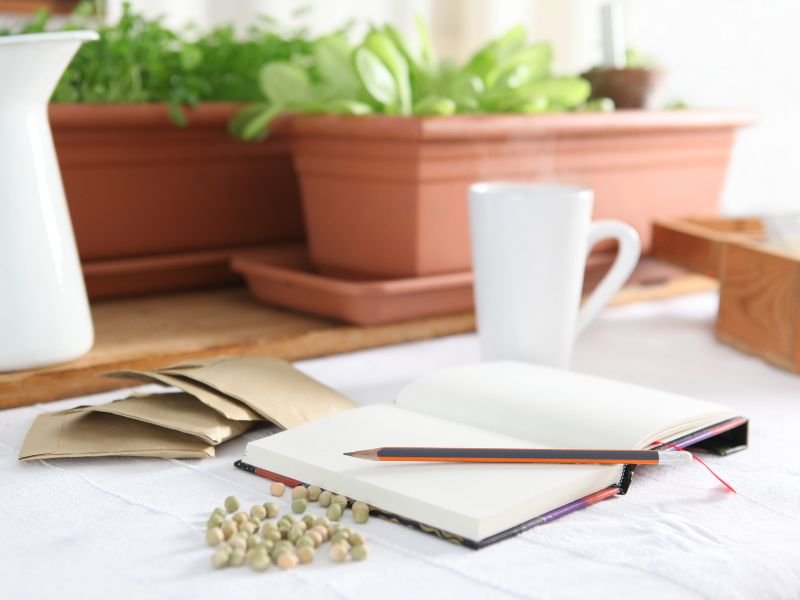
Use the varying topography to your advantage by matching the right plants with the right growing location. And, make sure to jot down all your notes as keeping a garden journal is super handy for seasonal dates, tips and ideas from things you learned last year.
This is especially helpful for new gardeners so you can remember everything you learned this year to use next year!
cool season crops
Cool-season plants, like kale and cabbage, will produce longer in the spring; they do well when planted in a frost pocket that remains cooler later into the season.
top cool season crops:
- Grow Broccoli | Growing Broccoli In Your Garden
- HOW to GROW CABBAGE | How to Grow Series
- GROWING CAULIFLOWER | How to Grow Series
- How to Grow Kale ~ Your Garden’s Ultimate Super Hero
- HOW TO GROW PEAS | How to Grow Series
warm season crops
Warm-season plants, like peppers and tomatoes, will thrive on the west side of a ridge, shed, fence or barn wall; as this is where the afternoon sun shines and soil remains warm and dry.
top warm season crops:
- HOW to GROW TOMATOES | How to Grow Series
- How To Grow Peppers in Your Garden & Containers
- How to Grow Corn In Your Garden
- How To Grow Green Beans ~ In Your Garden
- HOW to GROW ZUCCHINI | In Your Home Garden
IN CONCLUSION:
Starting your garden seeds is like starting a race—you want to get the best start possible.
If you wait too long to start your seeds, it’s like you’re at the starting line of a race with everyone else already having crossed the finish line!
But, as you can see they are several things to watch in order to properly start seeds so they grow into healthy plants!