
16+ Methods for Food Preservation: Old and New
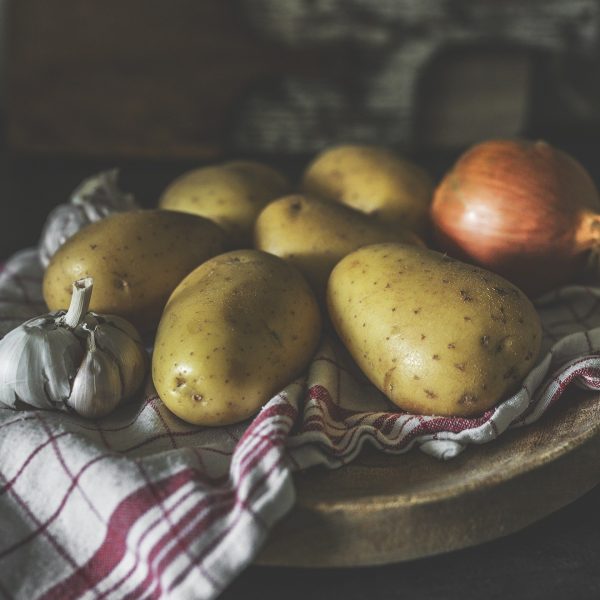
Having a well-stocked pantry and freezer filled with food brings a great sense of comfort. This guide explores both traditional and contemporary techniques for food preservation.
You will discover various strategies for storing and maintaining food items, including canning, drying, freezing, pickling, salting, and smoking.
Continue reading to uncover over 16 different methods for preserving food for your household!
WAYS TO PRESERVE FOOD
Take advantage and learn different methods for storing extra food from the garden or grocery……Having a supply of nutritious food on hand for your family is a must!!!
Food is an essential element for every life form and vital for human health ……Food production, supply, transport, and food preservation have always been at the top of the list since ancient times.
We never know when we might need an extra supply, so make sure to learn about various food preservation techniques and stock up when you can.
Here are 16+ different ways to preserve food. I have done the research for you and have put together a list of food preservation methods from some of the best sources.
THE DIFFERENT TECHNIQUES INCLUDE:
- Canning
- Freezing Vegetables
- Freezing Fruits & Berries
- Dehydrating Fruits & Vegetables
- Root Cellars
- Winter Storage for Baby Garden Carrots in the Refrigerator
- Wintering Over Hardy Garden Crops
- Pickling
- Making Jams & Jellies
- Salting Meats
- Smoking Meats
- Fermentation and Fermenting
- Milk Kefir
- Water Kefir
- Jerky
- Breakfast Sausage
Special Note:
- If you have a passion for vintage methods of food preservation, such as ways to preserve foods without electricity, you must read: Preserving Food: Without Canning or Freezing
- Also, if it is of interest, take a look at the USDA Historical Food Preservation Publication!
1. Canning is a wonderful way to preserve food:

IMAGE CREDIT & TUTORIAL FOUND AT A MODERN HOMESTEAD
No one wants to see their beautiful fresh produce lost to food spoilage. Canning is the most common method of preserving your summer bounty! Fruits, jams, and jellies can all be successfully home processed and canned.
Most fruits and tomatoes can be processed with the water bath method of canning. Just make sure to follow all the recommended canning procedures for your climate and area to maintain food quality.
Altitude plays a huge role in canning safety due to the boiling temperature of water at various elevations. THIS IS VITALLY IMPORTANT.
Vegetables and meats must undergo food processing in a pressure canner. These are low-acid foods, and pressure canning is a must.
Pressure canning gauges can be pressure tested at your local county extension office to make sure they are gauged correctly.
The Extension Office will have all the latest food safety requirements for your geographic area. They will help you with questions like how long does home-canned food last and the best to store your canned goods.
Also, make sure to check out the information on food preservation from the USDA website.
Take a look at these canning essentials:
PRESSURE CANNER WATER BATH CANNER CANNING ESSENTIALS ALL NEW BALL CANNING BOOK COMPLETE WATER BATH CANNING SET
⇒Related Post from my friend, Victoria, at A Modern Homestead…..The Best Sweet Pickle Recipe!
2. Freezing vegetables is so convenient + freezing helps retain valuable nutrients.

TUTORIAL FOUND AT TREE HUGGER
Freezing is a simple but effective way to preserve food. This home food preservation method is quick and easy.
Just remember to check your freezing guide, as most vegetables will need to be quickly blanched to stop the enzyme action prior to freezing.
Blanching helps the vegetables retain crispness and vibrant color even when frozen. Freezing is one of the simplest ways to start your journey in food preservation.
There is information circulating on freezing vegetables without proper blanching. I tried this with my garden broccoli.
I found the unblanched broccoli to be dull in color and tough, so I highly recommend you blanch it when it is recommended.
Here is a helpful resource: PRESERVING THE HARVEST
3. Freezing Fruits and Berries is a super quick way to save the summer harvest for year round enjoyment!

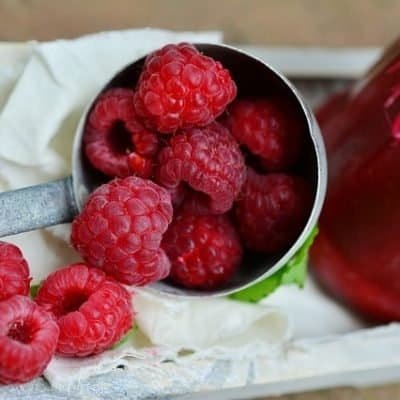
Now, fruits on the other hand, do not typically need to be blanched. I freeze all my tomatoes, strawberries, raspberries, blueberries, blackberries, as is, without blanching.
⇒Related Posts:
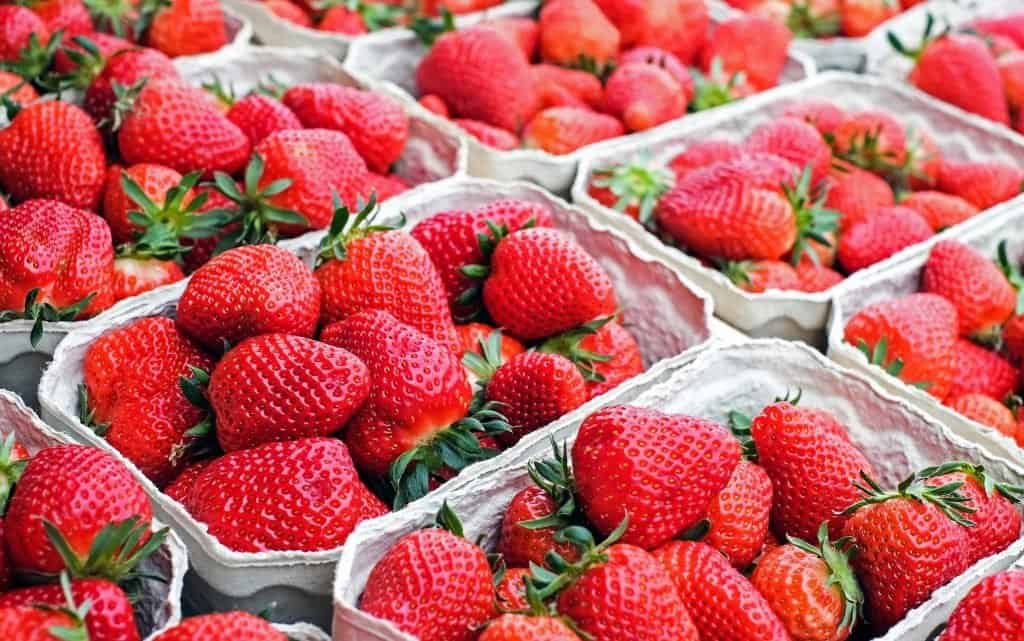

Freezing Blueberries ~ The Easy Way
Freezing Raspberries for the Winter
Learn about freezing peaches:

TUTORIAL FOUND AT BUSY CREATING MEMORIES
4. Dehydrating Fruits & vegetables is an age old art for preserving food. Take a look at the marvelous ideas here:

TUTORIAL FOUND AT BACK PACKING CHEF
Dehydrating different types of food is relatively easy and very safe. I have successfully dehydrated apples, bananas, strawberries, cucumbers, and tomatoes.
You should consider investing in a good food dehydrator, as dehydrated food retains up to 98% of its nutritional value.
This is the very best means of preserving food value. Dehydrated food can be stored in vacuum-sealed jars and has a very long shelf life. Learn about Dehydrating Cucumbers.
FOOD DEHYDRATOR DEHYDRATING FOOD: A BEGINNER’S GUIDE VACUUM JAR SEALER SET
5. Root Cellars are making a huge comeback; learn about storing potatoes, pumpkins, squash and more:

TUTORIAL FOUND AT HOBBY FARMS
Storing vegetables in a root cellar is one of the traditional methods of food preservation. It is a natural process that allows long-term storage and is so convenient.
From pumpkins and squash to potatoes, carrots, onions, and garlic… Root cellaring is the way to go to prevent spoilage of food!!!
ROOT CELLARING: Natural Cold Storage of Fruits & Vegetables THE COMPLETE ROOT CELLAR BOOK: Building Plans, Uses and 100 Recipes
RELATED POST:
Pack Large Storage Carrots in Peat Moss, Sawdust or Damp River Sand:

IMAGE CREDIT & TUTORIAL FOUND AT ORIGINAL HOMESTEADING
Storing carrots is for people that live in harsher climates where carrots cannot be left in the garden to winter over.
We live in Wyoming at approximately 7000 feet and must pull all our garden carrots and potatoes in September or October.
If your frost line goes down more than 1 inch, then nothing is safe to be left in the garden, so you should be careful about how you store your garden carrots.
6. Simply store carrots in the Refrigerator all winter long:

IMAGE CREDIT & TUTORIAL FOUND AT ORIGINAL HOMESTEADING
I always end up with lots of little fingerlings when I do not thin them at the appropriate times.
We have so many that I never really knew what to do with them…that is, until last fall. If you do not have extra refrigerator space, then try canning, freezing, or dehydrating your extra carrots.
7. Storing root vegetables in the ground is called “wintering over”…..learn how here:

IMAGE CREDIT TO ORIGINAL HOMESTEADING
TUTORIAL FOUND AT RODALES ORGANIC LIFE
Storing your root crops and hardier vegetables in the ground can be such a wonderful convenience and is an obvious preservation method if you live in an area where the frost line will not affect them.
Root crops such as potatoes, carrots, rutabagas, turnips, parsnips, and then cabbages, kale, spinach, and some leaf lettuces can all stay in the ground with proper protection.
Consider this as one of the great ways to preserve food.
8. Pickling is a standard from of food storage:

TUTORIAL FOUND AT TASTY-YUMMIES
So many foods can be pickled. Cucumbers come to mind as one of the most prized pickled foods. They are actually the pickled food called PICKLES!!!
Make sure to take a look at how to pickle any vegetable! Discover more foods that can be pickled.
JOY OF PICKLING RECIPE BOOK COMPLETE BOOK of PICKLING PICKLING CANNER JARS
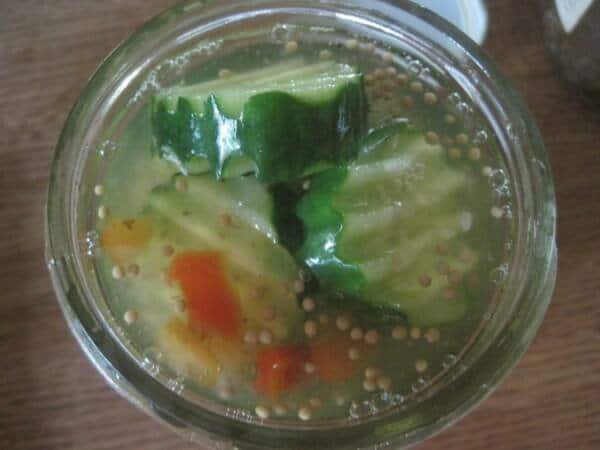
Related Post: Quick Refrigerator Pickles
9. Jams and Jellies are a perfect way to preserve the summer abundance of berries & fruit!

TUTORIAL FOUND AT PRETTY PRACTICAL PANTRY
Jams and jellies are such a treat during the long winter months. This is a great method of food preservation.
The bright, fresh colors and sweet taste are the best way to brighten any biscuit, some type of hardtack cracker, roll, or bread!!!
BETTER HOMES AND GARDENS JAMS AND JELLIES
10. Salting Food is one of the oldest methods of food preservation with a modern application today!

TUTORIAL FOUND AT MOM PREPARES
Learn about the ancient way of preserving meats. Salt preserves so many foods:
11. Smoking is another age old practice of preserving meat.

TUTORIAL FOUND AT MY CASUAL HOMESTEAD
Smoked ham, salmon, and sausages come to mind when we think about smoking meats. Here is an interesting method of preserving foods that allows you to enhance foods with different flavors depending on the type of wood used.
This is a perfect example of how to preserve foods without refrigeration.
MEAT SMOKING AND SMOKEHOUSE DESIGN
12. Fermenting Foods is another age old practice for preserving foods:

TUTORIAL FOUND AT GNOWFGLINS
Probiotic Rich fermented foods have been around for centuries and were one of the traditional ways of preserving foods in the past. There is ancient wisdom in these gut-friendly foods.
These foods used to be stored in stoneware crocks, but there are many new modern ways of fermenting food that are easier while still retaining the probiotic benefits.
Learn more about them here.
EASY FERMENTER WIDE MOUTH LID KIT
Fermented Vegetables: Creative Recipes for Fermenting 64 Vegetables & Herb
FERMENTING GLASS WEIGHTS FOR WIDE MOUTH
13. Learn to Make Milk Kefir using live kefir grains for a Probiotic Rich Drink

IMAGE CREDIT & TUTORIAL FOUND AT ORIGINAL HOMESTEADING
You may be wondering what exactly is kefir?
Milk kefir is a wonder drink; it is full of healthy probiotics that aid in digestion as well as aid in building a healthy immune system.
Fermentation is one of the most beneficial and healthy ways to preserve foods.
Many people who are sensitive to dairy products or are lactose intolerant can drink milk kefir because the bacteria in the kefir have predigested the lactose in the milk.
Take a closer look and learn to make homemade milk kefir… These healthy bacteria also prevent unhealthy bacteria from growing in the milk.
MILK KEFIR KIT MILK KEFIR LIVE GRAINS
14. Water Kefir: a Non-Dairy Probiotic Rich Drink

IMAGE CREDIT & TUTORIAL FOUND AT ORIGINAL HOMESTEADING
Probiotics aid in digestive health as well as in immune system health. Water kefir is so simple to make and so good for you.
There are just three ingredients—water, sugar, and kefir grains—to get you started on your way to making this delicious drink.
The first thing you must do is get your kefir grains; these grains are not like your typical wheat, oats, or barley grains.
WATER KEFIR LIVE GRAINS FOR STARTER KOMBUCHA LIVE STARTER CULTURE
MILD YOGURT LIVE CULTURE STARTER SOUR CREAM CULTURE STARTER
15. Homemade Jerky from Wild Game or Beef

IMAGE CREDIT & TUTORIAL FOUND AT ORIGINAL HOMESTEADING
Learn How to Make Homemade Jerky
16. Homemade Sausage using your own meat!

IMAGE CREDIT & TUTORIAL FOUND AT ORIGINAL HOMESTEADING
Easy Recipe for Low Fat Homemade Breakfast Sausage
17. Homemade Dog Treats
Here is the extra idea for food storage. Homemade Dog Biscuits.…or you can make treats for your horses, goats, cats, chickens, etc……
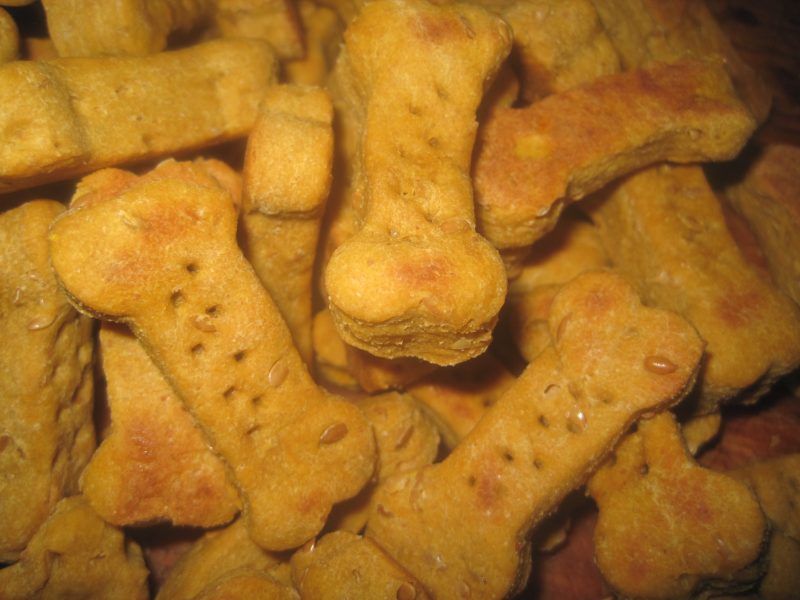
As you discover the interesting and beneficial methods of food preservation, consider how you can add such items to your pantry and diet!!!
For further reading, make sure to review the following information on home food preservation:
- National Center for Home Food Processing and Preservation
- The National Center for Home Food Preservation
Please leave a comment below with other types & methods of food preservation that you have used.




Great post, thank you for sharing it on the simple Homestead Blog Hop! As one of the co-hosts I will be featuring your post this Thursday!
Thanks, Nancy!!!
I also make vinegars. Bottling is also another form of preserving them. I’ve tried a couple of times, but that have been historically normal.